

Looking to keep your Mitsubishi Pajero running smoothly or maybe give it a little upgrade? Finding the right Mitsubishi Pajero parts for sale can sometimes feel like a treasure hunt. Whether you’re dealing with worn-out brakes, an engine that’s seen better days, or you just want to add some cool new lights, this guide breaks down the common parts you might need. Let’s get your Pajero back in top shape without breaking the bank.
Key Takeaways
- Regularly check and replace brake parts like pads and rotors for safety.
- Engine components such as belts, hoses, and pumps are vital for performance.
- Suspension parts, including shocks and bushings, affect ride comfort and handling.
- Electrical parts like batteries and alternators keep your Pajero’s systems powered.
- Consider aftermarket parts for performance upgrades and aesthetic enhancements.
1. Brake Parts
When it comes to keeping your Mitsubishi Pajero safe and performing its best, the brake system is absolutely key. It’s not just about stopping; it’s about reliable stopping, every single time. The main players here are your brake pads, rotors, calipers, brake lines, and of course, the brake fluid. Pads press against the rotors, which are attached to your wheels, to slow you down. The lines connect everything, and the fluid makes sure the force is spread out evenly. Over time, these parts just wear out, and you’ll need to swap them out to keep things safe.
Brake Pads
Brake pads are the friction material that gets squeezed against the rotors. They’re designed to wear down, which is why they need regular checking and eventual replacement. Worn pads can lead to longer stopping distances and damage to your rotors.
Brake Rotors
Rotors are the metal discs that your brake pads clamp onto. They get hot from friction and can warp or wear down over time. If you notice a grinding sound or a pulsing sensation when you brake, your rotors might be the issue.
Brake Calipers
Calipers are like the clamps that hold the brake pads and press them against the rotors. If a caliper seizes up or leaks, it can cause uneven braking or prevent a wheel from spinning freely.
Brake Lines
These are the hoses and metal lines that carry brake fluid from the master cylinder to the calipers. Any leaks or blockages here can seriously compromise your braking ability.
Brake Fluid
Brake fluid is the hydraulic fluid that transmits the force from your brake pedal to the calipers. It can absorb moisture over time, which lowers its boiling point and can lead to a spongy brake pedal. It needs to be flushed and replaced periodically.
Keeping your brake system in good shape isn’t just about avoiding a ticket; it’s about making sure you and your passengers can stop safely when you need to. Regular checks and timely replacements of worn parts are a must for any Pajero owner.
2. Engine Parts
When it comes to keeping your Mitsubishi Pajero running strong, the engine is obviously the heart of the operation. You’ve got a lot of moving parts in there, and they all need to be in good shape. Think about the crankshaft and camshaft; they work together to make sure your pistons are moving just right, keeping everything in sync for that combustion process. Then there are the timing components – the belt or chain, plus pulleys and tensioners. If these aren’t maintained properly, you can end up with some serious engine trouble, maybe even needing a whole new engine. That’s definitely not what you want.
Your engine also has accessories that help it run efficiently. Belts and pulleys are key here, driving things like the alternator, water pump, and power steering pump. Hoses and pipes are also important, carrying the fluids that keep everything lubricated and cool. Using good quality parts, whether you’re just doing regular maintenance or looking for a performance boost, really makes a difference.
Camshafts
Crankshafts
Timing Belts
Timing Chains
Pulleys
Tensioners
Belts
Hoses
Engine Mounts
Oil Pumps
Oil Pans
Gaskets
Seals
Engine Kits
Crate Engines
3. Suspension Parts
Your Mitsubishi Pajero’s suspension system is what connects the wheels to the body, and it’s a pretty big deal for how your ride feels. It’s not just about comfort, either; a good suspension keeps your tires planted on the road, which is important for steering and braking. When parts start to wear out, you might notice your Pajero bouncing more than usual after hitting a bump, or maybe it feels a bit wobbly when you turn.
We’ve got a bunch of replacement parts that can help get your Pajero back to feeling solid. Think about things like coil springs and torsion bars, which are designed to soak up all those bumps and shakes. Then there are the shock absorbers, which work with the springs to control that bouncing motion.
Keeping your suspension in good shape means your Pajero will handle better and feel safer on all sorts of roads, not just the smooth ones. It’s one of those things you don’t think about until it’s not working right.
We also carry other bits and pieces that might be relevant, depending on what kind of setup your Pajero has. Some vehicles might use leaf springs, especially in the rear, while others might have more specialized setups. If you’re looking to upgrade or replace, we have options to fit different needs.
4. Electrical Parts
When your Pajero’s electrical system starts acting up, it’s usually a sign that some components need a look. The battery is the heart of it all, supplying the juice for everything from the starter motor to your headlights. But it’s not just the battery; the alternator keeps things charged while you’re driving and powers accessories like the radio and AC. Then you’ve got ignition parts that get the engine firing, and all the wiring that connects it. Fuses are in there too, acting like little safety guards against electrical problems. If something’s not working right, it could be any of these parts, or even just a loose wire.
Battery
Alternators
Starters
Ignition Components
Fuses and Relays
Wiring Harnesses
Keeping your electrical parts in good shape means checking for corrosion on terminals and making sure connections are snug. A weak battery can mess with a lot of things, not just starting the car. Sometimes, a simple cleaning or tightening can fix a weird electrical gremlin.
5. Cooling & Heating Parts
Keeping your Mitsubishi Pajero’s climate control system in good shape is pretty important, especially if you drive in areas with extreme temperatures. The cooling and heating system is basically a network of parts that work together to keep your engine from overheating and to make sure the cabin stays comfortable. You’ve got things like the radiator, which cools the engine coolant, hoses that move the coolant around, a water pump to keep it flowing, and a thermostat that controls the temperature.
A breakdown in any of these parts can quickly lead to bigger problems, like serious engine damage. It’s not just about comfort; it’s about protecting your investment. Regularly checking these components can save you a lot of headaches and money down the road.
When you need to replace a part, it really pays to go for quality. Cheap parts might seem like a good deal at first, but they often don’t last as long and can even cause more issues. It’s better to get parts that are made to last and meet the original equipment manufacturer’s standards. This way, you know they’ll fit right and do their job effectively.
6. Air Intake Systems
When you’re looking to get more out of your Mitsubishi Pajero, upgrading the air intake system is a solid move. It’s all about letting your engine breathe easier, which can lead to a bit more power and better fuel efficiency. Think of it like this: a stock air intake is like trying to drink a milkshake through a tiny straw. An aftermarket system, on the other hand, is like using a wider straw – more air gets in, faster.
There are a couple of main types you’ll see. You’ve got your cold air intakes, which are designed to pull cooler air from outside the engine bay. Cooler air is denser, meaning it has more oxygen, and more oxygen helps burn fuel more effectively. Then there are short ram intakes, which are usually simpler and cheaper, and they pull air from within the engine bay, but still with less restriction than the factory setup.
Upgrading your air intake isn’t just about raw power; it’s about optimizing how your engine performs. A well-designed system can make a noticeable difference in throttle response and overall engine sound, giving your Pajero a sportier feel.
When choosing a system, make sure it’s designed specifically for your Pajero model. You don’t want to be wrestling with parts that don’t fit right. It’s usually a pretty straightforward bolt-on job, but if you’re not comfortable with basic car maintenance, it might be worth having a shop install it for you. Getting the right parts can really make your Pajero feel more responsive on the road.
7. Exhaust Pipes
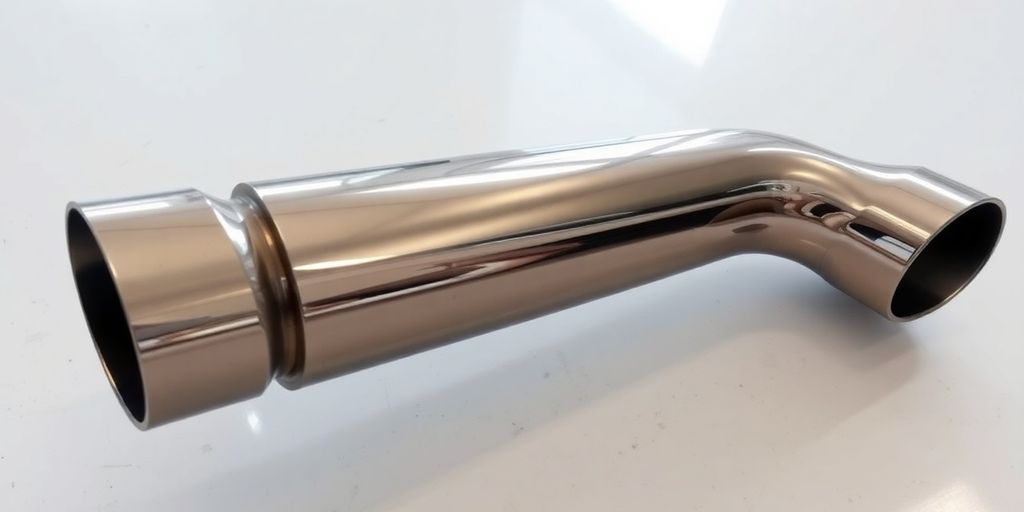
When you’re looking to upgrade your Mitsubishi Pajero’s exhaust system, you’ve got a few options. A new exhaust pipe can sometimes help with engine breathing, potentially giving you a bit more pep. It’s not just about sound, though that’s a big part of it for many people. A well-designed system can also help your engine run a little more efficiently by reducing back pressure. Think of it like trying to breathe through a straw versus a wider pipe – the wider pipe is just easier.
Exhaust Pipes
Upgrading your exhaust pipes on your Mitsubishi Pajero can be a good move for a few reasons. It’s not just about making your truck sound tougher, although that’s definitely a perk for some. A better-flowing exhaust can actually help your engine perform a bit better by letting exhaust gases escape more easily. This can mean a small boost in power and maybe even a slight improvement in fuel economy, though don’t expect miracles. It’s all about reducing that resistance, or back pressure, that the stock system can sometimes create.
When you’re picking out a new exhaust pipe, consider what you want. Do you want a deeper rumble, or are you aiming for a bit more performance? Sometimes, a full cat-back system is the way to go, but even just replacing a section can make a difference. Just make sure whatever you choose is built to last and fits your Pajero right.
We’ve got a range of exhaust pipes that can fit your needs. Whether you’re looking for a simple replacement or a more performance-oriented part, we can help you find what you’re after.
8. Ignition Coils
When you’re looking to boost your Mitsubishi Pajero’s performance, don’t overlook the ignition coils. These little guys are pretty important for getting a strong spark to your spark plugs, which is what actually ignites the fuel in your engine. If your Pajero is feeling sluggish, misfiring, or just not running as smoothly as it used to, bad ignition coils could be the culprit.
Think of them like this: the battery sends low voltage to the coil, and the coil steps it up to a really high voltage. This high voltage then travels down the spark plug wire to the spark plug, creating that spark. If a coil isn’t doing its job right, you get a weak spark or no spark at all, leading to all sorts of engine problems.
| Common Symptoms of Failing Ignition Coils |
|---|
| Rough idling or stalling |
| Poor fuel economy |
| Check Engine light illuminated |
| Reduced engine power |
| Difficulty starting the engine |
Replacing them is usually a pretty straightforward job, and getting good quality ones can make a noticeable difference in how your Pajero runs. It’s one of those maintenance items that’s worth keeping an eye on.
9. Spark Plugs
When it comes to keeping your Mitsubishi Pajero’s engine firing on all cylinders, the right spark plugs are a pretty big deal. These little guys are responsible for igniting the air-fuel mixture in your engine’s cylinders, and if they’re not up to snuff, you’ll notice it. Think rough idling, poor acceleration, or even a complete misfire.
Choosing the correct spark plugs for your Pajero is key to optimal engine performance and fuel efficiency. There are different types, like standard copper plugs, platinum, and iridium, each with its own lifespan and performance characteristics. Iridium plugs, for instance, tend to last longer and provide a more consistent spark compared to copper ones.
It’s not just about picking the cheapest option. The right spark plugs can make a noticeable difference in how your Pajero runs, from smoother idling to better gas mileage. Plus, getting them replaced regularly is a simple maintenance task that can prevent bigger engine problems down the road.
When you’re shopping around, make sure you’re looking at plugs specifically designed for your Pajero’s year and engine model. Using the wrong ones could lead to all sorts of headaches.
10. Fuel Pumps
When your Mitsubishi Pajero needs a new fuel pump, it’s not something to put off. This part is pretty vital for getting your engine running right. It basically takes the gas from your tank and sends it over to the engine so it can do its thing. If it’s not working well, you might notice some sputtering, a loss of power, or even trouble starting the car.
Finding the right fuel pump for your Pajero is key to keeping it on the road. There are different types, like in-tank pumps and external ones, and you want to make sure you get the one that matches your specific model and year. It’s not just about the part itself, but also about how it fits and works with the rest of your fuel system.
Sometimes, a failing fuel pump can be tricky to diagnose because the symptoms can overlap with other issues. If you’re not sure, it’s always a good idea to have a mechanic take a look. They can properly test the fuel pressure and pinpoint the problem. Getting the right part installed correctly means your Pajero will run much smoother and more reliably.
11. Headlights
When your Mitsubishi Pajero’s headlights start to dim or one goes out completely, it’s not just an inconvenience; it’s a safety issue. Keeping your headlights in good shape is pretty important for seeing the road ahead, especially when you’re out on those darker trails or driving in bad weather. We’ve got a range of options to get your Pajero’s front end shining bright again.
Halogen Headlights
Halogen bulbs are the standard for many vehicles, offering a decent amount of light for everyday driving. They’re a straightforward replacement if your old ones have burned out. They tend to be the most budget-friendly option, which is always a plus.
LED Headlights
If you’re looking for a brighter, more focused beam, LED headlights are a great upgrade. They use less power than halogens and typically last much longer. Many people find the crisp, white light of LEDs makes a big difference in visibility at night.
HID (High-Intensity Discharge) Headlights
HID systems, also known as Xenon headlights, provide an extremely bright and clear light. They’re known for their intense output, which can be really helpful for off-roading or driving in very dark conditions. While they can be a bit more complex to install than halogens or LEDs, the improved visibility is often worth it for many drivers.
Headlight Assemblies
Sometimes, it’s not just the bulb that needs replacing. If the entire headlight housing is cracked, fogged up, or damaged from an impact, you’ll need a full assembly. These units come complete with the housing, lens, and sometimes even the bulbs and reflectors, ready to be installed.
Replacing your Pajero’s headlights is a task that many owners can handle themselves with basic tools. It usually involves accessing the back of the headlight unit, releasing a clip or fastener, and swapping out the old bulb for a new one. Always make sure the vehicle is off and the engine has cooled down before you start working on the lights.
12. Fog Lights
When driving conditions get a bit murky, good fog lights can really make a difference. They’re designed to cut through mist, rain, or even heavy dust, helping you see the road ahead better and, just as importantly, making your Pajero more visible to other drivers.
Finding the right set for your Mitsubishi Pajero is pretty straightforward. You’ll want to consider the type of beam they cast – some are wide and spread out, perfect for seeing the edges of the road, while others are more focused.
It’s not just about brightness; the color temperature of the light matters too. Cooler, bluer lights can sometimes scatter more in fog, making things worse. Warmer, yellower lights tend to perform better in poor visibility.
When you’re shopping around, you’ll see different options like halogen, LED, and even HID fog lights. LEDs are popular because they use less power and last a long time, plus they turn on instantly. Halogens are usually the most budget-friendly option.
| Light Type | Pros | Cons |
|---|---|---|
| Halogen | Affordable, readily available | Shorter lifespan, less bright |
| LED | Energy efficient, long-lasting, bright | Higher initial cost |
| HID | Very bright | Can be expensive, may require ballast |
Upgrading your fog lights is a solid move for safety, especially if you do a lot of driving when visibility isn’t great. It’s a pretty simple swap for most Pajero models, and the improvement in how well you can see and be seen is definitely worth it.
13. Off-Road Lights
When you’re hitting the trails or just need some extra visibility on a dark road, good off-road lights for your Mitsubishi Pajero are a game-changer. These aren’t your standard headlights; they’re built tough and designed to throw a serious amount of light exactly where you need it. Think of them as your eyes when the sun goes down or when dust and fog try to blind you.
Upgrading your Pajero with auxiliary lighting can make a huge difference in how you tackle challenging terrain after dark. You can find them in various types, like spot beams for long-distance visibility or flood beams for a wider spread of light. Some folks even mix and match to get the best of both worlds. It’s all about picking what works for your kind of adventures.
Choosing the right off-road lights involves looking at the type of beam pattern, the brightness (lumens), and how durable they are. You want something that can handle bumps, water, and whatever else the trail throws at your Pajero. Many come with robust housings and strong mounting brackets, which is pretty important when you’re bouncing around off-road.
LED Off-Road Lights
LEDs are super popular for off-road lighting because they’re bright, use less power, and last a really long time. They come in all sorts of sizes and shapes, from slim light bars to individual pods.
Halogen Off-Road Lights
While not as common as LEDs these days, halogen lights are still around. They’re usually cheaper upfront, but they use more power and don’t last as long. Still, they can put out a decent amount of light for the price.
HID Off-Road Lights
HID (High-Intensity Discharge) lights offer a very bright, crisp light. They’re known for their intense brightness and good beam penetration, making them a solid choice for serious off-roading, though they can take a moment to warm up to full brightness.
14. Tonneau Covers
Keeping the bed of your Mitsubishi Pajero protected from the elements and prying eyes is a smart move, and a tonneau cover is just the ticket. These covers do more than just look good; they can actually help with your Pajero’s aerodynamics, potentially saving you a bit on gas. Plus, they keep your cargo dry and secure, whether it’s groceries or gear for your next adventure.
There are a few main types to consider. You’ve got your soft roll-up or snap covers, which are usually the most budget-friendly and easy to install. Then there are the more rigid options like tri-fold or retractable covers. These offer a bit more security and durability, but they can cost more. Choosing the right one really depends on how you use your Pajero and what you need to haul.
When you’re looking at tonneau covers, think about how often you’ll need to access the truck bed and what kind of security you’re after. Some are super simple to put on and take off, while others are more permanent fixtures. It’s all about finding that balance between convenience and protection for your specific needs.
15. Car Covers
Keeping your Mitsubishi Pajero protected from the elements is a smart move, and a good car cover is the way to go. Think of it as a shield against dust, sun damage, and even minor scratches when your Pajero is parked.
When you’re shopping around, you’ll find covers made from different materials. Some are lightweight and breathable, great for indoor storage or mild weather. Others are heavier, waterproof, and built to handle tougher conditions like rain, snow, or intense sun. It really depends on where you usually park your vehicle and what kind of protection you need most.
Choosing the right car cover isn’t just about size; it’s about matching the material and features to your specific needs. A cover that’s too tight might not fit well, and one that’s too loose could blow off in the wind. Look for covers designed for outdoor use if your Pajero spends a lot of time outside.
A quality car cover can really help maintain your Pajero’s paint and finish over time.
16. Mud Flaps
Keeping your Mitsubishi Pajero looking sharp and protected from the elements is a great idea, and mud flaps are a simple yet effective way to do just that. These aren’t just for show; they actually help stop mud, rocks, and road salt from getting flung up onto your vehicle’s paint and body panels. This can really save you from a lot of rust and damage down the road. You can find them made from different materials, like tough rubber or flexible plastic, so you can pick what works best for your driving style and the kind of terrain you usually tackle. Getting the right fit is key, as they need to contour properly to your Pajero’s wheel wells to do their job effectively.
When you’re looking for mud flaps, think about how much protection you really need. If you drive on gravel roads a lot, you might want longer, wider ones. For mostly highway driving, standard ones might be just fine. It’s a small addition that makes a big difference in keeping your ride clean and preventing paint chips.
17. Spoilers
Adding a spoiler to your Mitsubishi Pajero isn’t just about looks, though it certainly can make your SUV stand out. Spoilers actually help with aerodynamics. They work by disrupting the airflow over your vehicle, which can reduce drag and improve stability, especially at higher speeds. Think of it like a wing on an airplane, but in reverse – it pushes down instead of lifting up, keeping your Pajero planted on the road.
When you’re looking for a spoiler, you’ll find different styles. Some are subtle lip spoilers that just add a little flair to the rear edge, while others are more pronounced, like the larger wing-style spoilers. The material also matters; you’ll see options in ABS plastic, polyurethane, and even carbon fiber, each with its own weight and durability characteristics.
Choosing the right spoiler involves considering your Pajero’s specific model year and trim level to ensure a proper fit. It’s also worth thinking about how it will affect your vehicle’s overall balance and handling.
It’s a good idea to check compatibility before you buy. You don’t want to end up with a spoiler that doesn’t quite line up or requires a lot of modification to install. Many aftermarket spoilers are designed for specific vehicle models, so doing a bit of research beforehand can save you a headache.
18. Floor Mats
Keeping your Mitsubishi Pajero’s interior clean and protected is a big deal, and that’s where good floor mats come in. They’re not just about looks, though they can certainly add a nice touch. These mats are your first line of defense against dirt, mud, snow, and whatever else you track in from your adventures. Whether you’re hitting the trails or just dealing with daily commutes, the right mats make a difference in how your Pajero holds up over time.
When you’re shopping around, you’ll see a few main types. You’ve got your standard carpet mats, which are pretty common and offer a decent level of comfort. Then there are the all-weather rubber or vinyl mats. These are usually a bit tougher and designed to catch spills and heavy grime, making cleanup a breeze. Some people even go for custom-molded mats that fit the exact contours of your Pajero’s floor, giving you maximum coverage.
Choosing the right floor mats can really help maintain your vehicle’s resale value by preventing wear and tear on the original carpeting. It’s a simple upgrade that pays off down the road.
It’s worth checking out the material and the backing. You want mats that stay put and don’t slide around while you’re driving. Some have special clips or a non-slip underside to keep them firmly in place. Think about how you use your Pajero most often – if it’s mostly for city driving, carpet might be fine. But if you’re frequently off-roading or dealing with rough weather, investing in durable all-weather mats is probably the smarter move.
19. Car Seats
When it comes to upgrading your Mitsubishi Pajero’s interior, car seats are a big deal. You’re not just looking for something that looks good; you want comfort for those long drives and durability for whatever adventures you get into. Whether you’re replacing worn-out original seats or looking for a sportier feel, there are options out there. Think about materials – leather offers a premium feel, while fabric can be more breathable. Some aftermarket seats even offer better support, which can make a difference on rough terrain or during spirited driving.
Finding the right fit is key. Make sure any seats you consider are compatible with your Pajero’s mounting points to avoid a complicated installation. It’s also worth checking reviews for comfort and how well they hold up over time.
It’s not just about the driver’s seat, either. If you’re hauling passengers, their comfort matters too. Some setups allow for different configurations, which can be handy for maximizing cargo space when you don’t need all the seats.
20. Air Filters
Keeping your Mitsubishi Pajero running efficiently often comes down to the basics, and that includes the air filter. This part is pretty straightforward but super important for your engine’s health. It stops dirt, dust, and all sorts of gunk from getting into your engine where it really doesn’t belong. Think of it as the lungs of your Pajero; if they’re clogged, it’s going to struggle.
Types of Air Filters
When you’re looking for a replacement, you’ll mostly see two main types: the standard paper filters and the high-flow or performance filters, often made from cotton gauze or synthetic materials. Paper filters are the usual suspects, doing a solid job for everyday driving. The performance ones, though, are designed to let more air in, which can help your engine breathe a bit easier and potentially give you a small boost in power and fuel economy. It really depends on what you’re looking for – just a replacement or a slight upgrade.
When to Replace Your Air Filter
So, how often should you swap this thing out? The general advice is usually every 12,000 to 15,000 miles, but honestly, it can vary a lot. If you do a lot of driving on dusty roads or in areas with poor air quality, you might need to change it much sooner. A good rule of thumb is to just pull it out and take a look every now and then. If it looks visibly dirty, clogged, or you can barely see through it, it’s probably time for a new one. Ignoring a dirty air filter can lead to reduced engine performance and even damage over time.
Choosing the Right Air Filter
When you’re shopping around for a new air filter for your Pajero, make sure you get the right fit. Using the wrong one won’t do your engine any favors. It’s always best to stick with filters that meet or exceed the original equipment manufacturer (OEM) specifications. While cheaper filters might seem tempting, they often don’t filter as well or last as long, which can end up costing you more in the long run. Quality really matters here.
21. Performance Chips
Thinking about giving your Mitsubishi Pajero a bit more pep? Performance chips are a pretty popular way to do just that. Basically, these little gadgets plug into your vehicle’s computer system and tweak how the engine runs. They can adjust things like fuel delivery and ignition timing to get more power out of your engine. It’s not like adding a whole new engine, but you might notice a difference in acceleration and overall responsiveness.
It’s worth noting that not all chips are created equal, and some might be better suited for certain Pajero models or driving styles than others. You’ll want to do a bit of research to find one that’s a good match for your specific needs.
When you’re looking at performance chips, it’s a good idea to check reviews and see what other Pajero owners have experienced. Some people report noticeable gains, while others find the difference to be pretty minor. It really depends on the chip and your vehicle’s current setup.
22. Strut Assemblies
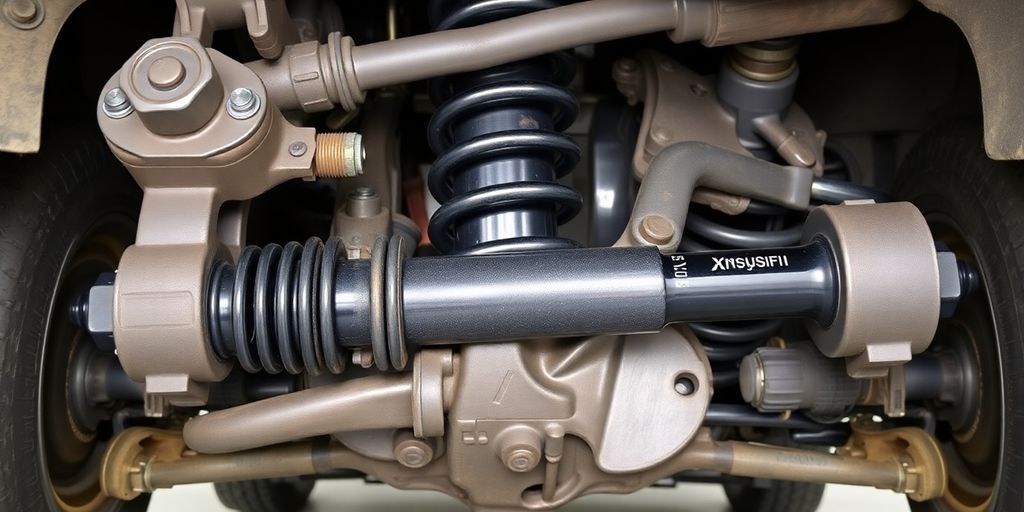
When it comes to keeping your Mitsubishi Pajero handling right, strut assemblies are a pretty big deal. They’re basically a combination of a shock absorber and a coil spring all in one unit, and they do a lot of the heavy lifting when it comes to absorbing bumps and keeping your tires planted on the road. If yours are worn out, you’ll probably notice your ride getting a lot bouncier, maybe even a bit unstable, especially when you go over dips or uneven surfaces. Replacing them can make a world of difference in how your Pajero feels.
Types of Strut Assemblies
Strut Assembly Brands
How to Choose the Right Strut Assemblies
Picking the right strut assemblies means looking at what your Pajero needs. Think about how you use your vehicle – is it mostly for daily driving, or do you take it off-road a lot? This will help decide if you need something standard or maybe a heavy-duty option. Also, make sure the parts you pick are specifically made for your Pajero’s year and model. Getting that fit right is super important for safety and performance.
23. Polyurethane Bushings
When you’re looking to upgrade your Mitsubishi Pajero’s suspension for better handling and durability, polyurethane bushings are a solid choice. Unlike the stock rubber bushings, which can degrade over time and lose their effectiveness, polyurethane offers a more rigid and responsive feel. This can translate to a more connected driving experience, especially when you’re tackling rough terrain or pushing your Pajero through corners.
Benefits of Polyurethane Bushings
Polyurethane bushings are known for their toughness and resistance to wear and tear. They don’t break down as easily as rubber when exposed to oils, fuels, or the elements. This means they can last longer and maintain their performance characteristics under demanding conditions. Many owners find that switching to polyurethane reduces unwanted flex in the suspension, leading to sharper steering response and a more stable feel on the road or trail.
Types of Polyurethane Bushings
There are various types of polyurethane bushings available for the Pajero, each designed to replace specific rubber components in your suspension system. You’ll find bushings for control arms, sway bars, shock mounts, and more. The durometer, or hardness, of the polyurethane can also vary, allowing you to fine-tune the ride quality and performance to your preference. A higher durometer will offer a firmer ride, while a lower one will be a bit more forgiving.
Installation Considerations
Installing polyurethane bushings can be a bit more involved than simply swapping out rubber ones. They often require a bit of force to seat properly, and sometimes a special lubricant is recommended to prevent squeaking. It’s a job that many DIYers can tackle, but if you’re not comfortable with suspension work, it’s always best to have a professional mechanic handle the installation to ensure everything is done correctly and safely.
Upgrading to polyurethane bushings is a smart move for any Pajero owner who wants to improve their vehicle’s handling and extend the life of their suspension components. They offer a noticeable improvement in responsiveness and durability.
24. Water Pumps
When your Mitsubishi Pajero’s engine starts acting up, a faulty water pump is often a prime suspect. This component is pretty important; it’s what keeps the coolant circulating through your engine and radiator, preventing it from overheating. Think of it as the heart of your cooling system. If it’s not doing its job, you’re going to have problems, and fast.
Water Pump Replacement
Replacing a water pump isn’t usually a quick job. It often involves removing other parts like belts, pulleys, and sometimes even the timing cover, depending on your Pajero’s specific engine setup. It’s definitely something you can tackle if you’re comfortable with some more involved mechanical work, but if you’re not, it might be worth letting a professional handle it. Getting the new pump installed correctly is key to making sure your engine stays cool.
Signs of a Failing Water Pump
So, how do you know if your water pump is on its way out? Keep an eye out for a few things. A common sign is a coolant leak, often showing up as a puddle under the front of your vehicle. You might also hear a whining or grinding noise coming from the front of the engine, which could mean the pump’s bearing is going bad. And, of course, if your temperature gauge starts climbing into the red zone more often than it should, that’s a big red flag that the water pump isn’t circulating coolant like it’s supposed to.
A worn-out water pump can lead to serious engine damage if not addressed promptly. Overheating can warp cylinder heads and cause other expensive repairs. It’s always better to catch these issues early.
25. Radiators and more
When it comes to keeping your Mitsubishi Pajero running cool, the radiator and its supporting cast are super important. Think of the radiator as the main player in your Pajero’s cooling system. It’s where the hot coolant from the engine gets a chance to chill out before heading back to do its job. Without a good radiator, your engine could easily overheat, and that’s a fast track to some really expensive repairs.
But it’s not just the radiator itself. You’ve also got other bits and pieces that work together. There are hoses that carry the coolant, a fan to help move air through the radiator, and a water pump to keep everything circulating. Even the thermostat plays a role, making sure the coolant gets to the right temperature. If any of these parts aren’t up to snuff, the whole system can get out of whack.
Radiators
Radiator Hoses
Radiator Fans
Water Pumps
Thermostats
Coolant Reservoir Tanks
Pressure Caps
Keeping your cooling system in good shape means checking the coolant levels regularly and looking for any leaks or worn-out hoses. It’s one of those things that’s easy to forget, but it really makes a difference in how long your engine lasts.
Wrapping Up Your Pajero Parts Search
So, you’ve been looking for parts for your Mitsubishi Pajero. It can feel like a big job, trying to find the right stuff without overpaying. We talked about how important it is to get good quality parts, whether you’re fixing up the engine, the brakes, or just making it look better. Remember, cheap parts might seem good at first, but they can cause more trouble later. Keep an eye out for deals from places that know their Mitsubishi parts. Happy trails with your Pajero!