
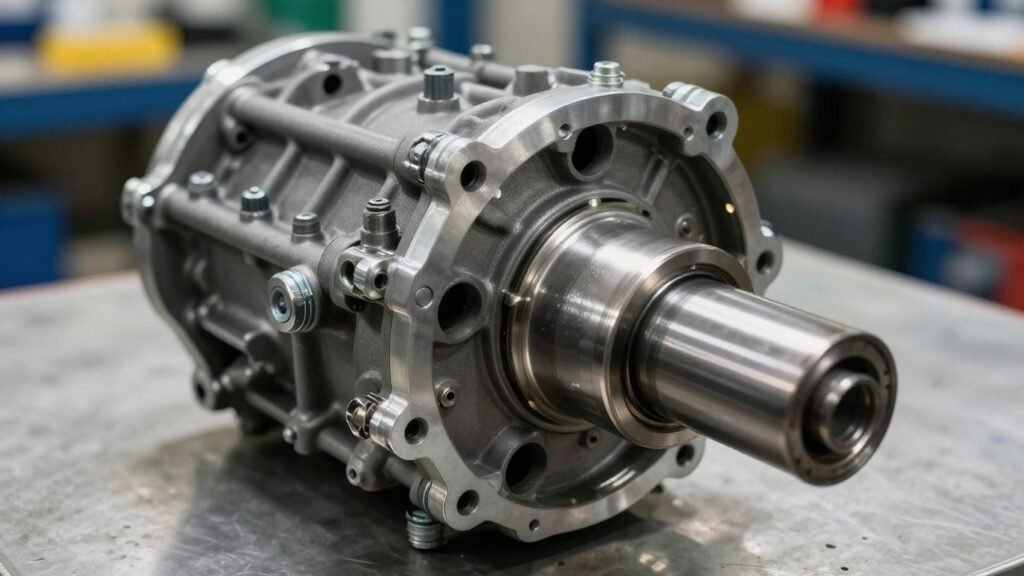
Key Takeaways. Securing a reliable replacement for your vehicle involves careful research and professional validation of technical specifications. Here are the five most essential points to consider when searching for components.
- Begin by cross-referencing your specific transmission code with the official manufacturer documentation.
- Local wreckers in Geelong offer the advantage of visual inspection before finalizing a purchase.
- Always verify the maintenance history and mileage of the unit to ensure expected longevity.
- Professional installers should handle the synchronization of electronic control modules to prevent shifting errors.
- Comprehensive warranties provide critical protection against premature failure after installation.
Understanding your Mitsubishi transmission requirements. Finding the correct assembly for your vehicle requires an understanding of the mechanical variations across different production years. Many owners assume that simply matching a vehicle’s make is sufficient, but internal gearing and control modules can differ significantly even within the same production cycle. Taking time to map out your specific needs will prevent expensive mistakes during the repair process.
Identifying your vehicle model and transmission code. Every vehicle is identified by a unique vin or data plate located in the engine bay or door sill. This information often lists a specific transmission code that corresponds to the internal gear ratios and output shaft configurations required for your chassis. Relying on this code ensures that bolt patterns and bell housing dimensions align perfectly for a seamless fit.
Differentiating between manual and automatic transmission types. Selecting the appropriate transmission requires awareness of the distinct operational needs of modern gearboxes. While manual units focus on clutch engagement and shifting precision, automatic systems depend on complex fluid pressures and hydraulic controls. Ensuring your replacement matches the exact system configuration is non-negotiable for proper torque delivery and vehicle performance.
Matching your transmission to your engine series. Engines often work in tandem with specifically tuned transmissions to maximize fuel efficiency and power output. Pairing a transmission from a different engine series can lead to communication breakdowns between the engine control unit and the gearbox sensors. Ensuring correct engine compatibility is the baseline for achieving smooth power transitions and maintaining the overall structural integrity of the powertrain.
Essential maintenance history to verify before purchase. Assessing the pedigree of a used unit is as important as the physical component itself. Seek out service records that document regular fluid flushes and filter replacements throughout the vehicle’s lifespan. An assembly with a clean, well-maintained history is statistically more reliable than a unit with unknown origins or a long gap in maintenance logs.
Where to find reliable used Mitsubishi auto parts in Geelong. Geographical convenience often balances with shipping costs when sourcing significant heavy components like transmissions. Geelong hosts a variety of automotive recycling operations that can provide competitive access to clean units without the overhead of long-range transport. Leveraging local resources allows for a more personal touch regarding inventory verification and quality assurance.
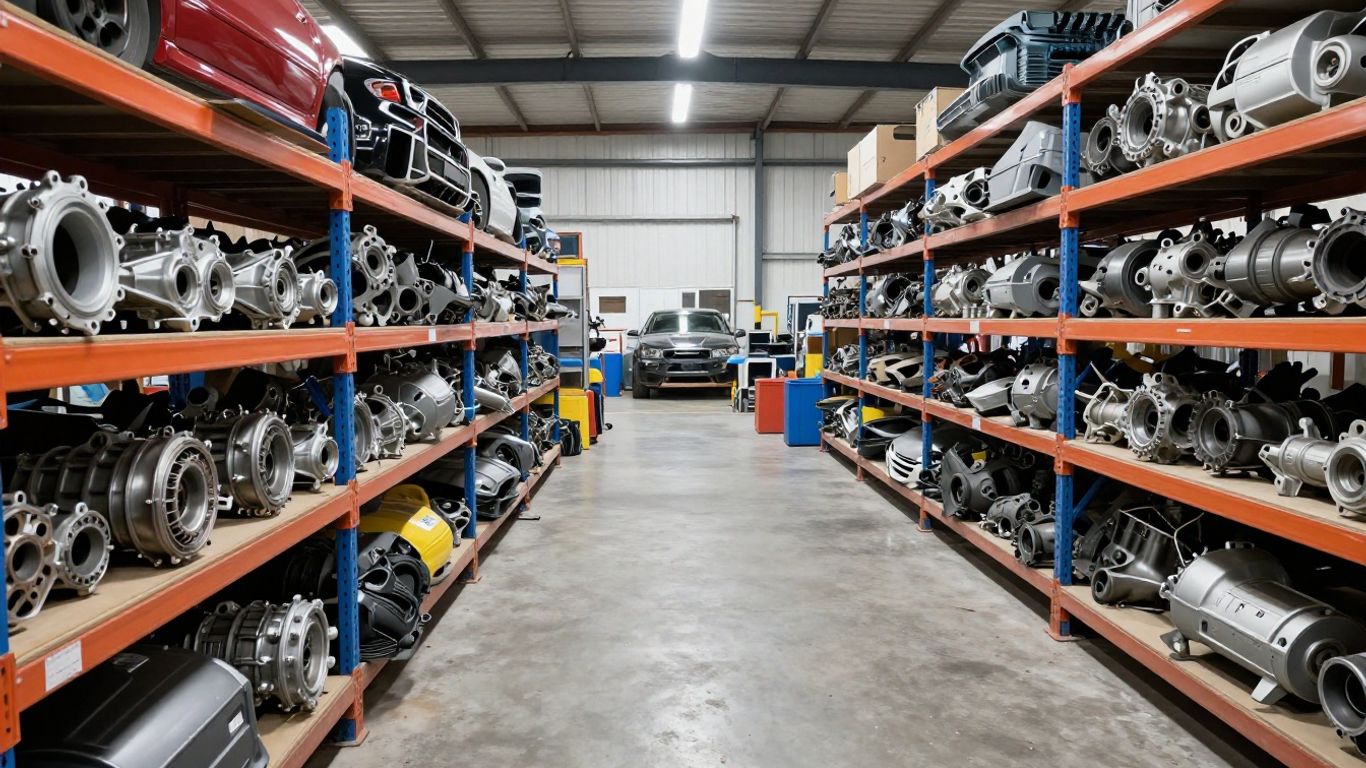
Researching local wreckers and recycling yards. Establishing a relationship with neighborhood recyclers allows you to inquire about current stock before traveling to the site. Many yards keep organized databases that track the arrival of popular models, which can save hours of physical inspection time. A well-managed yard typically cleans and tags components upon vehicle arrival to ensure their condition is maintained while in the inventory.
Evaluating online marketplaces versus local inventory. Online platforms offer broader search capabilities across multiple regions, but they often lack the opportunity for direct inspection. Local inventory enables you to view the item in its raw, uncleaned state, which sometimes reveals more than a polished online listing. Balancing the convenience of a digital search with the physical confirmation of a local visit remains a high-value strategy for most buyers.
Benefits of buying from specialized Japanese car wreckers. Specialized wreckers focus exclusively on vehicles like the Pajero or Lancer, resulting in deep technical knowledge and a better inventory of compatible sub-assemblies. These experts understand the common points of failure in these specific architectures and can often advise on secondary parts that might need replacement simultaneously. Utilizing their experience minimizes the risk of purchasing an incompatible unit.
Assessing the credibility of local auto parts suppliers. A reputable supplier should be transparent about their testing processes and the source of their inventory. Ask about their retrieval methods, as units pulled from wrecked vehicles should be handled carefully to avoid damaging seals or external housings. Credible businesses are usually eager to share their inspection reports to maintain their standing in the regional automotive community.
Inspecting a second-hand transmission for quality assurance. Visual cues often provide the first indication of a transmission’s internal health before it is ever bolted onto your vehicle. A thorough inspection process requires attention to fine detail that can save you significant trouble later. Developing a systematic approach to verifying a unit before purchase is a mandatory step for any cautious buyer.
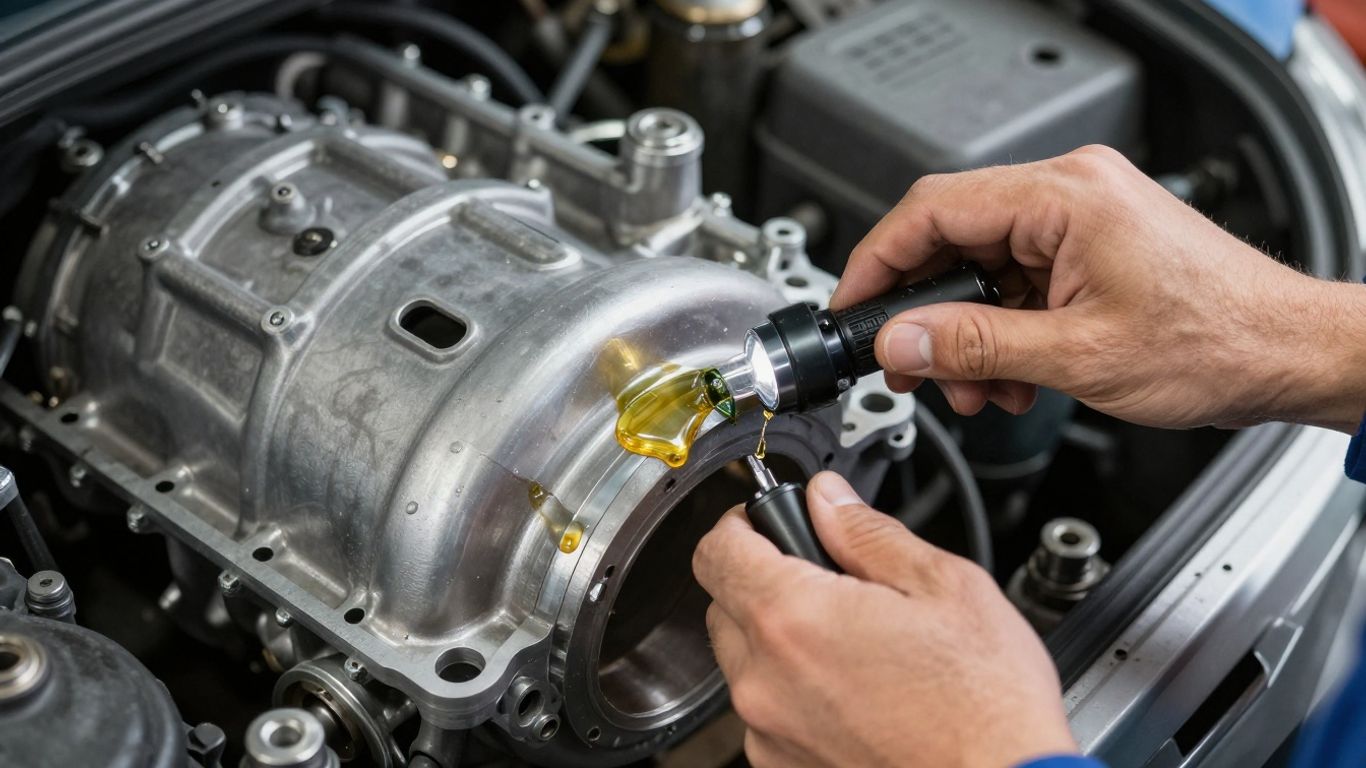
Checking for physical damage or fluid leaks in the casing. Start by examining the outer shell for any visible cracks, welding repairs, or signs of heavy impact. Leaking fluids around the bell housing or output seals are immediate indicators that internal gaskets may have hardened or failed over time. A clean, dry external surface is typically the strongest sign of a sealed and well-cared-for unit.
Testing torque converter condition and internal components. The torque converter plays a vital role in transferring power, and any sign of rattling or metallic debris inside the fluid can indicate internal grinding. Carefully rotating the input shaft while holding the output shaft can reveal any irregular resistance or noise. These simple manual checks verify that the internal assembly moves without binding or excessive play.
Importance of verifying mileage and documented history. Lower mileage is a general indicator of reduced wear, but vehicle usage patterns remain equally critical. A unit with higher mileage that served primarily on highways is often in better condition than a low-mileage unit subjected to constant stop-and-go commuting. Always prioritize components that lack severe environmental exposure and have verifiable maintenance logs.
Red flags that suggest a transmission is nearing end-of-life. Recognizing signs of terminal wear prevents the investment in a failing assembly that would require immediate rebuilding. Look for dark, burnt-smelling fluid or visible metal shavings on the magnet, as these symptoms suggest internal friction component degradation.
When considering an assembly with questionable history, note that excessive end-play typically indicates bearing failure that cannot be serviced through simple maintenance. Such structural issues lead to rapid catastrophic failure soon after the component is placed under normal driving loads, rendering the unit unsuitable for installation.
Ignoring these warnings while attempting to save on initial costs often leads to duplicate labor expenses when the unit inevitably requires replacement again.
Professional installation and compatibility considerations. Even a perfectly sourced component requires correct installation to function according to manufacturer specifications. The process demands precision tools and experience with hydraulic systems, which is why professional shop support is frequently recommended. Ensuring every detail is managed prevents early failure and protects your investment in the part.
Deciding between DIY versus professional transmission replacement. While some enthusiasts possess the skills to handle an installation, the process involves significant lifting and delicate alignment of the drivetrain. Professional mechanics utilize lifts and specialized alignment tools that protect the housing from stress during the mating process. A professional installation typically includes a guarantee on the labor performed, which is a major factor for long-term reliability.
Sourcing the correct fluids and filters for successful operation. Using the exact fluid type specified for the transmission model is the most important maintenance decision during the installation. Modern gearboxes are sensitive to viscosity and chemical additives, and using generic "all-purpose" fluids will likely cause shifting delays or premature wear. Never overlook the importance of installing a new filter and pan gasket to ensure a clean start.
Programming and electronic control module synchronization. Modern transmissions communicate with the vehicle’s computer systems to determine optimal shift timing. This integration often requires a diagnostic tool to reset transmission adaptive values or to pair the new unit with the existing engine controller. Skipping this step can lead to harsh shifts as the car struggles to adjust to the new internal pressures.
Understanding torque converter alignment and drivetrain balancing. Proper alignment of the converter within the bell housing is an essential final step before securing the bolts. If the splines do not seat correctly during the initial mounting, the pump can be damaged as soon as the engine turns. Following professional sequences ensures safe mounting.
| Component | Importance | Check Required |
|---|---|---|
| Output Seal | Critical | Every installation |
| Mounts | Essential | Prior to bolting |
| Fluid Level | Mandatory | Before ignition |
Verifying these components confirms that the transmission is correctly integrated with your vehicle chassis, preventing premature vibration or leaks.