Key Takeaways
Properly managing an end-of-life vehicle can provide significant value while supporting sustainable practices across the region.
- Mitsubishi wreckers Sunshine Coast provide reliable options for disposing of unwanted vehicles professionally.
- Salvaged parts undergo rigorous inspection processes to ensure quality and compatibility.
- Local wrecking services contribute to a circular economy by reusing steel, aluminum, and plastics.
- Preparation of ownership documentation is essential for a smooth and legal valuation process.
- Reputable wreckers prioritize environment-friendly fluid disposal and regulatory compliance.
Understanding the Mitsubishi wrecking process
When a vehicle reaches the end of its road, it transitions into a structured recycling workflow that prioritizes part recovery and material reclamation. This mechanical lifecycle begins with an initial check of the vehicle’s history and salvageable components. Experienced technicians then evaluate which systems remain functional for future use.
How salvaged parts are sourced
Technicians carefully dismantle vehicles to isolate components that retain their integrity. Every saved piece, whether it belongs to a Mitsubishi Triton or a commuter sedan, is cataloged by its specific build date and condition. This precise extraction prevents damage to adjacent parts during the removal phase.
Refurbishment and quality testing
Once removed, parts undergo a cleaning and verification sequence. Specialists assess whether components like alternators or transmissions require further restoration before being moved to the store room. This testing phase ensures that buyers receive functional hardware rather than just scrap metal.
Inventory management for specific models
Efficient wreckers organize their stock based on make and model compatibility. By maintaining detailed records, they can quickly tell if a part from a Mitsubishi Pajero will fit within another user’s repair project. This structured database minimizes wait times during the search process for specialized hardware.
Benefits of choosing local Mitsubishi wreckers on the Sunshine Coast
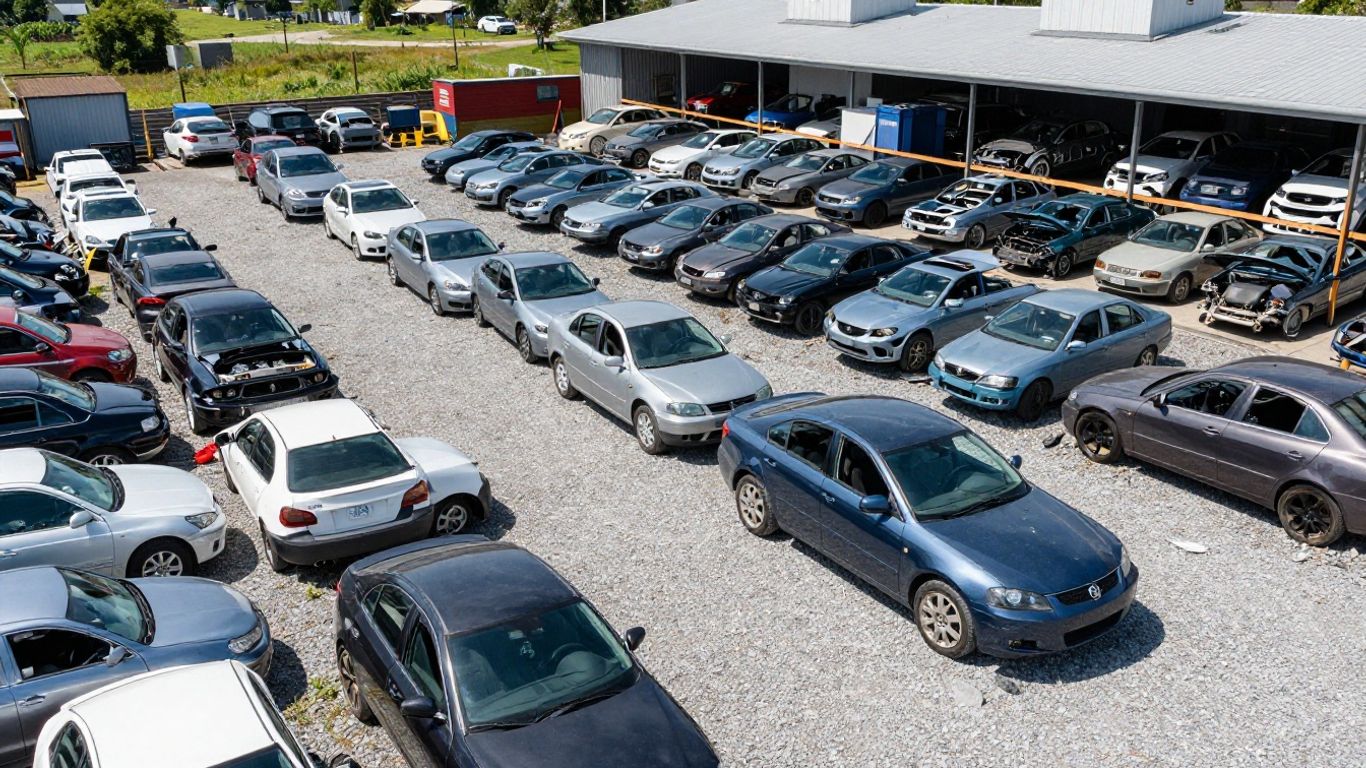
Choosing a service provider within your immediate vicinity creates several logistical and financial advantages for car owners. Local operators understand the specific needs of the community and provide a more personalized approach to vehicle disposal. By working with nearby professionals, you avoid complex transport arrangements while benefiting from their regional expertise.
Fast and free scrap car removal
Most local facilities handle the heavy lifting for you, often providing zero-cost towing services. Their team arrives at the indicated location, safely secures the vehicle, and transports it to their yard. This process removes the burden of managing non-operational cars that would otherwise clutter your driveway.
Saving money on genuine used spare parts
Opting for reclaimed components is a budget-friendly way to keep older vehicles running for years to come. Many buyers find that used inventory offers a significant cost advantage when compared to purchasing brand-new manufacturer stock.
| Part Component | Typical New Price | Typical Used Price | Potential Savings |
|---|---|---|---|
| Alternator | $450 | $150 | $300 |
| Side Mirror | $200 | $60 | $140 |
| Starter Motor | $380 | $120 | $260 |
These price differences allow drivers to invest in quality repairs without needing to commit to original retail pricing. The availability of these parts ensures that essential vehicle functions remain affordable.
Supporting the local Sunshine Coast economy
Engaging with regional businesses helps circulate capital within the local area, supporting technical jobs and infrastructure. When you sell or purchase through these firms, you directly assist in maintaining a healthy, functional local industry. This focus ensures that resources and expertise remain anchored to the region.
Providing disposal solutions for damaged fleet vehicles
For companies managing multiple cars, local wreckers provide streamlined disposal services that handle high volumes. This helps businesses clear their balance sheets of older assets while ensuring the metal is processed responsibly. It represents a practical strategy for corporate maintenance that keeps fleets from piling up in storage areas.
Preparing your vehicle for an auto wrecker
Ensuring your car is ready for arrival helps the valuation team conduct their assessment without unnecessary friction. By taking the time to prepare the vehicle, you clear the way for an accurate estimate of its worth. A clean and organized vehicle signals to the operator that the equipment has likely been maintained throughout its life.
Removing personal belongings from the interior
Before the vehicle is towed, double-check all compartments for personal items. Glove boxes, door pockets, and trunks often hide keys, documents, or small valuables that might be overlooked. Clearing the interior makes it easier for the dismantling team to access specific dash or sensor components quickly.
Organizing necessary ownership and title documents
Professional wreckers are legally required to verify the source of their incoming stock. Have your registration papers and proof of ownership readily available for the team upon their arrival. This prevents delays and ensures the transfer process complies with regional laws.
Assessing the condition of removable accessories
If you have added aftermarket components to your vehicle, decide which ones you intend to keep. While a roof rack or a specialized stereo might add perceived value to you, they often do not affect the scrap-metal estimate of the vehicle. Identifying these items in advance allows you to remove them safely without rushing.
Cleaning the exterior of your car
A simple rinse or brush-down of the exterior can help the appraiser see the true state of the body panels. Hidden rust or impact damage is more visible when the surface is clear. While this will not change the structural integrity, it certainly makes the overall inspection process easier to document.
What to expect during the vehicle valuation
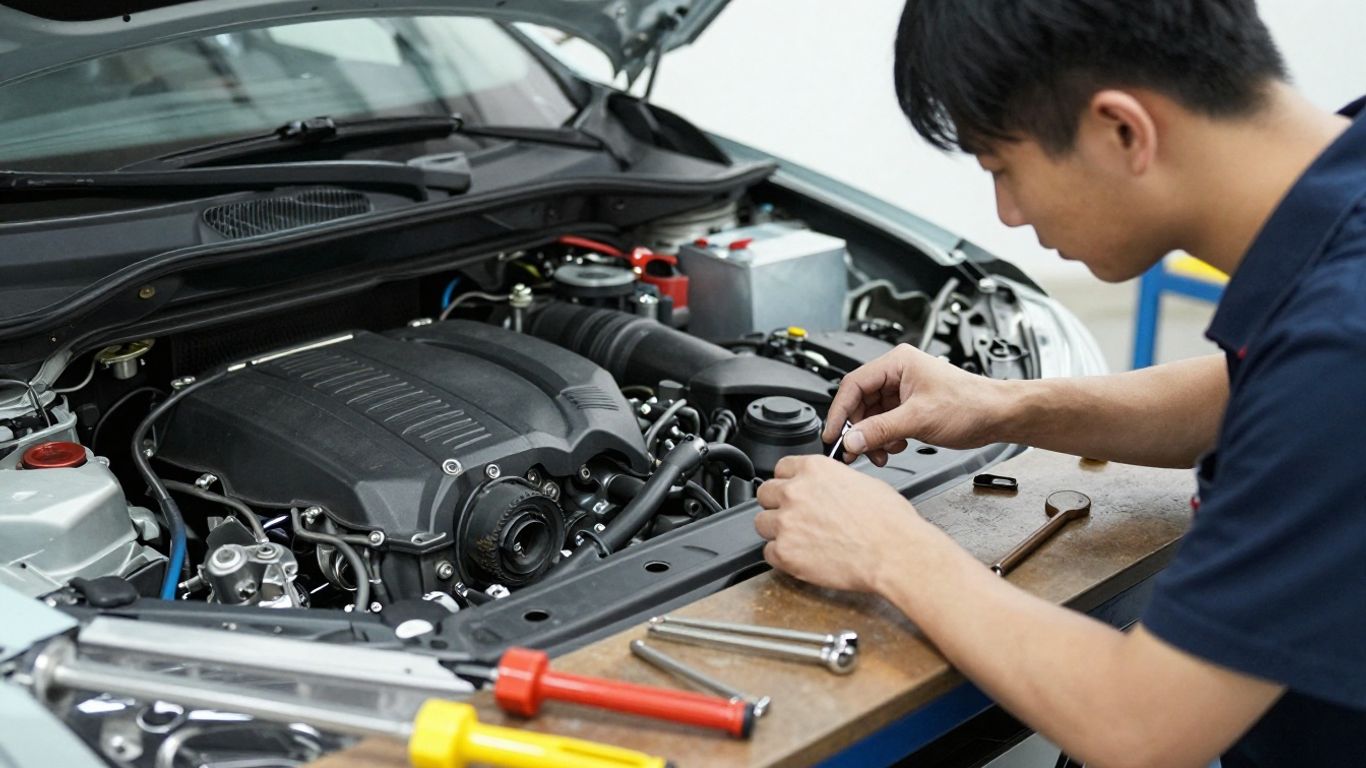
Vehicle valuation is a data-driven process that considers the current market state and the condition of the specific unit. Appraisers look for clear evidence of usable parts against the base value of the metal. Understanding this balance helps set realistic expectations for the financial return you might receive.
Factors that influence scrap value
Market demand for steel and aluminum remains the foundation for almost every car sale. The appraiser will account for the current price per ton of these metals when calculating their offer. Beyond raw metal, the rarity of certain functional components can also boost the final valuation.
The importance of model year and mileage
Newer models, such as recent versions of the Mitsubishi Lancer or Outlander, often feature high-demand digital components and modern sensors. High mileage might result in more wear on internal gears, whereas lower mileage units may retain superior engine components for resale. Analysts compare these metrics against current inventory databases.
Inspection of mechanical and electrical integrity
Technicians examine the critical path of electricity and movement to determine if core systems like the ECU and transmission remain viable. Thoroughness here ensures the yard can rely on the parts they salvage.
A comprehensive inspection focuses on identifying long-term reliability in secondary systems while weeding out components that show early signs of potential failure.
The findings from this review are shared with the owner to justify the offer provided for the car. This level of oversight ensures that both the wrecker and the customer are aligned on the vehicle’s true condition.
How to negotiate a fair market price
Transparency is the best tool available during any negotiation. By knowing the general value of your car’s scrap metal and its most valuable working parts, you can confidently discuss the estimate provided. Remain open to the appraiser’s feedback regarding specific faults or missing pieces that may lower the potential trade value.
Environmental and sustainable recycling practices
Modern wreckers follow strict guidelines to ensure every part of the vehicle is handled without causing harm to the ecosystem. Sustainable practices involve recovering everything from small rubber seals to large chassis frames. This holistic approach prevents harmful materials from leaching into the soil or water table.
Safe disposal of hazardous automotive fluids
Fluids such as oils, coolants, and brake fluid are carefully drained using closed-loop systems. This prevents any accidental spills and ensures these substances are treated or reused by specialized chemical waste facilities. Protecting the environment from automotive toxicity remains a priority for any certified operator.
Maximizing steel and aluminum recycling rates
Once all functional parts are cleared, the shell is compressed for metal processing. High-efficiency crushers enable wreckers to send large quantities of steel and aluminum to smelting plants. Recycling these metals takes significantly less energy than manufacturing new materials from raw ore.
Reducing landfill waste through part repurposing
By keeping parts in circulation, wreckers prevent thousands of kilograms of plastic, foam, and glass from ending up in local landfills. Every dashboard panel or mirror glass that is repurposed extends the life of those materials. This cycle of reuse is a fundamental aspect of the automotive industry’s commitment to durability.
Compliance with environmental regulations in Queensland
Local facilities strictly adhere to regional environmental laws designed to preserve the beauty of the state. Regular audits and site inspections ensure that wreckers operate within their permitted limits. This compliance gives car owners peace of mind that their asset will not contribute to future pollution.
How to identify a reputable Mitsubishi wrecker
Finding a trustworthy partner for your vehicle disposal is vital for a positive experience. Credible operators are characterized by their willingness to document all processes and provide clear answers to your questions. A professional appearance, both online and in their yard, often correlates with the quality of their service.
Checking online customer reviews and testimonials
Look for feedback that mentions the speed of picking up vehicles and the accuracy of the final payment. Consistency in positive experiences across several platforms acts as a strong indicator of reliability. If a company regularly addresses customer needs with clear and helpful communication, it is usually a safe choice.
Verifying professional licensing and certification
Professional wrecking yards are usually registered businesses with specific codes for their industry. A legitimate operator will not hesitate to share their licensing details if asked. This verification protects you from dealing with informal or unauthorized entities that may not operate safely or legally.
Evaluating the quality of their cataloged stock
Take a look at their website or visit the yard if possible to see how they display their available parts. A well-categorized stock list shows that they prioritize efficiency and customer service. High-quality wreckers take pride in maintaining an orderly inventory, making it easier for them to assist you with your needs.
Assessing transparency in their pricing and service terms
Avoid any business that avoids discussing fees or conditions until the last minute. Reputable wreckers should clearly outline how they value your vehicle and what, if any, fees apply to common services like towing. Clear terms and conditions ensure that both parties are on the same page from the start, avoiding last-minute surprises.
Conclusion
Managing your vehicle at the end of its life does not need to be a stressful task when you choose a professional partner. By following these steps and working with established Mitsubishi wreckers on the Sunshine Coast, you ensure your car is handled safely, legally, and sustainably. This process not only rewards you with fair payment for your vehicle but also supports a circular economy that benefits the entire regional network.