
So, you’re thinking about a new car, and maybe, just maybe, a Mitsubishi popped into your head. It’s okay, you’re not alone. For a long time, hearing ‘Just Mitsubishi’ might have brought up thoughts of budget cars or even a bit of a shrug. But things are changing. This article looks into what that phrase really means for car buyers today, and how this brand is trying to shake off its old image and make a comeback.
Key Takeaways
- Mitsubishi is working hard to change how people see its cars, moving past the idea that they’re just cheap options.
- Being part of the Renault-Nissan group gives Mitsubishi access to new car parts and designs, which helps them make better cars.
- Sales for Just Mitsubishi cars are going up in the U.S., showing that more people are starting to consider them.
- They’re bringing in new design people and updating car models, like the Outlander, to make them more appealing.
- Even with worries about tariffs, Mitsubishi’s smaller U.S. presence might actually help them deal with those kinds of problems.
Understanding the “Just Mitsubishi” Perception
The Stigma of Affordability
For years, Mitsubishi has battled the perception of being a ‘budget’ brand. It’s a double-edged sword. Sure, affordable cars are great, but it also makes people think the quality isn’t there. Mitsubishi North America’s CEO knows this is a problem that needs fixing. They’re working to change that image, but it’s not something that happens overnight. It’s about convincing people that you can get a reliable car without breaking the bank, and that ‘affordable’ doesn’t automatically mean ‘cheap’.
Overcoming Negative Brand Perceptions
Let’s be honest, Mitsubishi has had its ups and downs. There was a time when sales really tanked, and that leaves a mark. It’s like when a sports team has a losing season – it takes time to rebuild trust with the fans. Mitsubishi is in that rebuilding phase. They’re trying to shake off the image of being the last pick in the automotive draft, the car you settle for when you can’t afford anything else. It’s a tough climb, but they’re making progress, one car at a time.
The Road to Redemption for Just Mitsubishi
Mitsubishi’s journey back to being a major player in the US market is a marathon, not a sprint. They’ve made some smart moves, like partnering with Renault and Nissan, but there’s still a long way to go. The company’s U.S. sales have improved since 2013, but they’re still not where they used to be. It’s about more than just sales numbers, though. It’s about changing the conversation, showing people that Mitsubishi is more than just a ‘cheap’ option. It’s about proving they deserve a second look.
It’s easy to write off a brand that’s struggled, but Mitsubishi is fighting back. They’re not just sitting around hoping things will get better. They’re actively working to improve their cars, their image, and their customer experience. It’s a long road, but they seem determined to get there.
Mitsubishi’s Journey Back to Relevance
Gradual Progress in U.S. Sales
It’s been a slow climb for Mitsubishi, trying to get back on its feet. It’s not like watching some underdog fighter in a movie; it’s a corporation trying to find its way again. While sales in the U.S. have gone up a bit each year since 2013, it’s been a pretty gradual process.
Last year, they sold around 118,000 cars in America. That’s the best they’ve done since before the big recession, but still way behind their peak of about 346,000 back in 2002. It’s a tough road, and they’re not quite there yet.
Mitsubishi’s situation is interesting. They’ve done okay in China and even better in Europe. But North America is important to them, so they’re working to get their market share back.
Alliance with Renault-Nissan
The Renault-Nissan Alliance, which now includes Mitsubishi, is a big deal. They’re trying to work together more efficiently. This means sharing resources and working together on things like quality control and car servicing. It’s all about saving money and making things better.
New Platforms and Design Direction
For a while, Mitsubishi was kind of at the bottom of the barrel. They weren’t anyone’s first choice, often relying on people with less-than-perfect credit. But things might be changing. The 2022 Outlander, with its new platform shared with a popular model, has a fresh look and some cool features. This could be the start of Mitsubishi getting back in the game.
The Impact of Global Alliances on Just Mitsubishi
Leveraging Shared Resources
Being part of the Renault-Nissan-Mitsubishi Alliance is a big deal for Mitsubishi. It’s like joining a club where everyone shares their toys, or in this case, their technology and resources. Think about it: instead of Mitsubishi having to develop every single part for their cars from scratch, they can now use stuff that Renault and Nissan already have. This saves them a ton of money and time, which they can then put into other things, like making better designs or improving their factories. It’s all about working smarter, not harder.
Global Clout Versus North American Challenges
Okay, so being in this big alliance gives Mitsubishi some serious muscle on the world stage. They can tap into Renault and Nissan’s global networks, sell cars in more places, and generally have a bigger presence. But here’s the thing: North America is still a tough nut to crack. Even with the alliance’s help, Mitsubishi has to figure out how to win over American car buyers, who can be pretty picky. It’s not enough to just have good cars; they need to convince people that Mitsubishi is a brand worth buying.
The alliance is pushing for more efficiency, aiming to combine efforts in areas like purchasing and manufacturing. The goal is to free up funds for research and development, which could lead to better cars down the road.
Future Architecture and Model Development
So, what does the future hold for Mitsubishi now that they’re part of this alliance? Well, one of the biggest things is that they’ll be using shared platforms for their cars. This means that the basic structure of a Mitsubishi might be the same as a Renault or a Nissan. This might sound boring, but it actually allows Mitsubishi to focus on what makes their cars unique – the design, the features, and the overall driving experience. Plus, it means they can bring new models to market faster and more affordably. It’s all about making the most of what they have and building a better future for the brand.
Sales Performance and Market Position
Recent Sales Growth in the U.S.
Okay, so Mitsubishi’s been trying to claw its way back into the game for a while now. It’s not like they’ve been setting the world on fire, but things are getting better, slowly but surely. They’ve had some decent sales increases recently. February’s U.S. sales figures were the best they’ve seen since 2007, which is something, right? Up almost 19% year over year. And if you look at the first couple of months of the year, they were up over 23% compared to the year before. That’s a pretty solid jump, showing they’re gaining some traction.
Comparing Current Sales to Historical Peaks
Let’s not get ahead of ourselves, though. While those recent gains are nice, it’s important to keep things in perspective. Back in 2002, they were moving way more cars. Like, way more. We’re talking over 345,000 vehicles. Last year? They managed around 118,000. So, yeah, there’s still a long way to go before they’re back to their peak performance. It’s a marathon, not a sprint, and they’re still lacing up their shoes.
Targeting New Buyer Demographics
So, who’s buying these Mitsubishis anyway? Well, they’re trying to appeal to a broader range of people. They’re not just focusing on the same old crowd. They’re looking at younger buyers, families, people who want something reliable and affordable. It’s all about finding their niche and making sure they’re offering something that those buyers actually want. They’re trying to shake off the old image and show people that they’re a brand worth considering. It’s a tough job, but someone’s gotta do it.
Mitsubishi is working to understand what different groups of buyers are looking for in a car. They’re trying to figure out how to make their cars more appealing to these groups. This involves looking at things like design, features, and price to attract a wider range of customers.
Design and Product Evolution for Just Mitsubishi
Addressing Past Design Criticisms
Mitsubishi hasn’t always been known for groundbreaking design, let’s be honest. Some models were, well, let’s just say they weren’t winning any beauty contests. There was a period where it felt like they were playing it safe, maybe too safe, and the designs started to feel a bit dated. The Eclipse Cross, for example, got some pretty harsh feedback. But it seems like they’re finally acknowledging that and trying to turn things around.
Hiring New Design Talent
To shake things up, Mitsubishi brought in some fresh blood. They hired designers with experience at brands like Audi and Alfa Romeo. That’s a pretty clear signal that they’re serious about injecting some style and sophistication into their vehicles. It’s not just about making cars that are functional; it’s about making cars that people actually want to look at. It will be interesting to see how these new designers influence the future direction of Mitsubishi’s aesthetic.
The Role of New Models Like the Outlander
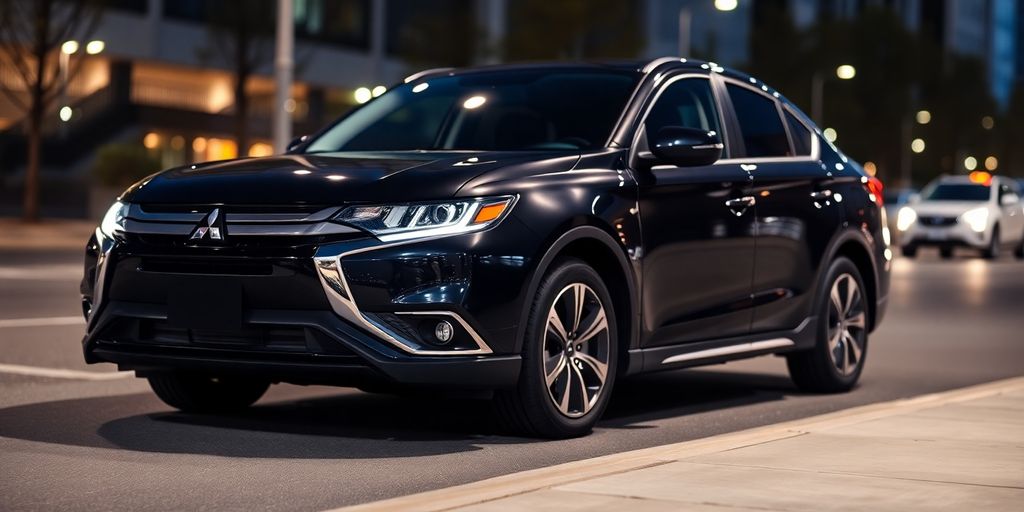
The new Outlander is a great example of this shift. It’s a complete departure from some of their older designs. It’s bolder, more modern, and it actually looks like it belongs in the current automotive landscape. The Outlander is important because it shows that Mitsubishi can produce a vehicle with broad appeal. It’s a step in the right direction, and hopefully, it’s a sign of things to come for the rest of their lineup.
The Outlander’s success is more than just about aesthetics; it’s about demonstrating Mitsubishi’s commitment to innovation and quality. It’s a statement that they’re not just trying to survive, but to thrive in a competitive market.
Navigating Economic Headwinds
The Threat of Import Tariffs
Import tariffs are always a worry for automakers, and Mitsubishi is no exception. The cost of bringing vehicles or parts into the U.S. can really add up, impacting the final price for consumers. This could make Mitsubishi cars less competitive, especially when compared to brands that manufacture vehicles locally. It’s a tricky situation that requires careful planning and a bit of luck.
Lack of U.S. Production Facilities
Unlike some of its competitors, Mitsubishi doesn’t have any production plants in the United States. This means they’re fully reliant on imports, making them more vulnerable to changes in trade policy and currency fluctuations. Having a U.S. factory could provide a buffer against these economic shifts, but it’s a huge investment.
Mitsubishi’s Unique Position Regarding Tariffs
Mitsubishi’s relatively small sales volume in the U.S. might actually give it a slight advantage when it comes to tariffs. Because they don’t sell as many cars as some of the bigger players, the impact of tariffs might be less severe. However, this is a double-edged sword, as lower sales also mean less revenue to absorb any increased costs.
It’s a balancing act. Mitsubishi needs to grow its sales in the U.S., but it also needs to be mindful of the economic climate and potential trade barriers. The company’s future success depends on making smart decisions and adapting to whatever challenges come its way.
Beyond the Dealership Experience
The Importance of Dealership Makeovers
Let’s be honest, walking into some car dealerships can feel like stepping back in time. For Mitsubishi, shaking off the "Just Mitsubishi" label isn’t just about the cars themselves; it’s also about the whole experience. A fresh, modern dealership can signal a new era for the brand. It shows they’re investing in the future and care about how customers perceive them. It’s about creating an environment where people feel comfortable and confident in their purchase.
Brand Perception and Customer Experience
Brand perception is everything. You can have the best car on the market, but if people have a negative view of the brand, it’s an uphill battle. The dealership experience plays a huge role in shaping that perception. Are the staff knowledgeable and helpful? Is the service department efficient and reliable? These things matter. Mitsubishi needs to make sure every touchpoint with the customer reinforces the idea that they’re a brand on the rise, committed to quality and customer satisfaction.
A positive customer experience is more than just a friendly salesperson. It’s about transparency, honesty, and building trust. It’s about making the car-buying process as smooth and stress-free as possible.
Investing in the Future of Just Mitsubishi
"Just Mitsubishi" needs to be a thing of the past. Investing in the future means more than just new models and updated dealerships. It means investing in people, in technology, and in building a brand that customers can be proud to own. It’s a long game, but with the right strategy and commitment, Mitsubishi can definitely turn things around. It’s about showing the world that they’re not just a budget brand, but a brand that offers value, reliability, and a driving experience that people will enjoy.
So, What’s the Real Deal with Mitsubishi?
So, when you hear "just Mitsubishi," it’s not really about some sad, forgotten car company anymore. They’ve been through a lot, sure, and for a while there, things looked pretty rough. But they’re making a comeback, slowly but surely. They’re not trying to be a luxury brand, and they’re not going to suddenly compete with the big guys on every street corner. Instead, they’re focusing on what they do well: making cars that are good value, dependable, and have some cool tech, especially with their hybrid stuff. It’s about finding their spot in the market and sticking to it. So, next time you see a Mitsubishi, maybe give it a second look. You might be surprised by what you find.