
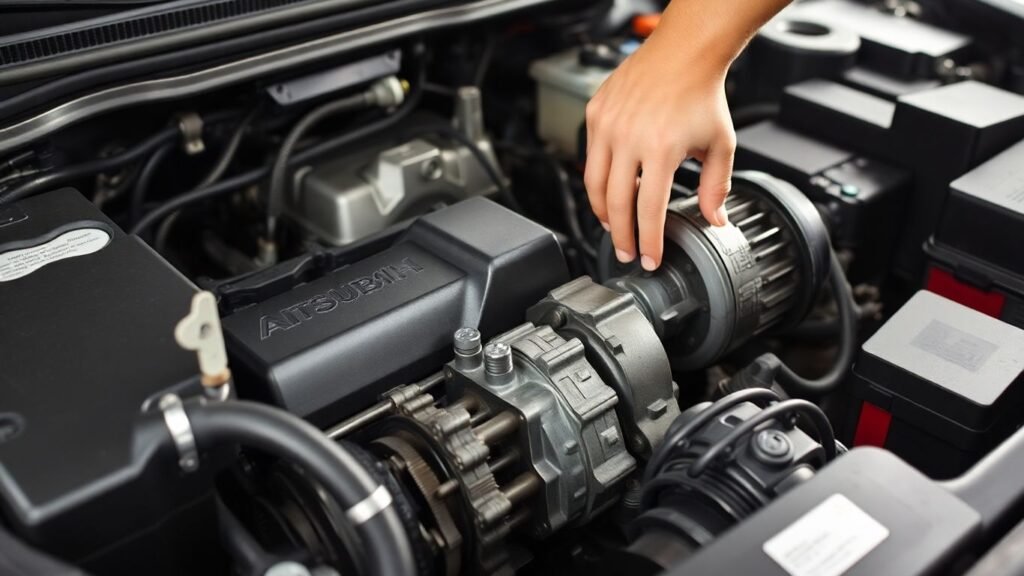
So, you’ve got a Mitsubishi Outlander and you want to keep it running like a dream, right? That means taking care of the engine and transmission. These are the heart and soul of your car, and when they’re not happy, nothing else matters. Finding the right people to work on them is super important. You don’t just want anyone; you want someone who really knows their stuff when it comes to Mitsubishi Outlander engine and transmission specialists. Let’s talk about what that means and how to find them.
Key Takeaways
- Specialized shops know the ins and outs of Mitsubishi Outlander engines and transmissions.
- Regular check-ups on your engine and transmission can save you big money down the road.
- Look for shops with certified technicians who have experience with your specific Outlander model.
- Don’t ignore warning signs like strange noises or rough shifting – get them checked out.
- Proper maintenance, including fluid changes and system checks, keeps your Outlander performing well.
Expert Mitsubishi Outlander Engine Service
Understanding Your Outlander’s Engine
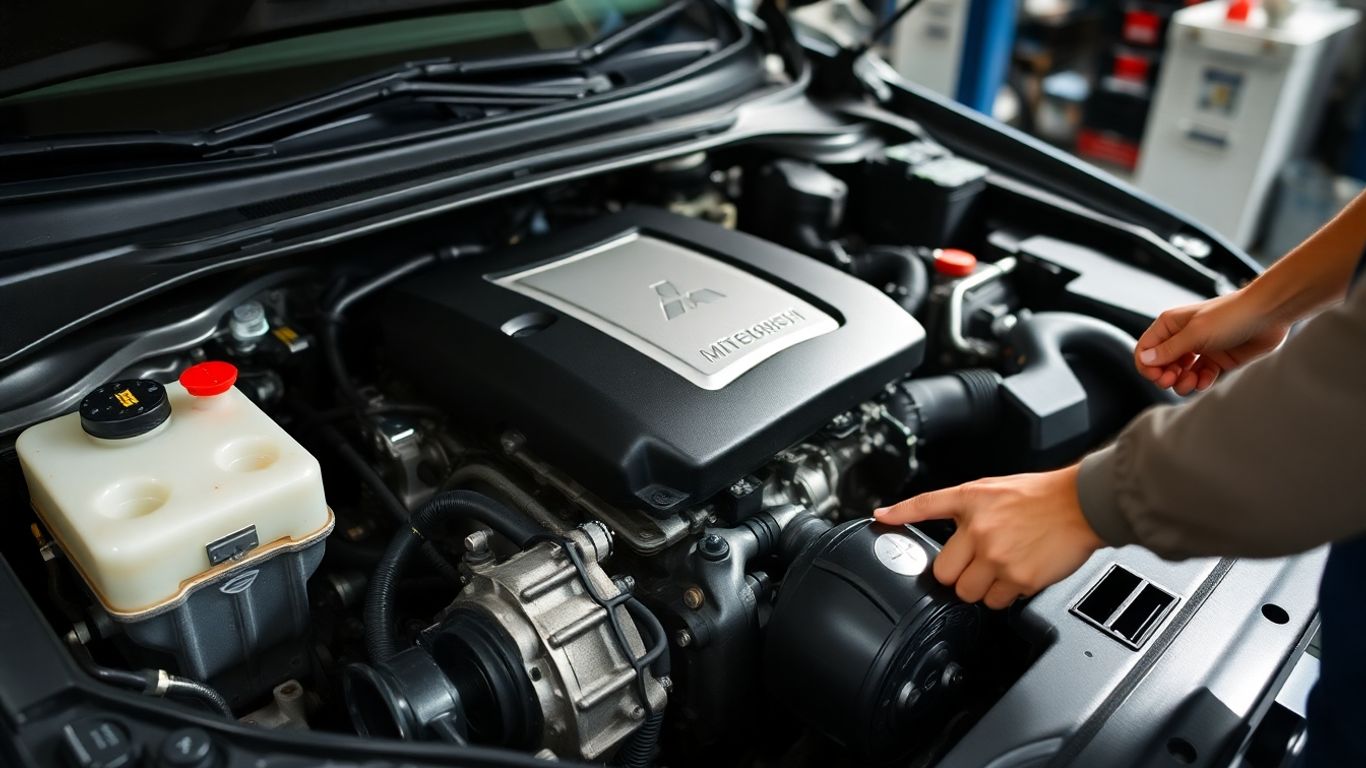
The engine in your Mitsubishi Outlander is a pretty complex piece of machinery, designed to give you a good balance of power and efficiency. Whether you have the standard gasoline engine or the hybrid setup, it’s built to last, but like any engine, it needs attention. Paying attention to how your engine sounds and feels is your first line of defense against bigger problems. Little things, like a slight change in idle or a new noise when you accelerate, can be early signs that something needs a look. Mitsubishi engines are generally reliable, but understanding the basics of what keeps yours running smoothly can save you a lot of headaches down the road.
Common Engine Issues and Solutions
Over time, Outlander engines can develop a few common issues. One frequent problem is oil leaks, often from seals or gaskets that have worn out. If you notice oil spots under your car, it’s a good idea to get it checked out before it leads to low oil levels and potential engine damage. Another thing to watch for is rough idling or a loss of power, which could point to issues with spark plugs, fuel injectors, or even the mass airflow sensor. Sometimes, it’s as simple as needing a good cleaning or a replacement part. For example, timing belt replacement is a scheduled maintenance item that, if ignored, can cause catastrophic engine failure. It’s usually recommended around specific mileage intervals, so checking your owner’s manual or asking a specialist is wise.
| Common Issue | Potential Cause | Solution |
|---|---|---|
| Oil Leaks | Worn seals or gaskets | Replace faulty seals/gaskets |
| Rough Idling/Power Loss | Spark plugs, fuel injectors, sensors | Clean or replace affected components |
| Overheating | Low coolant, faulty thermostat, water pump | Check coolant level, replace faulty parts |
| Strange Noises | Various (e.g., exhaust leak, belt issue) | Diagnostic inspection to pinpoint source |
Keeping up with regular maintenance, like oil changes and filter replacements, is the best way to prevent many common engine problems from even starting. It’s much easier and cheaper to do preventative care than to fix something that’s broken.
Specialized Engine Diagnostics
When your Outlander’s engine isn’t running right, a specialist can use advanced diagnostic tools to figure out exactly what’s going on. This goes beyond just plugging in a code reader. They can monitor live data from various sensors, check fuel pressure, and even perform compression tests to get a clear picture of the engine’s health. This detailed analysis helps pinpoint the root cause of issues like check engine lights, poor fuel economy, or unusual performance. Getting a proper diagnosis is key to making sure the right repairs are done the first time. This avoids unnecessary parts swapping and saves you money in the long run.
Comprehensive Mitsubishi Outlander Transmission Care
Transmission Diagnostics for Smooth Shifting
When your Outlander starts acting up, especially with how it shifts gears, it’s a sign that something’s not quite right with the transmission. You might notice delays when you put it in gear, or maybe the shifts themselves feel rough, jerky, or just plain clunky. Sometimes, you’ll hear weird noises coming from underneath, like whining or clunking, especially when you’re accelerating or decelerating. Paying attention to these subtle changes is key to catching transmission problems early. Ignoring them can lead to more serious damage down the road, making repairs much more expensive. Our diagnostic process involves checking the transmission fluid for its condition and level, as well as using specialized tools to read any trouble codes the transmission’s computer might be throwing. We look at how the transmission is performing under various driving conditions to pinpoint exactly what’s causing the issue.
CVT and Automatic Transmission Repairs
Mitsubishi Outlanders often come with either a Continuously Variable Transmission (CVT) or a more traditional automatic transmission. Both have their own quirks and potential problems. CVTs, while great for fuel economy and smooth acceleration, can sometimes develop issues with their belts or pulleys if not maintained properly. Automatic transmissions can suffer from worn-out clutch packs or torque converter problems. Whatever type your Outlander has, our technicians are trained to handle the repairs. We can replace worn-out parts, fix leaks, and recondition transmissions that have seen better days. We aim to get your Outlander shifting like it did when it was new.
Preventative Transmission Maintenance
Honestly, a lot of transmission troubles can be avoided with regular care. The most important thing you can do is keep up with transmission fluid changes. This fluid is like the lifeblood of your transmission; it lubricates parts, cools the system, and helps with shifting. Over time, it breaks down and gets dirty, which is when problems start. For many Outlander models, changing the CVT fluid every 40,000 to 50,000 kilometers is a good idea to keep things running smoothly. Ignoring this simple service can lead to premature wear and costly repairs later on. Regular checks also help us spot any small leaks or issues before they become big headaches. It’s much cheaper to maintain than to repair, after all.
Taking care of your transmission isn’t just about fixing it when it breaks. It’s about giving it the attention it needs to last. Regular fluid services and keeping an eye out for any odd noises or shifting behaviors can save you a lot of hassle and money in the long run. Think of it as giving your Outlander’s transmission a little TLC so it can keep you moving reliably.
Finding Top Mitsubishi Outlander Specialists
What to Look for in a Specialist
When your Mitsubishi Outlander needs some attention, finding the right shop is key. You want a place that really knows these vehicles inside and out. Look for a shop that specifically mentions Mitsubishi or Outlander service in their description. It’s a good sign if they list services like CVT transmission care or All-Wheel Control system checks, because those are specific to your Outlander. Don’t be afraid to ask questions about their experience with your particular model and any unique features it has, like hybrid systems if you have a PHEV.
Importance of Certified Technicians
Having certified technicians working on your Outlander makes a big difference. Certifications mean they’ve passed tests and shown they have the skills to work on different car systems. For a complex vehicle like the Outlander, especially if it’s a hybrid or has advanced all-wheel drive, you want someone who has proven their knowledge. It’s not just about fixing things; it’s about them knowing the right way to fix it so it lasts.
Locating Service Centers Near You
Finding a good specialist doesn’t have to be a chore. A quick online search for "Mitsubishi Outlander repair near me" is a good start. Check out the shop’s website to see what services they highlight and if they have good reviews. Sometimes, independent shops that focus on specific brands, like Mitsubishi, can offer more specialized knowledge than a general repair place. It’s worth checking out a few options to see who seems like the best fit for your Outlander’s needs.
Regular maintenance is really important for keeping your Outlander running smoothly. Sticking to the recommended service schedule, like oil changes and fluid checks, can prevent bigger, more expensive problems down the road. It’s like going to the doctor for check-ups; it helps catch things early.
| Service Type | Common Issues Addressed |
|---|---|
| Engine Diagnostics | Check engine lights, rough idling, power loss |
| Transmission Service | Slipping gears, delayed shifting, strange noises |
| Brake System Inspection | Squealing brakes, reduced stopping power, pedal feel |
| Suspension & Alignment | Uneven tire wear, pulling to one side, bumpy ride |
| Electrical System Checks | Malfunctioning lights, sensor errors, battery issues |
Specialized Mitsubishi Outlander Repair Services
Brake System Inspections and Repairs
Your Outlander’s brakes are super important for staying safe on the road, right? When they start acting up, it’s not just annoying, it’s a real safety concern. We check everything from the brake pads and rotors to the brake fluid. If you hear squealing, feel a spongy pedal, or notice it taking longer to stop, it’s time to get them looked at. We can replace worn parts and make sure your braking system is working like it should.
Suspension and Alignment Adjustments
Ever feel like your Outlander is pulling to one side, or maybe the ride feels a bit too bumpy? That could be your suspension or alignment. Hitting potholes or just regular driving can knock things out of whack. We can inspect your shocks, struts, and other suspension parts. Getting the alignment done right means your tires wear evenly and your Outlander handles better. It makes a big difference in how your car feels to drive.
Electrical System Diagnostics
Modern cars like the Outlander have a lot of complex electrical systems. From warning lights on the dashboard to issues with your power windows or infotainment system, electrical problems can be tricky. Our technicians use special tools to figure out what’s going on with the wiring, sensors, and computers. Getting these electrical gremlins sorted out keeps everything running smoothly and prevents bigger headaches down the road.
Sometimes, a small electrical issue can seem minor, but it might be a sign of something bigger. It’s always best to have it checked out by someone who knows their way around car electronics. Ignoring it could lead to more costly repairs later on.
| Component Checked | Common Issue | Solution |
|---|---|---|
| Battery | Weak or dead | Testing and replacement |
| Alternator | Not charging | Inspection and repair/replacement |
| Starter | Not engaging | Diagnosis and repair/replacement |
| Wiring | Shorts or breaks | Tracing and repairing damaged wires |
| Sensors | Malfunctioning | Testing and replacement |
Maintaining Your Mitsubishi Outlander’s Performance
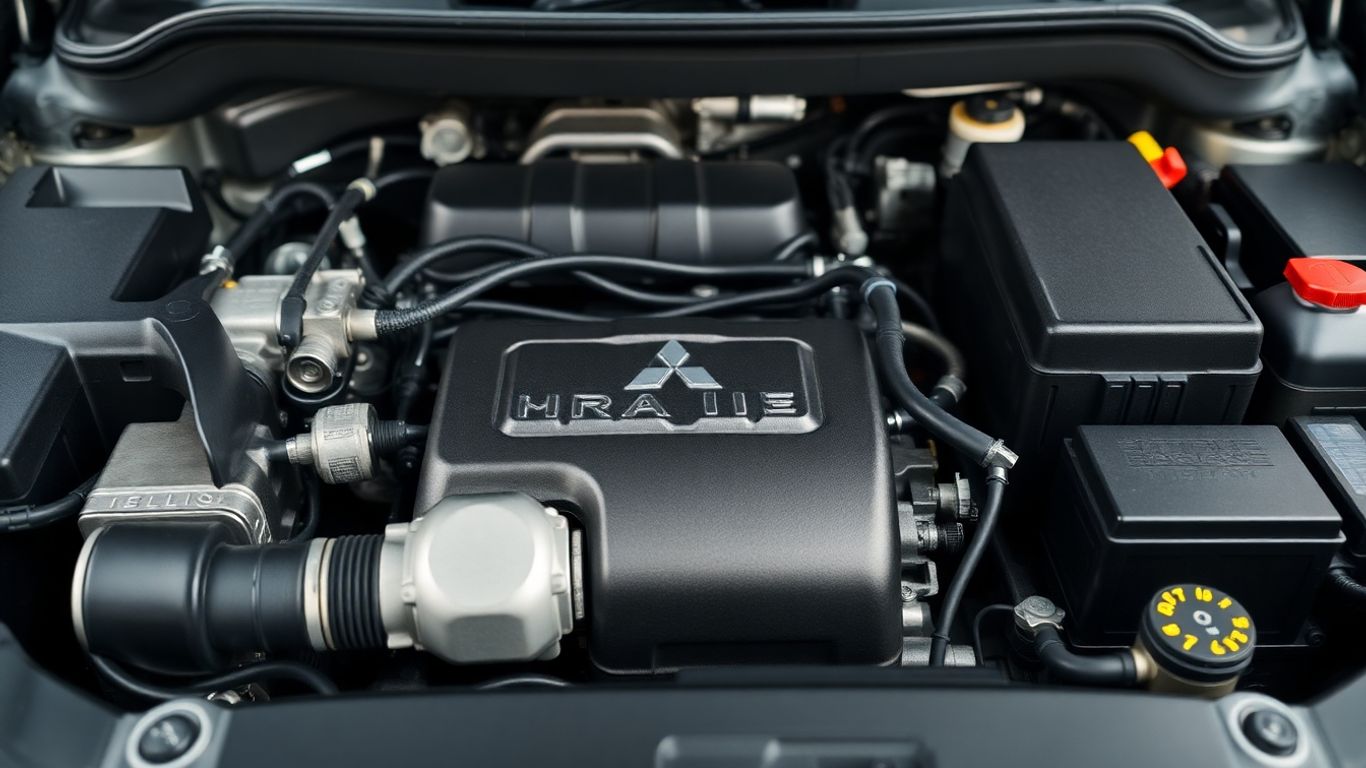
Keeping your Mitsubishi Outlander running smoothly isn’t just about fixing things when they break. It’s about staying ahead of the game with regular check-ups and fluid changes. Think of it like this: you wouldn’t run a marathon without proper training and hydration, right? Your Outlander needs the same kind of attention to keep performing its best, whether you’re commuting or heading out on an adventure.
Routine Maintenance Schedules
Sticking to a maintenance schedule is key. Mitsubishi usually suggests service every 6 months or around 8,000 kilometers, but this can change based on how you drive. If you do a lot of short trips, stop-and-go city driving, or tow things, you might need to service it a bit more often. It’s always a good idea to check your owner’s manual for the exact recommendations for your specific Outlander model and year. Ignoring these intervals can lead to bigger problems down the road, and nobody wants that.
Fluid Services for Longevity
Fluids are the lifeblood of your vehicle. Engine oil, transmission fluid, brake fluid, power steering fluid, and coolant all play a big role. For example, changing your transmission fluid, especially in CVT models, is really important. Many sources suggest doing this every 40,000 to 50,000 kilometers to avoid wear and tear. Old, dirty oil or low fluid levels can cause serious damage and lead to expensive repairs. Getting these fluids checked and replaced on time is one of the simplest yet most effective ways to protect your investment.
Cooling System Checks
Your Outlander’s cooling system keeps the engine from overheating, which can cause major damage. This involves checking the coolant level, looking for leaks in hoses and the radiator, and making sure the thermostat is working correctly. If your car starts running hotter than usual, or you notice a sweet smell, it’s a sign the cooling system needs attention. A properly functioning cooling system means your engine stays at its optimal operating temperature, no matter the weather or driving conditions.
Regular maintenance isn’t just about preventing breakdowns; it’s about preserving the vehicle’s value and ensuring a reliable driving experience for years to come. Small, consistent efforts make a big difference in the long run.
Addressing Specific Mitsubishi Outlander Challenges
All-Wheel Control (AWC) System Service
Your Outlander’s All-Wheel Control (AWC) system is pretty neat, helping you grip the road better whether it’s sunny, rainy, or even snowy. But like any complex system, it needs a little attention now and then. We check the sensors, the coupling, and the differentials to make sure everything is working right. Keeping this system in good shape means better handling and a safer drive, especially when the weather gets tricky. Ignoring it could lead to uneven tire wear or, worse, a system that doesn’t perform when you really need it.
Hybrid and PHEV System Expertise
If you’ve got a plug-in hybrid Outlander, you’ve got a whole other layer of technology under the hood. These systems combine a gasoline engine with electric motors and a battery pack. Our technicians know their way around these complex powertrains. We can handle everything from battery health checks to diagnosing issues with the charging system or the electric motor itself. It’s not just about fixing things when they break; it’s about making sure the hybrid system is working efficiently to save you fuel and keep emissions low.
Performance Tuning and Upgrades
Sometimes, you might want your Outlander to do a little more, or maybe just feel a bit sportier. We can look into performance tuning options. This isn’t just about adding a loud exhaust, though that’s an option too. We can adjust engine and transmission software to potentially improve throttle response or power delivery. It’s about making the vehicle feel more responsive to your inputs. We also handle upgrades like better air intakes or exhaust systems that can help the engine breathe a bit easier, potentially giving you a small boost in performance and a nicer sound.
When it comes to specialized systems like AWC or hybrid powertrains, it’s really best to let the pros handle it. These aren’t your typical DIY jobs, and messing with them without the right knowledge or tools can turn a small problem into a big, expensive one. Trusting a specialist means your Outlander gets the care it needs to keep running smoothly and safely, no matter what kind of roads you’re on or how you like to drive it.
Wrapping It Up
So, when your Mitsubishi Outlander starts acting up, especially with the engine or transmission, don’t just ignore it. Finding a good mechanic who knows these specific vehicles can make a huge difference. It means getting the right fix the first time and keeping your Outlander running smoothly for years to come. Take a little time to look around, ask questions, and find a shop you feel good about. Your car, and your wallet, will thank you for it.