

So, you’re looking to get your hands on some Mitsubishi Triton spare parts here in Australia? It can be a bit of a hassle trying to find the right bits, whether you’re dealing with a newer model or an older one. You want parts that fit well and don’t cost a fortune, right? We’ve put together some info to help you sort through the options, from genuine dealer parts to aftermarket alternatives, and even some certified choices. Let’s make finding what you need a little easier.
Key Takeaways
- You can find genuine, aftermarket, and Q-Part certified Mitsubishi Triton spare parts Australia wide.
- When buying parts, consider the difference between genuine OEM parts and aftermarket alternatives for your Triton.
- Many suppliers offer a wide range of parts for various Triton models, including MR, MQ, MN, ML GLX, MK, and MJ.
- Look for parts like headlights, tail lights, indicator lights, guard panels, bonnets, grilles, and front bumpers for your Triton.
- When shopping online for Mitsubishi Triton spare parts Australia, check for secure checkout and clear dispatch times.
Genuine Mitsubishi Triton Spare Parts
When you’re looking for parts for your Mitsubishi Triton, sticking with genuine parts is often the best bet. These are the parts that Mitsubishi itself designed and approved for your specific vehicle. Think of it like this: they’re made to fit perfectly and work exactly as the original ones did when your Triton rolled off the assembly line. This means you’re not just getting a replacement part; you’re getting a part that maintains the integrity and performance of your vehicle. It can save you headaches down the road, avoiding potential compatibility issues or premature wear that can sometimes come with non-genuine alternatives. Plus, using genuine parts can be important if you’re concerned about resale value or keeping your vehicle within warranty specifications. It’s about peace of mind, knowing you’re putting quality components back into your Triton.
Choosing genuine Mitsubishi Triton parts means you’re opting for components that meet the manufacturer’s exact specifications. This approach helps maintain your vehicle’s original performance and can prevent issues that might arise from using parts that aren’t a perfect match.
It’s really about getting what you pay for. While aftermarket options might seem cheaper upfront, the long-term reliability and perfect fit of genuine parts often make them a more sensible choice for keeping your Triton in top shape.
Aftermarket Mitsubishi Triton Parts
When you’re looking to replace a part on your Mitsubishi Triton, you’ve got options beyond just the factory-made stuff. Aftermarket parts are made by companies other than Mitsubishi, and they can be a really good way to save some money without sacrificing quality. Think of it like this: you can get a brand-name shirt or a really nice one from a different store that’s just as good, maybe even better for the price.
Aftermarket parts are designed to fit and function just like the original Mitsubishi parts. Many of these companies specialize in certain types of components, so they can really focus on making them well. You’ll find everything from body panels like guards and bonnets to suspension bits and even air conditioning condensers. It’s not just about saving cash, either. Sometimes, aftermarket manufacturers will even improve on the original design, making a part that lasts longer or performs a bit better.
It can feel a little overwhelming trying to figure out which aftermarket part is the right one for your specific Triton model, though. There are so many out there, and not all of them are created equal. It’s always a good idea to do a little digging, read reviews if you can find them, and maybe even ask around on Triton owner forums.
It’s really important to make sure the aftermarket part you choose is compatible with your Triton’s year and model. Getting the wrong part means more hassle and potentially more money spent trying to fix the mistake. Always double-check the part numbers and descriptions before you buy.
Q-Part Certified Parts
When you’re looking for parts for your Mitsubishi Triton, you might see the term "Q-Part Certified." What does that actually mean for you and your ute? Basically, it’s a way to know that a part has been checked out and meets certain standards. It’s not quite the same as a genuine Mitsubishi part, but it’s a step up from just any old aftermarket piece you might find. Think of it as a middle ground that offers a good balance of quality and price.
These parts have gone through some level of review, often by independent bodies or the sellers themselves, to make sure they perform as they should. This can give you a bit more confidence when you’re buying something that isn’t directly from the original manufacturer. It’s a way to avoid the really dodgy stuff out there.
It’s always a good idea to know what you’re buying. If a part is Q-Part Certified, it means it’s been vetted to meet specific quality and safety benchmarks, giving you a more reliable option compared to uncertified alternatives. This certification process helps ensure the part will function correctly and last a reasonable amount of time.
Head Lights
When your Mitsubishi Triton’s headlights aren’t cutting it anymore, whether they’re dim, cracked, or just plain old, it’s time to look for replacements. Getting the right headlights is pretty important for seeing the road and for other drivers seeing you. You can find them in a few different types. There are genuine Mitsubishi parts, which are made specifically for your Triton, so they fit perfectly and match the original quality. Then you have aftermarket options, which can sometimes be more affordable or offer different features, like brighter bulbs or different styling. It’s a good idea to check reviews for aftermarket brands to make sure you’re getting something reliable.
Headlight Assemblies
Headlight Globes
Headlight Bezels
Headlight Covers
Headlight Surrounds
Headlight Housings
Headlight Bulbs
Headlight Projectors
Headlight Lenses
Headlight Wiring Harnesses
Headlight Motors
Headlight Adjusters
Headlight Seals
Headlight Brackets
Headlight Indicators
Headlight Park Lights
Headlight DRLs
Headlight Fog Lights
Headlight High Beam
Headlight Low Beam
Headlight Daytime Running Lights
Headlight Assemblies (Left Hand Side)
Headlight Assemblies (Right Hand Side)
Headlight Globes (Left Hand Side)
Headlight Globes (Right Hand Side)
Headlight Bezels (Left Hand Side)
Headlight Bezels (Right Hand Side)
Headlight Covers (Left Hand Side)
Headlight Covers (Right Hand Side)
Headlight Surrounds (Left Hand Side)
Headlight Surrounds (Right Hand Side)
Headlight Housings (Left Hand Side)
Headlight Housings (Right Hand Side)
Headlight Bulbs (Left Hand Side)
Headlight Bulbs (Right Hand Side)
Headlight Projectors (Left Hand Side)
Headlight Projectors (Right Hand Side)
Headlight Lenses (Left Hand Side)
Headlight Lenses (Right Hand Side)
Headlight Wiring Harnesses (Left Hand Side)
Headlight Wiring Harnesses (Right Hand Side)
Headlight Motors (Left Hand Side)
Headlight Motors (Right Hand Side)
Headlight Adjusters (Left Hand Side)
Headlight Adjusters (Right Hand Side)
Headlight Seals (Left Hand Side)
Headlight Seals (Right Hand Side)
Headlight Brackets (Left Hand Side)
Headlight Brackets (Right Hand Side)
Headlight Indicators (Left Hand Side)
Headlight Indicators (Right Hand Side)
Headlight Park Lights (Left Hand Side)
Headlight Park Lights (Right Hand Side)
Headlight DRLs (Left Hand Side)
Headlight DRLs (Right Hand Side)
Headlight Fog Lights (Left Hand Side)
Headlight Fog Lights (Right Hand Side)
Headlight High Beam (Left Hand Side)
Headlight High Beam (Right Hand Side)
Headlight Low Beam (Left Hand Side)
Headlight Low Beam (Right Hand Side)
Headlight Daytime Running Lights (Left Hand Side)
Headlight Daytime Running Lights (Right Hand Side)
Tail Lights
When your Mitsubishi Triton’s tail lights aren’t cutting it anymore, whether they’re cracked, faded, or just not bright enough, it’s time to look for replacements. Finding the right tail lights is pretty important for safety, you know, so other drivers can see you stopping or turning. You can get genuine Mitsubishi parts, which are made specifically for your Triton, or you can go for aftermarket options. Aftermarket ones can sometimes be a bit cheaper, and there are loads of different styles out there if you want to change the look of your ute.
It’s a good idea to check the specific model and year of your Triton when you’re shopping around, as tail lights aren’t always interchangeable between different generations.
Sometimes, a tail light might just need a new bulb, but if the housing is damaged or the lens is really cloudy, a full replacement is usually the way to go. It’s not a super complicated job for most people, but if you’re not comfortable with it, a mechanic can sort it out pretty quickly.
Here’s a quick look at what you might find:
| Type of Tail Light Part | Common Issues | Replacement Considerations |
|---|---|---|
| Complete Tail Light Assembly | Cracked lens, water ingress, burnt-out internal LEDs/bulbs | Ensure compatibility with Triton model/year, check for E-mark/DOT compliance |
| Tail Light Lens Cover | Fading, hazing, cracks | Often available separately for older models, requires careful sealing upon installation |
| Tail Gate Lights | Damage from impacts, wiring issues | Specific to tailgate mounting, check for proper fitment and electrical connection |
| Rear Bumper Bar Lights & Reflectors | Impact damage, faded reflectors | Integrated into bumper, may require bumper removal for access, reflectors are safety critical |
Indicator Lights
When your Mitsubishi Triton’s indicator lights aren’t working right, it’s not just annoying, it’s a safety issue. These lights are how you tell other drivers what you’re planning to do, like changing lanes or turning. If they’re dim, flicking erratically, or just plain dead, other cars might not see you coming, and that can lead to trouble.
Front Indicator Lights
These are usually found in the front bumper or near the headlights. They’re the first ones people see when you’re signaling a turn or lane change from the front. Keeping these in good shape is pretty important for road safety. You can find replacements that match your Triton’s original look or maybe something a bit different if you want to change the style.
Guard Indicators/Repeaters
These are the smaller lights often mounted on the side of the front guards, just behind the wheel arch. They give other drivers a heads-up about your intentions when they’re alongside you. If yours are cracked or faded, replacing them is a straightforward way to keep your Triton looking sharp and signaling clearly.
Rear Indicator Lights
These are part of the tail light assemblies at the back of your Triton. They work in tandem with the front indicators to signal your turns. If the rear indicators are out, drivers behind you won’t know if you’re turning or going straight, which is a big problem, especially in busy traffic or at night. Making sure these are bright and functional is key.
Indicator Light Assemblies
Sometimes, it’s not just a bulb that’s gone. The whole housing, or assembly, might be damaged from a bump or just worn out from sun exposure. You can get complete assemblies that include the lens, housing, and sometimes even the wiring connectors. This makes the replacement process simpler, especially if multiple parts of the original unit are damaged.
Bulb Types
Most indicator lights use standard bulb types, but it’s always good to check your Triton’s manual or the old bulb itself to be sure. Common types include amber incandescent bulbs, but newer models might use LED units. LEDs are brighter and last much longer, but they can sometimes require a different type of flasher relay to work correctly because they draw less power. If you’re upgrading, make sure you get the right components to avoid issues like hyper-flashing (where the indicators blink way too fast).
Keeping your indicator lights in good working order is a simple but effective way to stay safe on the road. It’s one of those things that’s easy to overlook until it’s too late, so a quick check now and then can save a lot of hassle.
Guard Panels
When you’re looking to replace or upgrade the guard panels on your Mitsubishi Triton, you’ve got a few different types of parts to consider. These aren’t just about looks, though they can certainly change how your Triton presents itself. They play a role in protecting the bodywork from road debris and can affect airflow too.
The right guard panels can make a big difference in keeping your Triton’s paintwork looking sharp. You’ll find everything from the main fender panels themselves to the inner liners that keep mud and water from spraying up into the engine bay or suspension components. Then there are the decorative bits like guard moulds and flares, which can add a bit of rugged style or accommodate larger tires.
It’s not just about the big pieces, either. Little things like guard liner clips are important for keeping everything in place. Lose a few of those, and you might end up with a flapping liner that’s just asking for trouble.
Replacing guard panels can sometimes be a bit fiddly. You might need to deal with a bunch of clips and bolts, and getting everything lined up just right can take some patience. If you’re not used to this kind of work, it might be worth checking out a few videos first or even getting a hand from someone who’s done it before.
Bonnet
The bonnet of your Mitsubishi Triton is more than just a cover; it’s a key part of the vehicle’s structure and aerodynamics. Over time, or after an incident, you might need to replace it or some of its components. Finding the right bonnet means looking for one that fits your specific Triton model and year, ensuring proper alignment and function.
Getting the right bonnet is important for both the look and the safety of your vehicle. It protects the engine bay from the elements and contributes to the overall shape of the truck. If yours is damaged, whether from a minor fender bender or wear and tear, replacing it is a good idea. You can find new bonnets, sometimes made from different materials for weight savings, or used ones if you’re on a tighter budget.
When looking for a replacement bonnet, always double-check the compatibility with your Triton’s generation. Small differences can mean it won’t fit quite right, leading to alignment issues or gaps.
Bonnet Hinges
Bonnet Latches
Bonnet Clips
Bonnet Struts
Bonnet Parts
Grilles
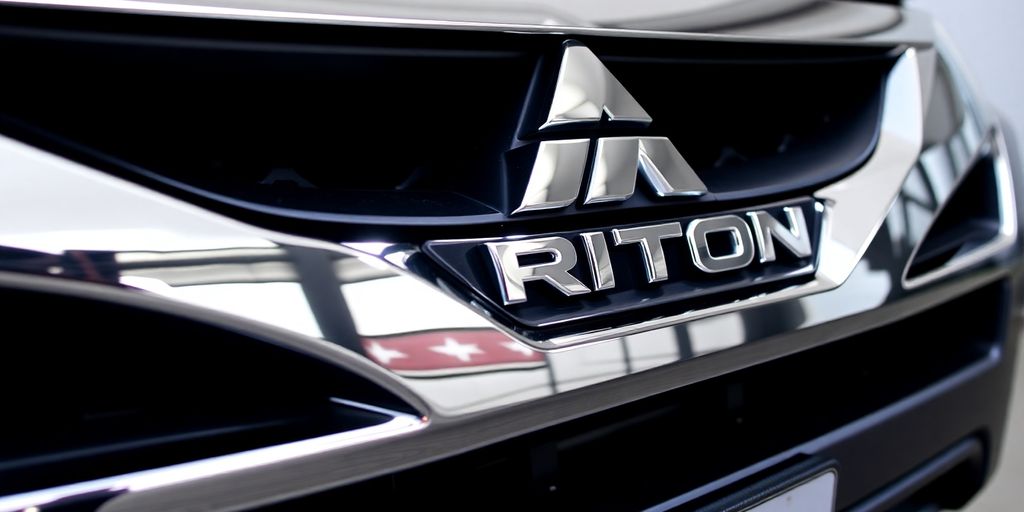
The grille on your Mitsubishi Triton isn’t just about looks, though it certainly adds to the truck’s tough appearance. It’s a pretty important piece of the puzzle, really. It helps direct airflow to the radiator and engine bay, keeping things cool and running right. If yours is cracked, missing, or just looking rough from a bit of off-road action, it’s definitely worth looking into a replacement.
When you’re shopping for a new grille, you’ll find a few different types. There are the main grille assemblies that make up the big opening at the front, and then there are smaller grilles or vents that might be part of the bumper itself. You can also get just the surround if the main mesh part is okay. Don’t forget about the little bits and pieces, like grille clips, which are super handy if yours have gone missing or broken. And of course, there are the emblems and badges that often sit right in the middle – a new one can really freshen up the front end.
Replacing a grille can be a straightforward job, but sometimes those clips can be stubborn, or you might need a few specific tools to get the old one out without damaging anything else. It’s always a good idea to check if the new grille comes with any mounting hardware or if you need to grab that separately.
Here’s a breakdown of what you might find when looking for Triton grilles:
| Part Type | Description |
|---|---|
| Grille Assemblies | The main front grille structure. |
| Front Bumper Grilles | Smaller grilles integrated into the bumper. |
| Grille Surrounds | The frame or trim around the main grille. |
| Grille Emblems/Badges | The Mitsubishi logo and model nameplates. |
| Grille Clips | Fasteners used to secure the grille in place. |
| Grille Mould | Trim pieces that might attach to the grille. |
| Front Bumper Vents | Openings in the bumper for airflow or fog lights. |
So, whether you’re after a factory-style replacement or something a bit different to customize your Triton, there are plenty of options out there to get your truck looking sharp again.
Front Bumpers
When you’re looking to replace or upgrade the front bumper on your Mitsubishi Triton, there are quite a few bits and pieces that fall under that umbrella. It’s not just the main cover, you know? You’ve got things like bumper bars, which are the sturdy frames that actually take the impact. Then there are the vents and grilles, which help with airflow to the engine and radiator. Don’t forget the smaller bits like tow covers and stone shields that protect the underside and the radiator from road debris. If you’ve got a more rugged look, flares and moulds can also be part of the bumper assembly. Even the reinforcement and absorber behind the main bumper cover are important for safety. Getting the right parts means your Triton will look good and stay protected.
It can be a bit confusing trying to figure out exactly what you need, especially when different models might have slightly different designs. Sometimes a part that looks similar might not fit quite right, so it’s always best to double-check compatibility with your specific Triton year and model.
Front Bumper Bars
Front Bumper Vents & Grilles
Stone Shields & Tow Covers
Front Reinforcement & Absorber
Front Bumper Flares & Moulds
Suspension Parts
When your Mitsubishi Triton starts feeling a bit rough on the road, it’s probably time to look at the suspension. This isn’t just about comfort, though; it’s about keeping your tires planted and your ride stable, especially if you’re hauling gear or hitting some rougher tracks.
Suspension Bushes
These little rubber or polyurethane bits are everywhere in your suspension system. They soak up vibrations and stop metal-on-metal contact. Over time, they can crack or wear out, leading to clunks and a less controlled feel. Replacing them can make a surprising difference.
Suspension Control Arms
Control arms connect your wheels to the chassis. They allow for steering and suspension movement. If yours are worn, you might notice uneven tire wear or a wandering steering wheel. There are usually upper and lower ones, front and rear, each playing a role in how your Triton handles.
Front Coil Springs
These are the heavy-duty springs that support the front of your Triton. If they sag or break, you’ll notice the front end sitting lower, which affects handling and can cause bottoming out.
Front Shock Absorbers
Shocks work with the springs to control bouncing. Worn-out front shocks mean your Triton might feel floaty, especially over bumps, and the front end could dive excessively under braking.
Rear Coil Springs
Similar to the front, these support the rear of your vehicle. Sagging rear springs can reduce your load capacity and make the ride bouncy.
Rear Shock Absorbers
These control the up-and-down motion of the rear wheels. If they’re leaking or worn, you’ll likely feel excessive bouncing in the rear, particularly when the tray is loaded.
Suspension Rear Leaf Spring Shackle
For Tritons with leaf springs in the rear, the shackle is a pivot point. Wear here can lead to noise and affect how the suspension flexes, especially under load or on uneven terrain.
A/C Condensers
When your Mitsubishi Triton’s air conditioning system isn’t blowing cold air like it used to, the A/C condenser is often the culprit. This part is basically the radiator for your AC system. It’s where the hot refrigerant gas releases its heat to the outside air, turning it into a high-pressure liquid. If it’s damaged, clogged, or just worn out, your AC won’t work right.
A faulty A/C condenser can lead to a noticeable drop in cooling performance, or even a complete failure of the air conditioning. You might notice warmer air coming from the vents, or perhaps a strange smell. Sometimes, a leak in the condenser can cause the refrigerant to escape, which is bad for both your AC and the environment.
Finding the right A/C condenser for your specific Triton model is important. They’re designed to fit precisely and handle the pressures and temperatures involved in your vehicle’s AC system. Using the wrong part could lead to further damage or poor performance.
Keeping your A/C condenser in good shape means your Triton stays comfortable, no matter how hot it gets outside. Regular checks can help catch problems early.
MR (10/2018-Current)
The Mitsubishi Triton MR, produced from October 2018 right up to the present day, represents the latest iteration of this popular ute. If you’re looking to keep your MR Triton running smoothly or perhaps upgrade certain components, finding the right parts is key. You’ll want to focus on parts specifically designed for this generation to ensure a proper fit and optimal performance. Whether you’re after genuine Mitsubishi parts or reliable aftermarket options, there’s a good selection available across Australia. Think about what you need – maybe it’s a new headlight assembly because of a minor fender bender, or perhaps you’re looking to replace worn-out suspension components to get that factory ride back. It’s always a good idea to double-check the exact build date of your MR Triton, as sometimes minor variations can occur even within the same model year. This helps avoid any confusion when ordering.
When sourcing parts for your MR Triton, consider the specific needs of your vehicle. Factors like driving conditions and intended use can influence whether genuine or aftermarket parts are a better choice. Always verify compatibility before making a purchase to save yourself time and potential hassle.
MQ (4/2015-10/2018)
The Mitsubishi Triton MQ generation, which ran from April 2015 to October 2018, saw a significant update for the popular ute. If you’re driving one of these, finding the right parts is key to keeping it running smoothly. Many owners find that sourcing parts for this specific model requires a bit of attention to detail, especially when looking for genuine Mitsubishi components.
When you’re looking for parts for your MQ Triton, you’ll want to consider the specific variant you have. For example, there were different configurations like the single cab GLX, double cab GLS, and the higher-spec Exceed models. Each of these might use slightly different components, particularly for body panels, lights, and suspension.
It’s also worth noting the engine and drivetrain. Most MQ Tritons came with a 2.4L turbo diesel engine, available in both 4×2 and 4×4 configurations, with either manual or automatic transmissions. Parts like radiators, air conditioning condensers, and even some engine mounts can vary based on these specifications.
Keeping your MQ Triton in good shape means paying attention to the details. Whether it’s a minor body repair or a more involved mechanical fix, having the correct part makes all the difference. It’s not just about getting it done; it’s about getting it done right so your ute performs as it should.
Here’s a quick look at some common parts you might need for the MQ Triton:
| Part Category | Common Variants/Notes |
|---|---|
| Headlights | Halogen or LED options depending on trim level. |
| Tail Lights | Standard red tail lights, some models may have LED upgrades. |
| Guard Panels | Front and rear guards, specific to cab style. |
| Bonnet | Standard bonnet, check for any subtle design differences. |
| Grilles | Front grille designs vary between GLS, Exceed, and GLX. |
| Front Bumpers | Different designs for standard and more rugged trims. |
| Suspension Parts | Shocks, springs, control arms – check 4×2 vs 4×4. |
| A/C Condensers | Ensure compatibility with your specific engine and setup. |
Remember to always double-check part numbers against your vehicle’s VIN to ensure a perfect fit. This is especially true for electrical components and body panels.
MN
The Mitsubishi Triton MN generation, which ran from roughly August 2009 to March 2015, is a solid workhorse that many Aussies still rely on. Finding parts for these trucks is pretty straightforward, whether you’re after genuine Mitsubishi bits or reliable aftermarket options.
When you’re looking for parts, it’s good to know the specific model year and whether it’s a 4×2 or 4×4, single or dual cab. This helps narrow down exactly what you need. For instance, a common part like a headlight assembly might differ slightly between early and late MN models.
Keeping your MN Triton in good shape means paying attention to wear and tear, especially on suspension components and body panels. Regular checks can save you from bigger headaches down the road.
Prices can vary quite a bit depending on whether you go for genuine or aftermarket. Genuine parts often come with a higher price tag but offer that factory fit and finish. Aftermarket parts can be a more budget-friendly choice, and many are made to meet or exceed original specifications. It’s always a good idea to compare prices and read reviews if you’re unsure about an aftermarket brand.
ML GLX
The Mitsubishi Triton ML GLX, produced roughly between 2006 and 2009, was a popular choice for many Australian drivers. Finding parts for these trucks is still quite common, and thankfully, there are options available. Whether you’re looking for something to keep it running smoothly or to replace a worn-out component, knowing what fits is key.
Many of the parts for the ML GLX are specific to its engine and body style. This means a part for a 2WD petrol model might not work on a 4WD diesel, for example. It’s always a good idea to double-check compatibility before you buy.
Here’s a look at some of the common configurations you might find parts for:
| Model Configuration | Engine | Drivetrain | Body Style | Production Dates |
|---|---|---|---|---|
| GLX | 2.5L Turbo Diesel | 4×2 | Pick-Up | 1/2008-8/2009 |
| GLX | 2.5L Turbo Diesel | 4×2 | Pick-Up | 1/2008-8/2009 |
| GLX | 3.2L Turbo Diesel | 4×4 | Pick-Up | 7/2006-8/2009 |
| GLX | 3.2L Turbo Diesel | 4×4 | Pick-Up | 7/2007-8/2009 |
| GLX | 3.5L Petrol | 4×2 | Pick-Up | 10/2006-8/2009 |
| GLX | 3.5L Petrol | 4×4 | Pick-Up | 10/2006-8/2009 |
| GLX | 3.5L Petrol | 4×2 | Pick-Up | 10/2006-8/2009 |
| GLX | 3.5L Petrol | 4×4 | Pick-Up | 7/2006-8/2009 |
| GLX | 3.5L Petrol | 4×2 | Cab Chassis | 10/2006-8/2009 |
| GLX | 2.5L Turbo Diesel | 4×2 | Cab Chassis | 1/2008-8/2009 |
| GLX | 3.2L Turbo Diesel | 4×4 | Cab Chassis | 7/2006-8/2009 |
| GLX | 3.2L Turbo Diesel | 4×4 | Cab Chassis | 7/2006-8/2009 |
| GLX | 3.5L Petrol | 4×2 | Cab Chassis | 10/2006-8/2009 |
When you’re looking for parts, especially for older models like the ML GLX, it’s really important to get the exact details right. Things like the engine size, whether it’s 2WD or 4WD, and even the specific month and year of manufacture can make a difference in what part you need. Don’t just guess; check your vehicle’s VIN or consult a parts specialist if you’re unsure.
MK
When you’re looking for parts for your Mitsubishi Triton, especially the MK generation which ran from October 1996 to June 2006, you’re dealing with a solid truck that’s seen its share of work. Finding the right bits for these models means you’re probably going to be looking at a mix of genuine OEM parts and aftermarket options. It’s not always easy to track down specific parts for older vehicles, but there are still plenty of places that stock them.
The MK Triton is a popular choice for those who need a reliable workhorse. Whether you’re replacing a worn-out component or upgrading something, knowing where to look is key. You might find that some parts are more readily available than others, depending on what exactly you need. For instance, common wear-and-tear items like filters or brake pads are usually easy to find, but more specific body panels or engine components might require a bit more searching.
It’s always a good idea to double-check the exact model year and specifications of your Triton before ordering parts. Sometimes, even within the same generation, there can be slight variations that affect part compatibility. A quick VIN check can save you a lot of hassle down the line.
When you’re comparing prices, remember to factor in shipping costs if you’re ordering online. Sometimes, a slightly higher price from a local supplier can be better if it means getting the part quickly and avoiding shipping fees. It really depends on how urgently you need the component.
MJ
When you’re looking for parts for your Mitsubishi Triton, especially older models like the MJ series, it can feel like a treasure hunt. These trucks were built tough, but time and wear mean parts eventually need replacing. The MJ Triton, which ran for a good stretch, is no exception. Finding the right components means you can keep your vehicle running smoothly for years to come.
It’s important to know that parts availability can vary greatly for these older models. You might find genuine Mitsubishi parts are harder to come by, and aftermarket options become more common. This isn’t necessarily a bad thing, as many aftermarket manufacturers produce quality components that meet or even exceed original specifications. However, it does mean you need to be a bit more diligent in checking the quality and compatibility of what you’re buying.
When sourcing parts for your MJ Triton, consider looking at specialized suppliers who focus on older Japanese vehicles. They often have a better understanding of what’s needed and can help you track down those harder-to-find items. Don’t forget to check part numbers carefully against your vehicle’s VIN to make sure you’re getting exactly what you need. It saves a lot of hassle down the line.
MR
The Mitsubishi Triton MR generation, which covers models from October 2018 right up to the present day, brought some significant updates to the lineup. When you’re looking for parts for your MR Triton, you’ll find a mix of genuine and aftermarket options available across Australia. Genuine parts are made by Mitsubishi and are designed specifically for your vehicle, so they fit perfectly and meet the company’s quality standards. Aftermarket parts, on the other hand, are made by other companies. They can be a good way to save money, and many are made to high standards too, but it’s always a good idea to check reviews or ask for recommendations.
Finding the right parts for your MR Triton is key to keeping it running smoothly. Whether you need something common like a replacement headlight or a more specific component for the suspension, there’s a good chance you can find it. The MR series saw changes in its design and some of its internal components compared to earlier models, so make sure the parts you’re buying are listed as compatible with your specific year and trim level.
It’s not uncommon for owners to look for parts that might offer a slight upgrade over the original equipment, especially for things like lighting or suspension. Just be sure to research any aftermarket brands you’re considering to make sure they have a good reputation for durability and performance.
MQ
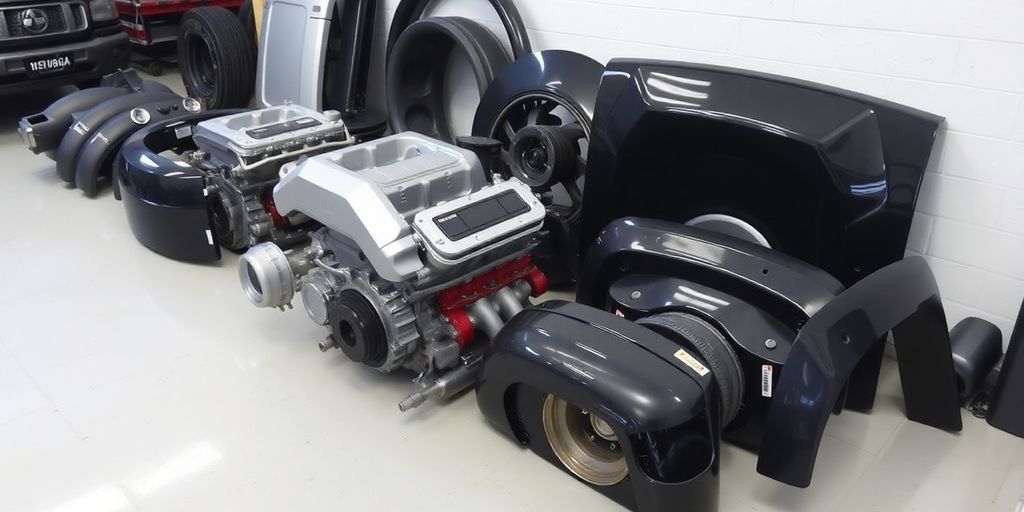
The Mitsubishi Triton MQ, which ran from April 2015 to October 2018, was a pretty popular ute. If you’re still driving one of these and need to swap out a part, you’ve got options. Finding the right replacement part for your MQ Triton is key to keeping it running smoothly. Whether you’re looking for something original from Mitsubishi or a more budget-friendly aftermarket choice, there’s a good chance you can find what you need across Australia.
Think about what you need. Is it a common wear-and-tear item like brake pads, or something more specific like a radiator? Knowing the exact part number or the function of the part you need will make your search much easier. Many suppliers will list compatibility by year and model, so double-checking that it fits your specific MQ Triton is always a good idea.
When you’re hunting for parts, remember that different types of parts exist. Genuine parts are made by Mitsubishi, aftermarket parts are made by other companies, and sometimes you’ll see certified or reconditioned parts. Each has its own pros and cons regarding price, quality, and warranty.
4X4
When you’re looking for parts for your Mitsubishi Triton 4×4, it’s good to know what you’re getting. The 4×4 system on these trucks is pretty solid, but like any vehicle, parts can wear out or break. Whether you’re tackling tough terrain or just need to replace a worn component, finding the right 4×4 parts is key to keeping your Triton performing as it should.
Many Triton 4×4 models use a 2.4L 4-cylinder turbo diesel engine, and the specific parts you need will depend on the exact year and configuration of your vehicle. It’s not just about the engine, though. Think about the transfer case, differentials, driveshafts, and the suspension components that handle the extra stress of off-road use. These are all areas where you might need replacement parts.
Here’s a quick look at some common 4×4 Triton variants and their general build periods, which can help when searching for parts:
| Model Series | Production Years | Common Configurations |
|---|---|---|
| MR | 10/2018 – Current | Double Cab Utility, Cab Chassis (2Dr/4Dr) |
| MQ | 4/2015 – 10/2018 | Double Cab Utility, Cab Chassis (2Dr/4Dr) |
| MN | 2009 – 2015 | Double Cab Utility, Single Cab Utility, Cab Chassis |
| ML | 2006 – 2009 | Double Cab Utility, Single Cab Utility, Cab Chassis |
| MK | 1996 – 2006 | Various Utility and Cab Chassis models |
| MJ | 1986 – 1996 | Various Utility and Cab Chassis models |
It’s always best to double-check your vehicle’s VIN or consult with a parts specialist to confirm compatibility. Getting the right part the first time saves a lot of hassle.
Keeping Your Triton Running Smoothly
So, whether you’re looking for a specific part to fix a minor issue or just want to keep your Triton in top shape, finding the right bits across Australia is totally doable. Remember to check out reputable suppliers who offer both genuine and quality aftermarket options. It really makes a difference when you know you’re getting parts that fit well and will last. Don’t forget to compare prices and check for warranties, too. Getting your Triton back on the road, or just keeping it looking good, doesn’t have to be a headache.