Key Takeaways
Selecting a local service for your vehicle salvage needs significantly impacts both the regional economy and your own convenience. Here are the primary points to keep in mind:
- Local wreckers offer cost-effective and sustainable ways to manage end-of-life vehicles.
- Professional certification and transparent history are key indicators of a reputable business.
- Understanding the individual value of parts like engines or gearboxes helps secure fair pricing.
- Modern vehicle salvage requires specialized knowledge to handle electrical and hybrid systems safely.
- Proper document preparation and site clearance make the collection process smoother and quicker.
Benefits of using local Mitsubishi wreckers
Opting for local services near the Central Coast provides a streamlined experience for those transitioning their older vehicles out of commission. When you stay local, you reduce the logistical burden of moving large assets across long distances. This commitment to local industry strengthens the regional supply chain and ensures that valuable resources remain accessible to nearby mechanics and hobbyists.
Cost-effective access to genuine parts
Local wreckers often hold a diverse collection of components pulled from retired vehicles that are still perfectly functional. By sourcing parts locally, owners avoid the inflated prices often associated with shipping components from major regional hubs. Having a direct connection to these supplies keeps repair costs manageable for ongoing vehicle maintenance.
Reduced transport and logistics costs
Shipping heavy car parts or transporting a non-functioning vehicle across large distances creates significant expense. By dealing with regional services, you minimize the mileage and labor required for transit. This proximity naturally lowers the bottom line for your service requirements.
Supporting the local Central Coast circular economy
The practice of dismantling and re-purposing vehicle parts is a pillar of the local sustainable economy. Keeping these operations within our immediate region encourages the reuse of raw materials and functional hardware rather than simply sending everything to a landfill. It represents a practical approach to waste reduction that benefits the entire community.
How to identify a reputable Mitsubishi wrecker on the Central Coast
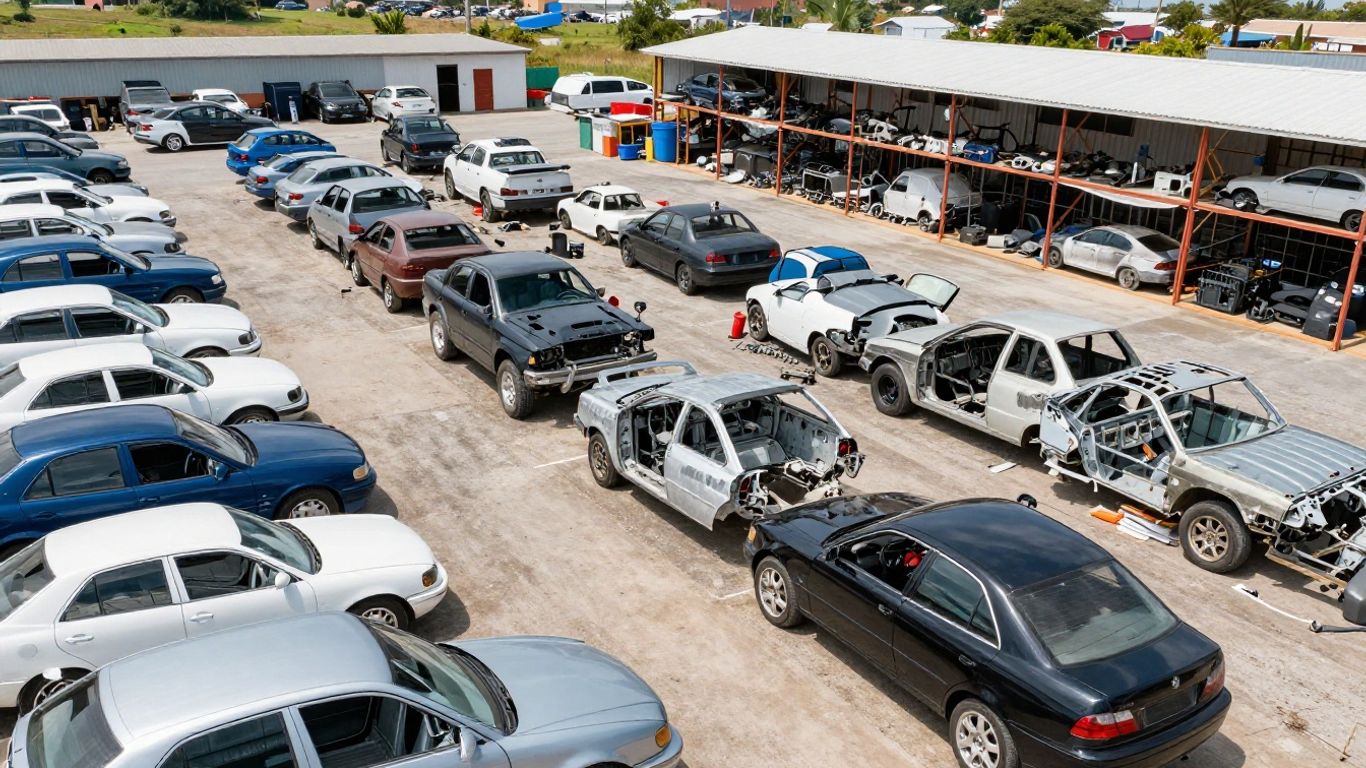
Selecting the right partner for your vehicle decommissioning requires a bit of scrutiny regarding their business operations. You want to ensure the facility follows established protocols, which protects you from issues related to improper disposal or unauthorized handling. A reputable business will be transparent about their processes and professional in every interaction.
Verifying licenses and certifications
A legitimate operation should always provide proof of their current business licenses and valid environmental certifications. These documents serve as a baseline for safety and legal compliance in New South Wales. You should feel comfortable asking for these details during your initial inquiry to verify they operate within current laws.
Checking customer reviews and online reputation
Looking at feedback from other customers provides a glimpse into the reliability of the yard you are considering. Consistency in positive service, timely communication, and professional conduct are markers of a business that values its local standing. This simple research helps avoid unreliable operators and provides peace of mind before you hand over your keys.
Assessing the scope of spare parts inventory
An extensive inventory demonstrates that a yard is well-established and capable of managing a wide variety of models. When a wrecker maintains a large stock, it indicates their technical proficiency and ability to identify which components retain value. You can compare the variety of their stock by observing the range of vehicle years and types included in their catalog.
| Assessment Category | Expected Standard | Benefit to Customer |
|---|---|---|
| Safety Certification | Valid and Updated | Ensures legal handling |
| Inventory Depth | Multiple Recent Models | Higher chance of matching parts |
| Service Turnaround | Under 48 Hours | Faster clearance times |
This table illustrates exactly what a professional operation prioritizes, which helps you verify that your chosen wrecker maintains an efficient work environment for all its clients.
Understanding the value of your damaged Mitsubishi
Before you reach out to a business, it is helpful to have a basic grasp of the factors that determine a vehicle’s value. Not every damaged model is the same, and different parts possess varying levels of demand in the secondhand market. Being informed allows for a more constructive conversation during the appraisal process.
Factors affecting scrap metal pricing
Scrap pricing is generally tied to current market rates for various metals, such as steel and aluminum. However, these rates can shift based on global demand and regional transportation costs. These market fluctuations mean that the value of your vehicle as raw material might vary slightly over time.
Assessing the condition of reusable components
A vehicle’s true value is often hidden beneath the hood, where functional components like gearboxes and electrical sensors remain highly sought after by those performing their own repairs.
This insight is why assessing specific parts is so crucial rather than looking only at the overall weight. When key mechanical pieces are in good shape, the final valuation often reflects the potential for resale rather than just the scrap value of the frame and body.
Preparing an accurate description for the wrecker
Providing detailed information about your car, such as its exact model year, specific damage, and whether major components are still intact, simplifies the quoting process. Honesty regarding the vehicle’s history ensures that both the wrecker and the owner have realistic expectations before the tow truck even arrives.
Navigating the salvage process for modern Mitsubishi models
Modern vehicles are significantly more complex than those from a few decades ago due to advancements in integrated computing. These advancements are a necessary step for successful salvage because they require technicians to distinguish between standard hardware and sensitive electronic systems. Dealing with these technologies safely requires professional experience.
Challenges with hybrid and electric drivetrains
Hybrid and electric systems involve high-voltage batteries that require specific handling protocols to prevent safety risks. Dismantling these units is not something a standard tow operator should attempt without expert training and proper isolation equipment. Ensuring that the wrecker has expertise specifically for these systems is critical for safety.
Managing onboard computer systems and hardware
Modern cars often have interconnected computers that control everything from engine performance to safety features. Salvaging these components requires careful extraction to ensure they are not damaged during the removal process. Professionals will use specific software tools to reset or prepare these parts for potential future use.
Specialized handling for Mitsubishi turbocharged engines
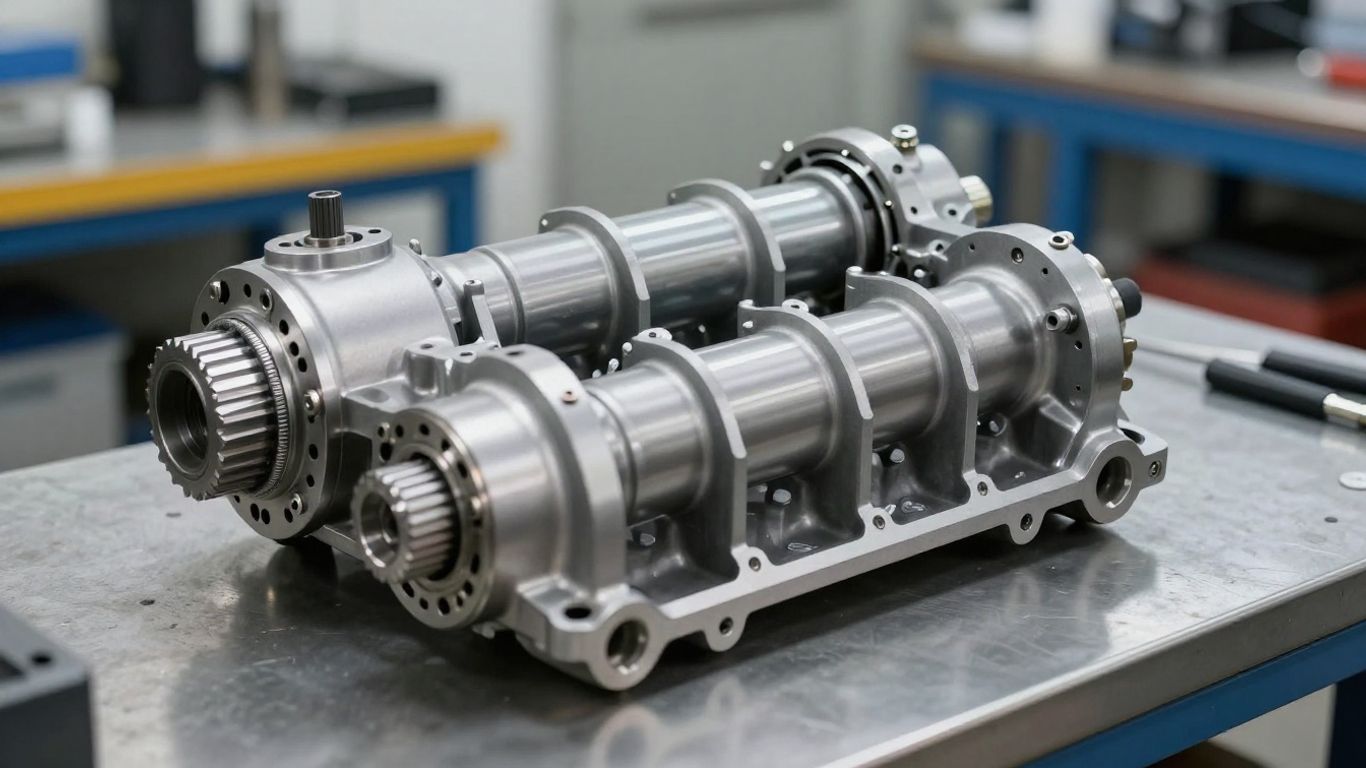
Turbocharged engines are finely tuned pieces of equipment that require careful removal to ensure their integrity. If these components are handled roughly, their value can plummet, which is why specialized tools are designed to extract these units while maintaining their calibration. This focus on care ensures that these engines can provide further service in another vehicle.
Environmental and safety standards in auto wrecking
Operating an auto salvage yard carries a heavy responsibility regarding the prevention of environmental contamination. Fluids and hazardous materials must be managed throughout the decommissioning phase to meet local requirements. This focus on ecological safety protects local water systems and soil health.
Proper disposal of hazardous vehicle fluids
Various oils, coolants, and brake fluids need to be carefully drained and stored before a car is shredded or dismantled. These materials are toxic if they enter the ground, so professional wrecking yards use containment systems that prevent any risk of leaks. The systematic capture of these fluids is standard in any accredited facility.
Compliance with New South Wales EPA regulations
Adhering to state-level environmental regulations is mandatory for any facility working with end-of-life vehicles. These rules cover everything from noise prevention to waste management practices for heavy metals. Choosing a compliant business ensures that you are supporting an enterprise that respects the regional ecosystem.
Dismantling procedures for vehicle batteries
Batteries contain lead and acids that require specialized disposal routes to avoid environmental hazards. Responsible operators have dedicated protocols for removing these units safely and sending them for recycling through certified channels. This prevents dangerous waste from building up in the scrapyard.
How to prepare your vehicle for removal
Preparing your car for collection doesn’t require a lot of time, but it does require attention to detail. Clearing out your space ensures that nothing of value is left behind by mistake. This preparation makes the final transition of your vehicle simple and stress-free.
Removing personal belongings and sensitive documents
It is common for owners to keep old insurance papers, registration slips, or personal items in the glove box or center console. Before the day of the pickup, take a final pass through the entire passenger and storage area. This prevents the loss of important sensitive data or sentimental objects during the final disassembly.
Managing legal documentation and ownership transfer
Transferring ownership officially is a vital part of the process to protect yourself from future liability. You will need to have your title and any necessary transfer forms ready to hand over when the service provider arrives. Following these administrative steps confirms that your formal association with the vehicle is completely resolved.
Clearing access for tow trucks and specialized equipment
If your vehicle is parked in a driveway or tight yard, consider the size of the equipment required to safely extract it. Clearing low-hanging branches or moving obstructions out of the driver’s path ensures the hauler can reach the vehicle efficiently. Ensuring a clear path saves time and prevents potential damage to your property during the removal process.
Conclusion
Choosing a professional service for your vehicle salvage on the Central Coast ensures your transaction is clean, safe, and environmentally responsible. By vetting your provider for proper certification and ensuring the vehicle is fully prepared, you guarantee a smooth conclusion to your car’s service life. As you work through the options, remember that clear communication about your specific vehicle’s condition will always lead to the most accurate appraisal and an overall better experience.