
Key Takeaways
Identifying the correct transmission ensures seamless vehicle operation and long-term reliability for your Mitsubishi. Finding quality parts locally involves careful selection of reputable salvage yards and specialized providers.
- Match your specific transmission model code to avoid installation issues.
- Prioritize parts that have undergone rigorous testing protocols.
- Use professional inspection techniques to verify internal fluid conditions.
- Confirm all warranty terms before finalizing your purchase agreement.
- Arrange secure transport to preserve the integrity of your replacement unit.
Understanding your Mitsubishi transmission requirements
Selecting the right drivetrain component requires a clear understanding of your vehicle’s mechanical specifications. Many owners fail to verify the chassis number against the unit’s build date, leading to incompatibility problems during the installation phase. Taking the time to gather exact data upfront is the best strategy for securing affordable second hand Mitsubishi transmissions Melbourne drivers can rely on for years.
Identifying your specific transmission model code
Every transmission carries a unique identifier stamped onto the housing or indicated on the vehicle identification plate. You must cross-reference this code with the potential replacement to ensure that the gear ratios and mounting points match exactly. Relying on visual similarities alone often leads to costly errors when attempting to fit an incorrect assembly.
Automatic versus manual transmission differences
Automatic units rely on complex valve bodies and torque converters, whereas manual variants prioritize clutch assemblies and internal synchronization gears. Distinguishing between these mechanisms dictates your maintenance requirements and the specific tools needed for a successful swap. Understanding these mechanical variations helps you narrow your search to parts that align perfectly with your existing drivetrain architecture.
Compatibility requirements for different Mitsubishi model years
Mitsubishi often updates electronic controls and sensor placements across different production cycles for the same model. Even minor changes in the manufacturing year can introduce differences in wiring harnesses or computer integration. Always verify that your vehicle’s electronic control unit can communicate with the replacement transmission before committing to a purchase.
Sourcing high-quality second hand parts in Melbourne
Locating reliable components in the metropolitan area requires a targeted approach that favors transparency and mechanical expertise. You need to explore various local channels to determine which suppliers prioritize the longevity of their stock over quick sales. By focusing your efforts on established networks, you can find parts that provide consistent performance without excessive repair costs.
Evaluating reputable local wreckers and salvage yards
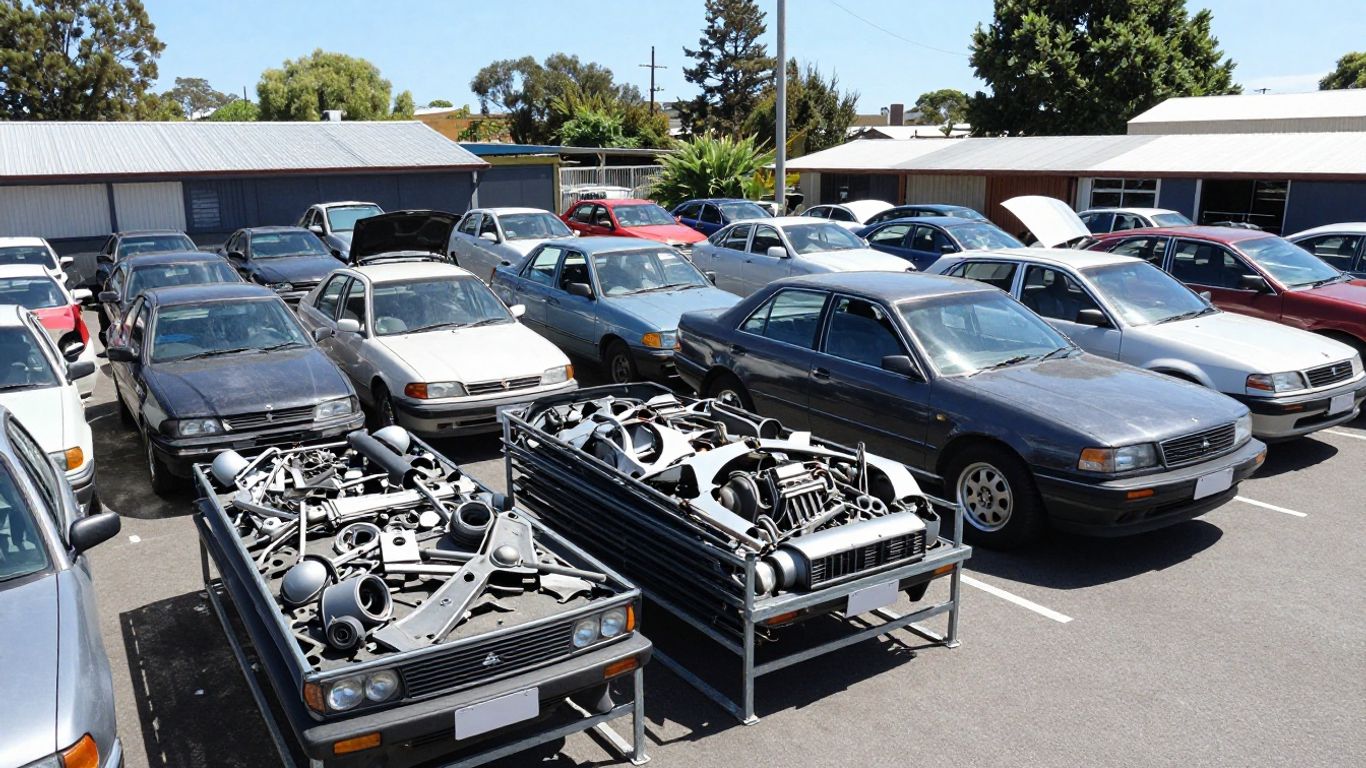
General salvage yards may carry a high volume of vehicles, but finding a specific transmission necessitates a disciplined approach. You should ask about the origin of the part, ensuring it has been removed from a vehicle that had documented mechanical history. Many providers, such as All Good Parts, focus on verifying the functionality of their inventory through systematic testing procedures before placing items on the market.
Benefits of purchasing from specialized Mitsubishi dismantlers
Specialized businesses understand the nuances of the brand’s engineering and inventory needs better than general recyclers. A company that exclusively manages Mitsubishi hardware usually tracks common failure points and provides better validation for every unit they resell. This focus often translates to fewer installation complications and a higher likelihood of finding a compatible setup for your specific model.
| Feature Type | General Wrecker | Specialized Dismantler | Dealer Service |
|---|---|---|---|
| Technical Support | Minimal | Extensive | High |
| Quality Assurance | Variable | High | High |
| Pricing | Low | Moderate | High |
Selecting the right supplier ensures you avoid the frustration of obtaining faulty equipment. While specialized dismantlers might charge a slight premium, the reduction in labor risks makes them a more economical choice over the long term.
Navigating online automotive marketplaces and classifieds
Digital platforms allow you to search through vast inventories across the city with minimal time investment. Always insist on seeing clear photographs of the transmission casing and the fluid condition before committing to a meeting. It is wise to leverage the presence of businesses like Just Mitsubishi, which maintain an online presence for sourcing genuine parts while providing clear documentation for their stock.
Assessing the condition of a used transmission
Verifying the internal health of a used unit prevents the unfortunate situation of installing a component that fails shortly after activation. A thorough physical assessment combined with documentation audits will help you gauge the remaining lifespan of the assembly. You should never skip this step, as it serves as the final barrier between a successful repair and an expensive mistake.
Identifying signs of internal fluid contamination
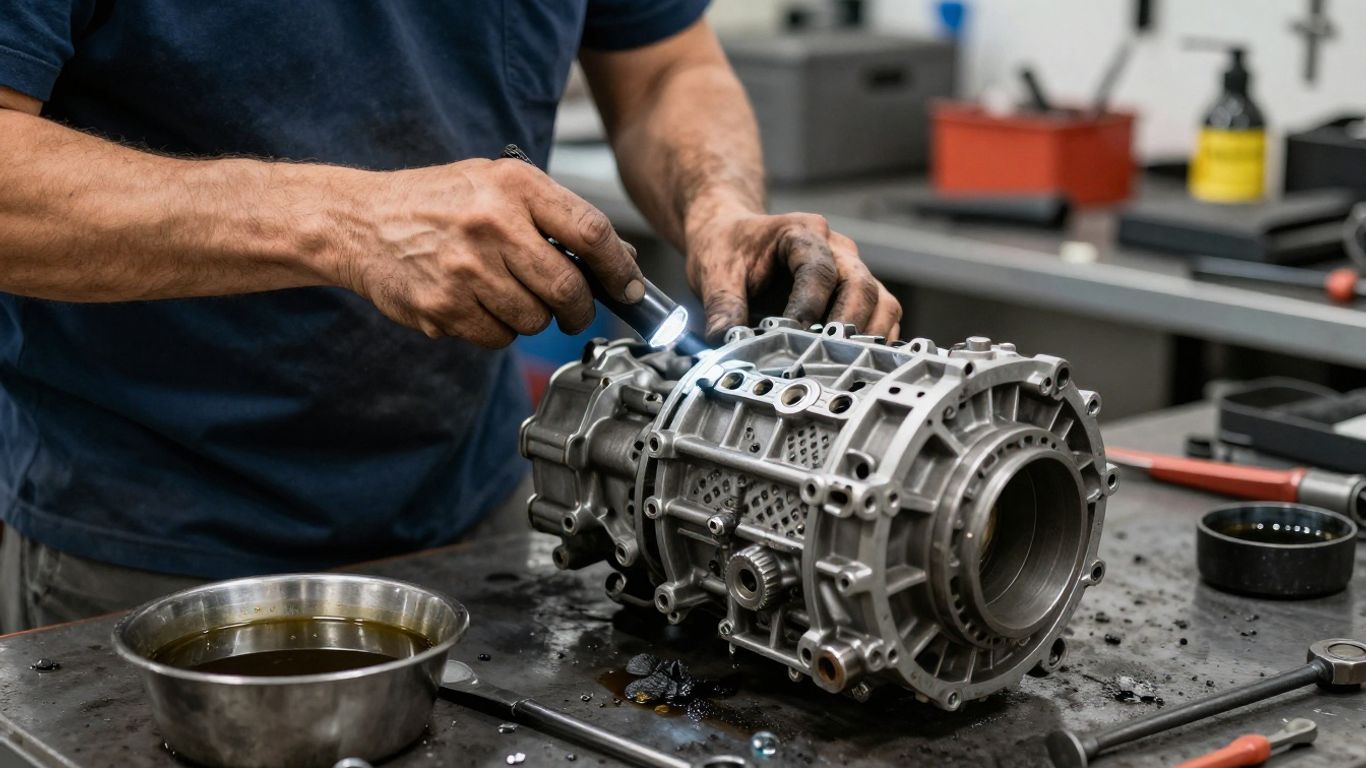
Fluid serves as the lifeblood of your transmission, and its current state tells a story about how the unit was maintained. Dark, burnt-smelling fluid is a red flag indicating severe heat stress and potential clutch slippage. If you find metal filings or excessive debris, it suggests that internal components are degrading and will likely cause imminent failure.
Inspecting the transmission housing for cracks or previous repairs
External casing integrity is essential for preventing leaks and maintaining consistent internal pressure. Look closely at the mounting points and bell housing areas, as any signs of welding or stress fractures could compromise the structural reliability of your vehicle after the installation is complete.
If the housing appears compromised, it is best to look elsewhere for a unit that has not been subjected to severe trauma. A solid, clean exterior is often a good indicator that the internal components have been handled with care throughout the salvage and storage process.
Requesting a torque converter and valve body status report
Some reputable shops, such as Wholesale Automatic Transmission, perform detailed audits that include checking the valve body function and the health of the torque converter. Asking for these specific details demonstrates that you are an informed buyer who expects quality. This level of diligence ensures you are not paying for hardware that requires immediate internal remediation.
Navigating warranties and return policies
Understanding the legal and functional protections tied to your purchase provides peace of mind throughout the installation process. You must identify exactly what the warranty covers and how to keep it valid after the transmission is placed in your vehicle. Clear documentation is the most powerful tool you possess if an unexpected issue arises after the unit starts running.
Differentiating between startup and long-term coverage
Many sellers offer a startup warranty meant to protect against immediate defects that manifest once the vehicle is first driven. Long-term coverage is less common and usually carries stricter requirements regarding professional installation and maintenance habits. Be sure to confirm whether the coverage applies only to the hardware or if it extends to incidental costs resulting from a defect.
Documenting the professional installation process for warranty validity
Most providers mandate that a certified mechanic must perform the installation to honor any claims. Save your invoices, the receipt for the correct brand of transmission fluid, and any reports provided by the technician during the setup. If the part fails, these documents serve as proof that you followed the required steps to maintain your warranty status.
Essential terms to look for in a dealer’s return policy
Always clarify if the return policy allows for exchanges in cases of incorrect fitment or if you are limited to a store credit. You should also verify if the seller covers any shipping or handling fees should the part be deemed defective by a third-party mechanic. Transparent return terms simplify your decision-making and shield you from unnecessary financial losses.
Managing installation costs and logistics
Transporting heavy automotive parts across the city requires careful planning to prevent accidental damage during transit. Balancing the cost of professional delivery against the risks of self-pickup is a key part of your budget preparations. Making the right choices here keeps your overall project under control as you finalize the repair.
Local shipping versus self-pickup options across Melbourne
Professional courier services experienced in handling delicate automotive assemblies generally offer insurance that protects your investment. If you choose to pick up the component yourself, you must ensure you have a vehicle with appropriate weight-bearing capacity and professional-grade tie-downs. Preventing vibrations and sudden impacts is just as important as selecting the right part itself.
Selecting the correct transmission fluid for optimal performance
Your transmission’s longevity depends on using the specific fluid viscosity and chemical profile recommended by the manufacturer. Using the wrong product can cause erratic shifting or excessive heat, even in a perfectly healthy unit. Always confirm the exact fluid specifications with your supplier or a local specialist to ensure the component runs smoothly from the first turn of the ignition.
Balancing professional labor costs against DIY considerations
Labor charges represent a significant portion of your total investment, but they also bring the benefit of professional accountability. While self-installation might seem enticing to save money, it may void your warranty and introduce the risk of incorrect configuration. Weigh the cost of professional expertise against the potential long-term expenses of fixing a job that was not completed accurately the first time.
Conclusion
Securing a replacement for your vehicle’s drivetrain is a manageable process when you combine rigorous part identification with careful selection of professional suppliers. By verifying the condition of the hardware and maintaining detailed records through every stage of the installation, you can restore your car’s performance while keeping your budget firmly grounded. This careful and measured approach ensures that your choice leads to a durable result that keeps you driving smoothly across Melbourne.