

Key Takeaways
Finding high-quality components requires a mix of technical knowledge and local connection to ensure you get value for your project.
- Establish relationships with reputable local wreckers who specialize in Japanese import vehicles.
- Join enthusiast clubs to gain access to private sales and trusted community recommendations.
- Always physically inspect rotating assemblies and structural parts before handing over any money.
- Verify provenance through service logs to avoid purchasing components damaged by previous track abuse.
- Calculate the total cost of refurbishments versus the price of a brand-new component before buying used.
Identifying reliable sources for Mitsubishi Evo parts
Tracking down specific hardware for these vehicles in the metropolitan area relies heavily on tapping into established networks. You need to identify suppliers who understand the specific needs of the 4G63 engine platform rather than general salvage yards. Consistency in your search tactics will eventually lead you to high-quality inventory that remains hard to find elsewhere.
Local Sydney wreckers specializing in performance imports
Many specialized wreckers in the region keep an inventory of imported engine components specifically for the Evo range. These businesses often act as primary hubs where high-quality salvaged parts are sorted and cataloged by model year. Evolution Racing Spares, for instance, maintains an extensive catalog of OEM bumpers and mounting brackets that suit specific chassis codes.
Networking with local Mitsubishi performance car clubs
Joining a dedicated local club provides access to members who are thinning out their personal inventories. These enthusiasts often remove working performance parts during their own vehicle upgrades, offering a reliable stream of high-quality items. Engaging with these communities allows you to discuss the history of a specific part directly with the person who installed it.
Navigating online marketplaces and local community groups
Digital marketplaces are effective if you know how to filter legitimate listings from opportunistic sellers. You should prioritize groups where sellers are required to provide detailed photos and proof of ownership. Exercising caution remains the best defense against mislabeled hardware, especially when looking for rare drivetrain components in the Sydney market.
Essential components to inspect before buying
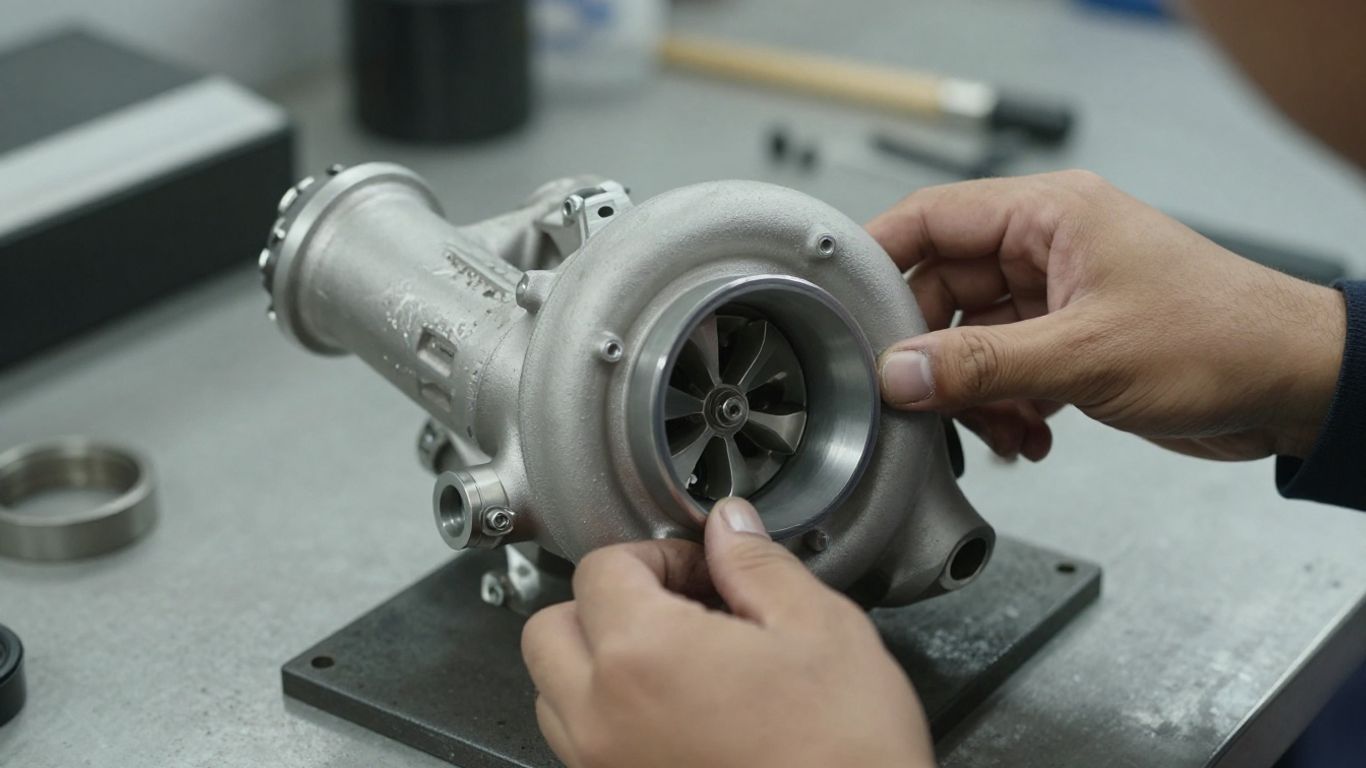
Conducting a thorough physical appraisal of any component is mandatory before installation. Hidden damage often lurks inside housings or within moving parts, making visual checks from the outside insufficient. Always take the time to move every joint and check for cracks in metal surfaces to avoid costly mechanical failures later on.
Assessing the condition of turbochargers and manifolds
When checking a turbocharger, you must ensure there is no excessive shaft play in either radial or axial directions. Inspect the compressor and exhaust wheels for any signs of contact with the inner walls of the housing. Even a small amount of damage here typically indicates a complete unit failure that requires an expensive professional rebuild.
Verifying transmission and drivetrain component longevity
Transmission parts and differential internals require clean lubrication and smooth engagement. You should check that all splines are free of rounding and that the gear teeth lack any signs of excessive heat discoloration. Pro Speed Racing provides a garage compatibility function that can help you cross-reference specific drivetrain upgrades to ensure you are selecting the correct version for your particular model.
Inspecting suspension and handling upgrades for wear
Suspension components endure extreme forces during regular driving, so focus strictly on bushings, ball joints, and dampening seals. If you are buying used coilovers or sway bars, examine the surfaces for corrosion and ensure the adjusters operate freely without seizing.
| Part Type | Inspection Point | Warning Sign |
|---|---|---|
| Control Arm | Bushing integrity | Cracking or torn rubber |
| Coilovers | Adjustment rings | Seized or stuck threads |
| Sway Bar | Mounting points | Surface fatigue or rust |
These physical checks are the only way to determine if a performance upgrade will actually improve your grip or just introduce unwanted play into your car’s handling dynamics.
Assessing authenticity and history of performance parts
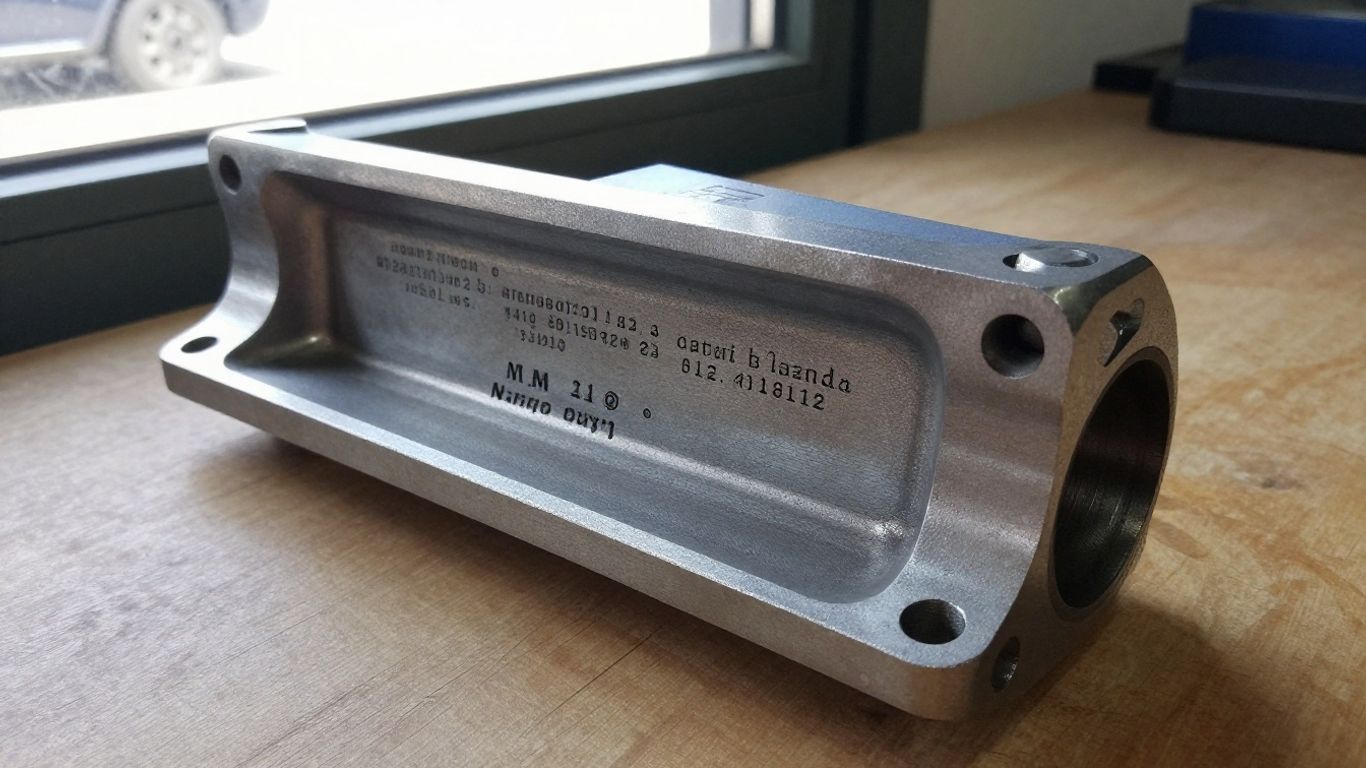
Provenance is just as important as the physical condition of the item when you are hunting for rare performance upgrades. Sellers who keep meticulous records usually treat their vehicles with more care than those who do not. Understanding how a part was utilized helps you avoid items that were essentially used up on the track.
Identifying genuine versus aftermarket performance specifications
Distinguishing between genuine performance gear and cheaper replicas is vital for maintaining the intended reliability. Genuine parts usually feature exact casting marks or specific stamped serial numbers that match factory database records. Always compare the physical appearance of an item against known factory specifications before completing your purchase.
Importance of service histories and previous build logs
Build logs are invaluable because they provide a timeline of how the component has performed over thousands of kilometers. A documented history justifies a higher purchase price because you are paying for the known reliability and care of the previous owner. If the seller cannot provide any documentation, assume the part has not received the necessary maintenance cycles.
Detecting signs of mechanical abuse or extreme track usage
Intense track environments accelerate wear on critical components far beyond street usage. Look for evidence of excessive heat exposure, such as scorched paint or brittle plastic connectors, which suggests the unit was pushed to its thermal limits repeatedly.
Following these clues helps you determine if a component is ready for another round of street driving or if it has entered the final stage of its functional life.
Cost-benefit analysis of used versus new performance parts
Calculating the true investment requires looking beyond the initial sticker price of the hardware. Used parts may offer significant savings, but the hidden costs of refurbishment can quickly close the gap between a bargain and an expensive mistake. You should approach every prospective purchase as an accounting exercise to ensure long-term value.
Calculating potential savings on critical engine internals
Engine internals carry the highest risk since a failure can destroy the entire block. While buying used might save you money upfront, you must balance this against the fact that internal parts often have non-reversible wear patterns that cannot be fully corrected by standard machining.
Budgeting for necessary refurbishments and seal replacements
Never assume a used part is ready for direct installation out of the box. You should always allocate a portion of your budget for fresh seals, gaskets, and minor machining processes. Failure to account for these refreshes often leads to leaks or internal issues shortly after the component is bolted on.
Weighing the warranty risks against lower acquisition costs
New items include manufacturer protections, whereas buying second-hand means accepting the component as-is. Empire Performance offers stainless steel exhaust systems that come with a clear guarantee of quality, which significantly lowers the risk involved when you choose to buy new versus tracking down a used system in the local market.
Logistics of sourcing parts within the Sydney region
Moving heavy or awkward mechanical components across the city requires careful planning. Many sellers are private individuals who may not have access to professional transit equipment, so the burden of safe transport often falls on you. Efficient logistics will save you time and keep your project schedule on track.
Arranging safe transport for heavy mechanical components
When dealing with transmission sets or engine blocks, you need a vehicle that can handle the weight distribution properly. Use proper strapping and heavy-duty padding to prevent the parts from shifting during transit. Securing these massive items prevents damage that could render a perfectly functional part useless before you ever bring it into your own workshop.
Coordinating with local garages for direct parts delivery
Some local garages are willing to accept deliveries for customers if you have an established relationship with them. This is particularly useful if you are buying a large shipment of parts that you cannot personally transport in one trip. Ensure the shop knows exactly what is being sent to prevent any inventory confusion upon arrival.
Navigating local pickup schedules for large body or chassis upgrades
Body panels and chassis reinforcements are bulky and easily damaged during the pickup process. Coordinate your timing to avoid peak traffic hours in the city, which reduces the duration your parts are being jostled in transit. Checking the weather forecast also helps, as large body upgrades like hoods or trunks are susceptible to wind or moisture damage if not stored or covered correctly during the drive.
Conclusion
Successfully sourcing Used Mitsubishi Evo performance parts Sydney involves a combination of careful physical inspection, verification of service history, and strategic networking within the local enthusiast community. By prioritizing known-good components and keeping your budget prepared for necessary refurbishments, you can build a reliable machine that performs exactly as you intend without unnecessary risk.