Key Takeaways
Finding the right components for your off-road vehicle keeps it running smoothly for years to come. This guide covers how to identify, source, and install parts effectively.
- Understanding the difference between mechanical and cosmetic parts is essential for maintenance.
- The VIN remains the most accurate way to ensure you buy compatible components.
- Genuine parts offer reliability, while certified aftermarket options provide significant value.
- Sydney offers a variety of specialized wreckers and distributors for savvy buyers.
- Proper installation, especially for critical safety parts, is best handled by experienced technicians.
Understanding your Mitsubishi Pajero part requirements
Selecting the right components begins with a clear assessment of your vehicle needs, as maintenance involves everything from small aesthetic tweaks to major drivetrain repairs. Taking the time to evaluate what your car actually requires prevents unnecessary spending and wasted time during store visits. For those searching for Mitsubishi Pajero parts Sydney, getting the details right the first time is the foundation of a successful repair.
Assessing mechanical versus cosmetic parts
Mechanical parts determine the operational integrity of your vehicle, such as engine internals, braking systems, and transmission components. In contrast, cosmetic parts primarily focus on interior panels, trim pieces, and external aesthetic features like door handles or mirror covers. Separating these needs helps you decide whether you should prioritize functional longevity or the original showroom appearance of your SUV.
Interpreting your vehicle identification number (VIN)
Your VIN is a unique 17-character sequence that acts as a fingerprint for your vehicle, holding precise build data. By providing this number to professional sellers, you ensure that every part—from a radiator hose to a suspension bush—matches the exact build specification of your specific unit. This verification step is the most reliable way to avoid the frustration associated with incompatible hardware delivery.
Determining the specific generation of your Pajero
Since the vehicle has spanned several decades and multiple design iterations, knowing your exact model generation is critical. Some parts are interchangeable between closely related years, but others possess structural differences that make them vehicle-specific. Always clarify the model code or production year range before searching for supplies to align with your vehicle’s unique design profile.
Comparing genuine versus aftermarket Mitsubishi Pajero parts
Many owners find themselves choosing between stock components and cost-effective alternatives. Identifying the right balance between these choices often depends on the specific job at hand and the intended use of the vehicle.
Benefits of using original equipment manufacturer components
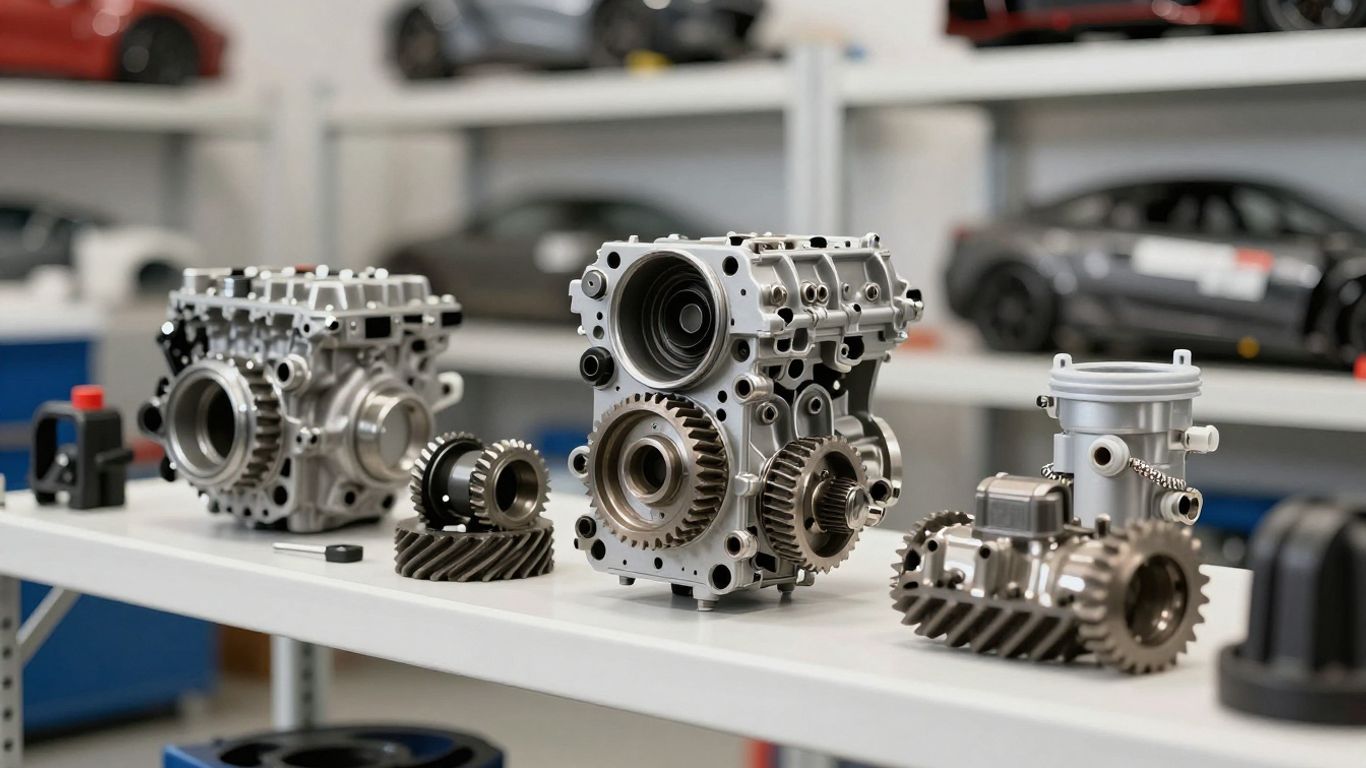
Original equipment manufacturer components are engineered to the exact specifications defined during the initial vehicle design process. These parts maintain the factory standard, ensuring that every integration performs as the manufacturer intended. When you choose these items, you are investing in established design standards that prioritize long-term compatibility over initial costs.
Where aftermarket parts offer superior value
Aftermarket options often provide a high-quality alternative that is budget-friendly without sacrificing core functionality. Many suppliers now offer Q-Part Certified spare parts that meet rigorous safety and durability standards similar to the original gear. These certified alternatives are a smart investment for many owners who want to maintain performance while managing overall maintenance budgets effectively.
Long-term durability and warranty implications
Understanding the trade-offs between component types requires looking at how they interact with your vehicle’s lifecycle. We have organized the primary considerations in the table below to help clarify the decision process for your next repair.
| Part Type | Primary Advantage | Typical Application |
|---|---|---|
| Genuine | Perfect fitment | Critical engine internals |
| Aftermarket | Reduced pricing | Exterior panels and trim |
| Recycled | Cost efficiency | Non-essential structural parts |
Selecting the right category depends on whether the part supports critical motion or cosmetic appeal. Genuine parts typically provide the highest confidence, whereas certified aftermarket solutions are perfect for routine wear-and-tear replacements.
Identifying reliable parts suppliers in Sydney
Sydney hosts a robust network of suppliers tailored to the needs of off-road enthusiasts. Finding a source that values quality and clear communication is the difference between a quick repair and a long waiting game.
Evaluating local specialty wrecker yards
Local specialty yards are excellent for finding hard-to-find components that are no longer in mass production. Many of these yards focus specifically on 4×4 platforms, which means they hold deep knowledge about what works and what fails under pressure. Visiting these sites in person allows you to inspect components closely before committing to a purchase.
Using online catalogs from Sydney-based distributors
Digital catalogs from local distributors allow for quick cross-referencing of inventory without needing to leave your home office. Many of these distributors act as registered dealers of Chevron, ensuring that their available inventory aligns with established quality metrics. This transparency makes it easier to verify that your selected parts conform to current Australian design rules.
Checking customer reviews and industry reputations
Before finalizing a purchase, look for feedback from other local owners who have utilized the supplier for their own projects. A supplier that consistently demonstrates clear communication and helpful technical support is far more valuable than a low-cost, mystery-vendor alternative. Look for consistent stories of successful resolutions regarding part fitment or returns to gauge reliability.
Navigating used and recycled parts for the Pajero
Sourcing used parts can save money but requires a sharper analytical eye. Knowing how to filter through salvage options ensures you avoid parts that have already reached their service limit.
Inspection criteria for salvaged components
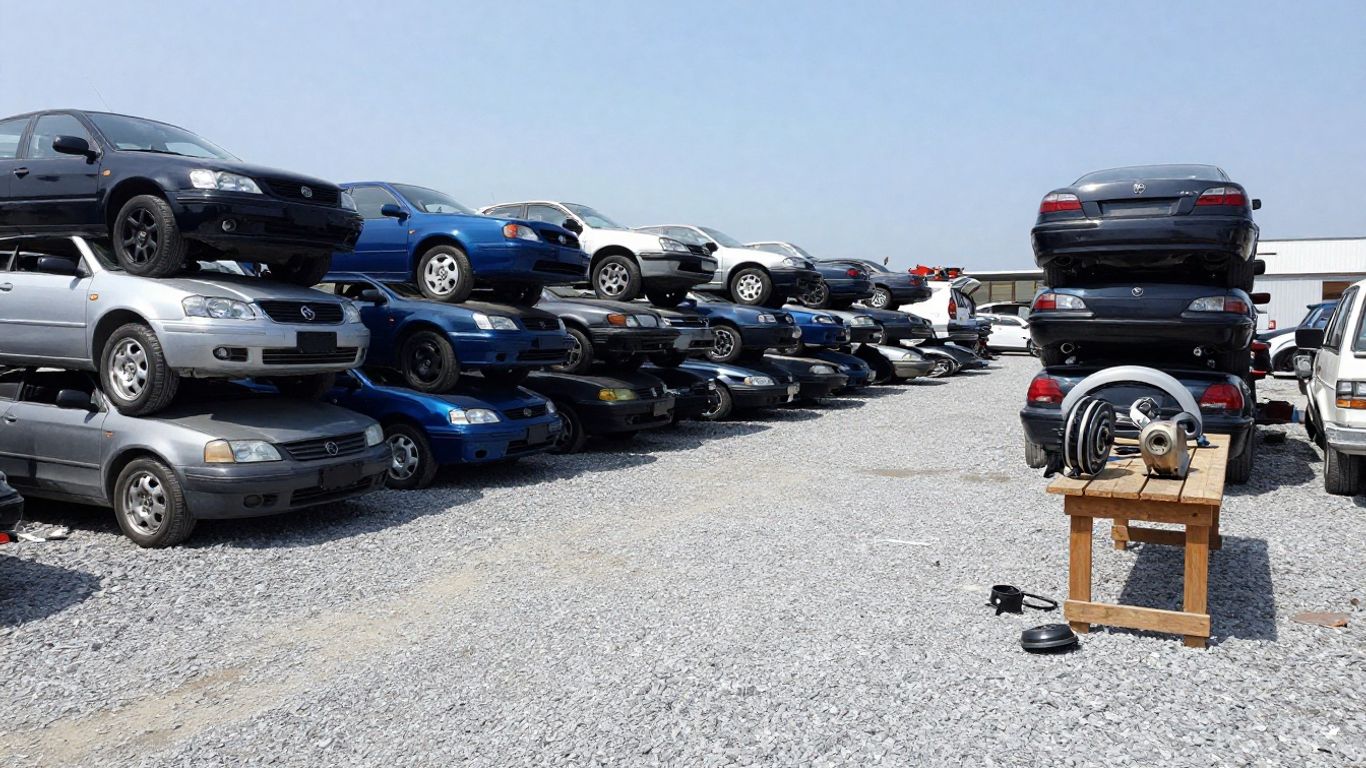
When evaluating a salvaged part, check for signs of fatigue, oxidation, or thermal damage that could indicate a hidden failure. It is essential to understand the history of the donor vehicle if possible, as components from a heavily stressed vehicle often have a shorter remaining life. A visual inspection of critical connection points, including seals and mounting bolts, provides insight into the item’s current state.
Advantages of sourcing from local wrecking specialists
Sourcing parts from specialists who focus on specific platforms often results in better advice and more reliable hardware. These experts understand common failure patterns for your specific vehicle and can guide you away from parts that are prone to premature wear even if they appear functional upon initial inspection.
Building a relationship with a local wrecking yard can provide long-term benefits for your maintenance workflow. By working with specialists, you get parts that have been through a basic screening process rather than components pulled blindly from an unknown vehicle, allowing for a more predictable repair result.
Avoiding common pitfalls with second-hand electronic modules
Electronic modules must be approached with extreme caution, as they are often sensitive to voltage spikes or past moisture exposure. If you are replacing a control module, always confirm that it matches your specific software version and hardware revision. It is usually best to avoid second-hand electronics unless you have the capability to test them immediately upon installation, as these units can rarely be returned if they fail to pair with your existing system.
Essential tips for verifying part compatibility
Compatibility errors are the most common cause of installation delays. Taking extra precautions before finalizing an order pays dividends during the actual repair process.
Using part numbers to prevent ordering errors
Every component has a specific manufacturer part number that is far more reliable than a vague product description. If you are unsure, search using the specific number stamped directly onto your existing part to ensure the new item is a perfect match. This simple practice prevents 90% of order-related headaches regardless of where or how you purchase the item.
Consulting with Sydney experts before final purchase
For complex jobs, reaching out to recognized Pajero Upgrade Specialists like BGT4X4 can offer insights that you simply cannot find online. These experts have seen thousands of vehicles and can tell you immediately if a particular part is likely to cause fitment issues or require additional hardware for proper installation. Their advice bridges the gap between catalog specifications and real-world mechanical realities.
Understanding the impact of performance modifications
If your vehicle has aftermarket modifications, it may no longer accept standard factory-replacement parts. Performance suspension, upgraded lighting, or a modified exhaust system can change the physical space available for new components. Always verify that a new part will clear existing modifications before finalizing your purchase, particularly when upgrading from stock.
Installation and professional fitment considerations
Knowing your own mechanical limits is part of being an responsible vehicle owner. There is no shame in seeking professional help when the task requires specialized tools or diagnostic software.
When to opt for mechanic-assisted installation
If a repair involves high-pressure fluid lines, engine timing, or complex electrical looms, professional assistance is usually required. Mechanic-assisted installation ensures that the work is performed to a standard that prevents collateral damage, which often happens when an enthusiast attempts a task for the first time. The labor cost is often significantly lower than the price of repairing a major component destroyed during a DIY failure.
Locating specialized repair shops in Sydney
For major repairs, seek out shops that specialize in Japanese 4×4 platforms to ensure the mechanics there are familiar with these specific vehicle layouts. A shop that works on these SUVs daily will have the required expertise to handle your vehicle efficiently, reducing overall labor hours. Ask for references or check professional associations if you are trying a new workshop for the first time.
Ensuring safety standards for critical steering and brake components
Safety-critical systems like steering knuckles, master cylinders, and brake calipers should only be repaired or replaced by qualified individuals using certified parts. Any error in these systems directly impacts your ability to operate the vehicle reliably in heavy traffic or on rugged trails. Never compromise on the quality of these components, as they are your primary defense against unexpected mechanical failures while driving.
Conclusion
Maintaining your vehicle is a rewarding project when you take the time to identify the right components and work with established Sydney suppliers. By following the steps outlined, you ensure your vehicle stays safe and reliable regardless of where your journey takes you. Taking a systematic approach to sourcing and installation protects your investment and ensures many more years of confidence on the road.