
Key Takeaways
Finding the right powertrain for your vehicle requires careful research and local guidance to ensure longevity and value. Here are the essential considerations for your search:
- Quality assessment is vital to avoid long-term repair costs.
- Local wreckers often provide better value than retail dealerships.
- VIN matching prevents complex installation and compatibility issues.
- Environmental benefits arise from extending the lifecycle of automotive components.
- Professional testing documents confirm engine performance before final payment.
Understanding the benefits of purchasing used Mitsubishi engines in Parramatta
Transitioning to a pre-owned powerplant is a common strategy for vehicle owners looking to maintain their cars without the high price tag of crate motors. By sourcing locally in Sydney, you can examine the unit directly, reducing risks often associated with interstate freight. These units offer high performance for a fraction of the cost, keeping reliable vehicles on the road for many more years.
Cost-effectiveness compared to brand-new components
The most immediate benefit of choosing second-hand parts is the significant price difference compared to factory-fresh units. When you select used Mitsubishi engines Parramatta residents can save substantial capital while securing a reliable replacement. This financial advantage enables owners to reinvest in other maintenance areas, such as suspension or brake systems, to improve overall road safety.
Availability of hard-to-find parts for discontinued models
Many older vehicles no longer receive support from original equipment manufacturers, making it difficult to find compatible replacement parts through standard channels. Salvage yards act as specialized repositories, holding inventory from vehicles that have reached their life limit but still possess vital operating components. This access helps enthusiasts and daily drivers alike keep classic or discontinued models running daily.
Environmental impact of choosing recycled automotive parts
Recycling mechanical assemblies significantly reduces the industrial output required to forge, cast, and machine new alloy blocks from scratch. By diverting these heavy metal components from the landfill, you minimize the carbon footprint associated with automotive heavy industry.
Reusing existing machinery serves as a primary form of resource conservation that supports a circular automotive economy by reducing the need for raw material extraction and heavy manufacturing processing.
This simple choice helps preserve natural resources while ensuring your vehicle continues to run effectively without requiring the heavy environmental cost of a newly produced factory block.
Identifying reputable suppliers of used Mitsubishi engines in Parramatta
Selecting a trustworthy provider is arguably the most critical step in the procurement process. You want a vendor who manages their salvage operation with transparency, providing clear documentation of the history of their inventory. Establishing a relationship with a local professional helps you avoid common pitfalls when dealing with salvaged automotive hardware.
Researching local wreckers and engine specialists
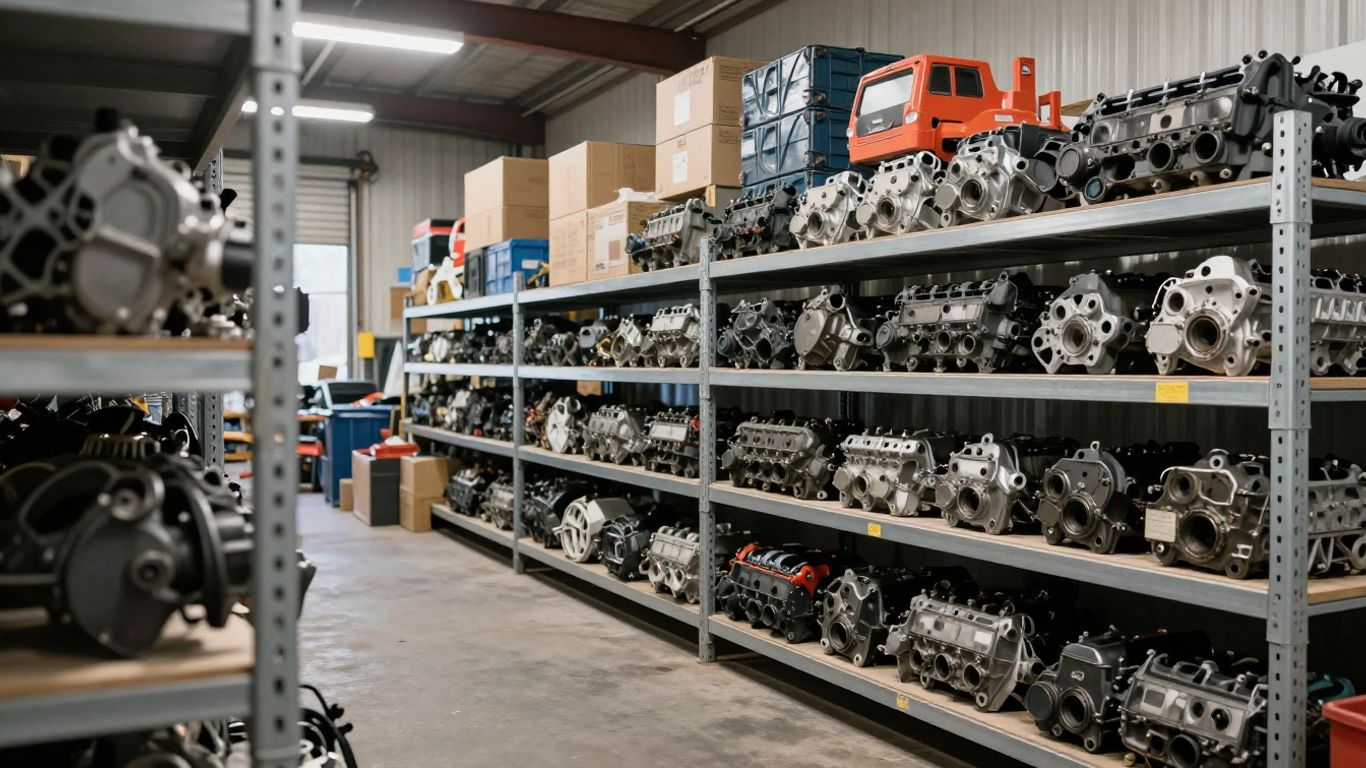
Start by identifying businesses that specialize strictly in Japanese imports, as these yards are more likely to curate a high-quality selection of specific engine types. A dedicated specialist often maintains cleaner facilities and better organized stock records compared to general-purpose scrap yards. Prioritize shops that operate near your location to facilitate easier viewing and pickup of heavy parts.
Checking customer reviews and business reputation
Public feedback offers a window into the typical experience provided by salvage yards. Look for mentions of timely delivery, accurate part descriptions, and ease of communication when issues arise. A store that responds professionally to feedback demonstrates a commitment to building a long-term reputation within the local community.
Verifying certifications and industry standards
Establish that the facility adheres to established motor vehicle repair and dismantling standards required in New South Wales. Certification indicates that the business correctly handles hazardous fluids and manages scrap metal in an environmentally responsible manner. Requesting proof of these standards provides peace of mind that you are dealing with a legitimate business operation.
Evaluating the range of stock for specific Mitsubishi models
A professional yard should be able to demonstrate a depth of inventory specifically suited to your vehicle’s requirements. Instead of settling for whatever is on hand, inquire about their history with specific engine blocks like the 4G or 4B series. A broad inventory suggests they have access to a variety of donors, increasing the likelihood that they can find a match for your particular production cycle.
Performing essential quality inspections on used engines
Before you commit to a purchase, you must verify the condition of the unit through a physical assessment and history check. While external appearances are helpful, internal health is the deciding factor in whether an engine will provide years of reliable service. Rigorous pre-purchase testing is the safest way to guard your investment against premature failure.
Assessing exterior condition and visual damage
Look for signs of irregular impact, cracked alloy casings, or excessive oil seepage around seals and gaskets. While a little dust is normal for warehouse stock, deep gouges or evidence of previous botched repairs should warrant immediate concern. A clean engine bay is often a reflection of how the donor vehicle was treated during its time on the road.
Understanding mileage and maintenance documentation
Records like logbooks and service history provide a timeline of how the engine was cared for during its life. Even if the odometer reading seems low, look for evidence of regular oil changes and belt replacements that indicate responsible owner habits. Consistent maintenance is often a better predictor of engine longevity than total kilometers traveled alone.
Examining accessible internal components like belts and hoses
Peering into the intake and timing cover areas reveals current wear levels on critical maintenance items. Check for brittle rubber, cracking, or advanced signs of fluid caking that suggest the engine was left to sit improperly. Replacing these consumable items is standard procedure, but their condition tells you much about the storage environment of the unit.
Requesting a compression test for performance verification
This test measures the health of piston rings and valves by checking the integrity of the combustion chamber. Reliable shops are often willing to perform this verification to ensure their stock is ready for service.
| Test Metric | Ideal Reading | Status Check |
|---|---|---|
| Cylinder 1 PSI | 140-150 | Healthy |
| Cylinder 2 PSI | 140-150 | Healthy |
| Cylinder 3 PSI | 140-150 | Healthy |
Reviewing these values confirms that your engine is capable of sustaining proper power output before it is integrated into your vehicle. If the variance between cylinders exceeds manufacturer allowances, consider looking for a different unit to avoid future performance drops.
Matching your engine to your Mitsubishi vehicle specifications
Incorrect parts create significant friction during the installation process, wasting time and labor costs. Always confirm your specific vehicle requirements against the donor engine information provided by the seller. Precision at this stage prevents the headache of returning heavy items later.
Decoding VIN and engine number sequences
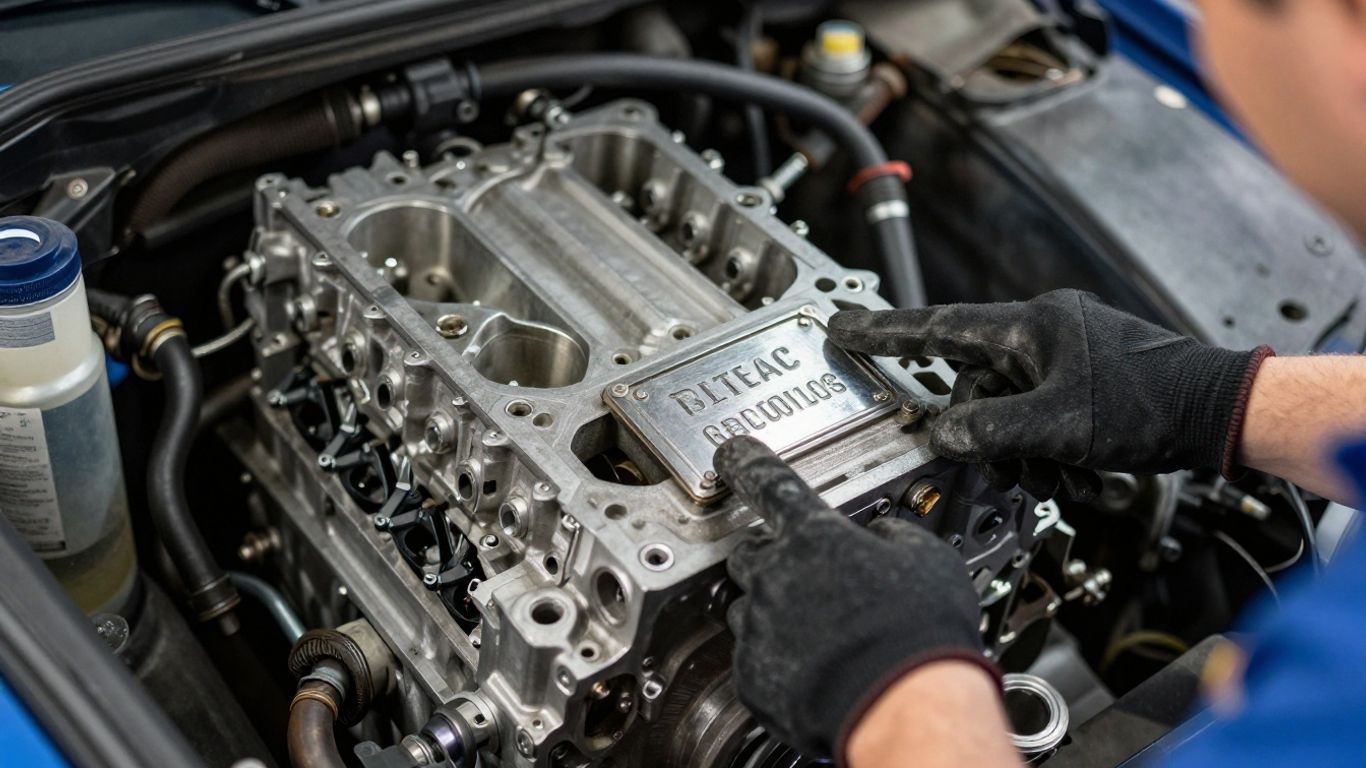
Every vehicle chassis carries a specific identifier that maps to the correct technical requirements for its powerplant. Ensure the engine you select corresponds correctly to the production variant of your vehicle to avoid sensor conflicts. Cross-referencing the official engine number against your current block ensures a direct bolt-in experience.
Ensuring compatibility with your transmission type
Transmission mounting points vary significantly between automatic and manual variants of the same vehicle chassis. Even a slight variation in the bell housing design or fly-wheel assembly can render a component physically incompatible. Always verify the transmission code on the donor unit matches your existing setup before finalising the sale.
Considering production years and regional variations
Components can undergo subtle changes during a model’s run due to emissions updates or market-specific requirements. A block built for a different regional market might use different wiring harnesses or vacuum routing configurations. Confirming that the production date falls within the compatible window for your specific vehicle is vital.
Consulting with technicians regarding ECU module compatibility
Modern vehicles utilize complex control modules that monitor engine parameters through specific sensor arrays. If you transition to a new engine, discuss with your mechanic whether your existing electronic control unit will require a flash or if the sensor pinouts match perfectly. This proactive conversation prevents startup failures once the final integration is complete.
Managing transport and professional installation in Parramatta
Handling dense iron and aluminum requires specific equipment, such as engine cranes and pallet jacks, to stay safe. Once the unit is on-site, having an experienced professional handle the integration ensures that all torque specifications and electrical connections meet engineering standards. A professional installation is the final layer of protection for your new component.
Organizing safe logistics for heavy engine components
Engines are cumbersome and easily damaged during transport if not securely cradled on a pallet. Many local suppliers in the area offer delivery services with heavy-lift machinery, which is safer than attempting a DIY transport with consumer vehicles. Protecting the oil pan and sensitive sensor attachments during the transit phase is paramount.
Selecting a certified mechanic for precision installation
Licensed professionals bring the necessary tools and diagnostic software to ensure the engine is aligned correctly. Improper mounting can manifest as vibrations and premature wear, which are difficult to diagnose after the fact. A qualified technician will also ensure that all mounts are torqued to manufacturer specifications, reducing the chance of mechanical failure.
Testing the engine immediately after integration
Following the installation, follow a strict process for initial startups including idle monitoring and heat cycle checks. The professional should observe the engine temperature through an OBD diagnostic tool while looking for potential leaks. Early detection of minor issues prevents long-term damage once you return to daily driving.
Managing necessary fluids and system flushes post-installation
Operating a fresh engine requires a complete refresh of cooling, oil, and fuel systems. Old contaminants in lines or radiators can quickly foul a new unit, leading to rapid performance decline. Replacing all fluids with high-quality alternatives helps the recycled engine perform closer to its factory standards.
Navigating warranties and consumer protection for used parts
Understanding the legal scope of your purchase helps protect your interest should an unforeseen issue arise later. While used parts are inherently variable, most professional entities provide a limited duration of coverage to ensure the item functions as described. Keeping a paper trail is your best defense throughout this process.
Understanding common warranty terms for second-hand engines
Most providers offer a short-term warranty ranging from a few weeks to several months to cover internal mechanical failures. This period provides an essential window to identify any issues that might have been missed during the initial inspection. Be sure to clarify whether the coverage includes labor costs or if it is restricted to the cost of the engine replacement itself.
Documenting the purchase process for potential claims
Maintain copies of your receipt, the engine’s serial number, and any communication regarding the unit’s known condition. If you paid for additional testing, keep those reports as evidence of the condition at the time of delivery. Proper paperwork simplifies the resolution process significantly if the engine fails during the warranty term.
Knowing your rights under local consumer protection laws
New South Wales consumer law typically mandates that goods must be fit for their stated purpose, even when sold on the second-hand market. If the item proves to be faulty upon arrival or does not match the description provided, you have rights to seek a resolution. Familiarizing yourself with these provisions helps you negotiate fairly with any seller you encounter.
Conclusion
Securing a pre-owned powerplant is a practical solution that saves money while keeping vehicles on the road for many years. By conducting thorough local inspections, verifying VIN compatibility, and working with reputable suppliers in Parramatta, you can confidently integrate a high-quality unit and move forward with reliable transport.