

Key Takeaways
Choosing Mitsubishi Pajero wreckers with free delivery Perth involves more than finding the lowest advertised price. Confirm fitment, delivery conditions, part condition, and after-sales support before paying.
- Match the replacement part to your Pajero’s year, generation, engine, drivetrain, and VIN.
- Treat free delivery as a service condition to verify, not an assumption.
- Ask how a used part was inspected, graded, and covered by warranty.
- Compare the full landed cost, including delivery, handling, installation, and possible returns.
- Confirm the exact part and installation requirements before payment.
Understand what Mitsubishi Pajero wreckers offer
Wreckers can be a practical source of replacement components for older and newer Pajero models. Their stock may include mechanical assemblies, body panels, electrical items, interior fittings, and suspension parts removed from vehicles being dismantled. Availability changes constantly, so a direct enquiry is often more useful than relying on a general inventory page. The right supplier should help you establish whether the part is suitable before you commit.
Used parts commonly available for Pajero models
Commonly sought parts include engines, transmissions, transfer cases, differentials, doors, guards, bumpers, lights, mirrors, seats, dashboards, control modules, and suspension components. Smaller pieces such as switches, brackets, trim, and wiring can also be worth sourcing from a dismantled vehicle. Ask whether the listing is for a complete assembly or only one component, since a photograph may not show every included piece. That distinction affects both price and installation time.
Benefits of choosing recycled Mitsubishi components
A used component can cost less than a new replacement while retaining the original vehicle’s design and mounting points. Reusing serviceable parts also keeps more material in circulation and may make sense when a vehicle is past its warranty period. The savings are most useful when the component is identified accurately and its condition is documented. A lower purchase price does not help if the part needs immediate rebuilding or cannot be returned.
Differences between wreckers, dismantlers, and general auto parts suppliers
A wrecker typically sources parts from vehicles acquired for dismantling, while a dismantler focuses on removing, cataloging, and storing usable components. A general parts supplier may instead sell new aftermarket or original-equipment replacement items from a distribution network. These categories can overlap in everyday conversation, so ask where the component came from and whether the seller physically holds it. You should also clarify whether the quoted item is used, reconditioned, aftermarket, or new.
When a used part is a better choice than a new replacement
Used parts are often worth considering for expensive assemblies, discontinued trim, matching body panels, and components where an original fit matters. They may be less attractive for wear items such as belts, filters, fluids, and some brake or rubber components unless their condition is clearly verified. Compare the expected service life with the cost of installation, not just the shelf price. For a major assembly, a warranty and a known removal history can make the used option more sensible.
Identify the right part for your Pajero
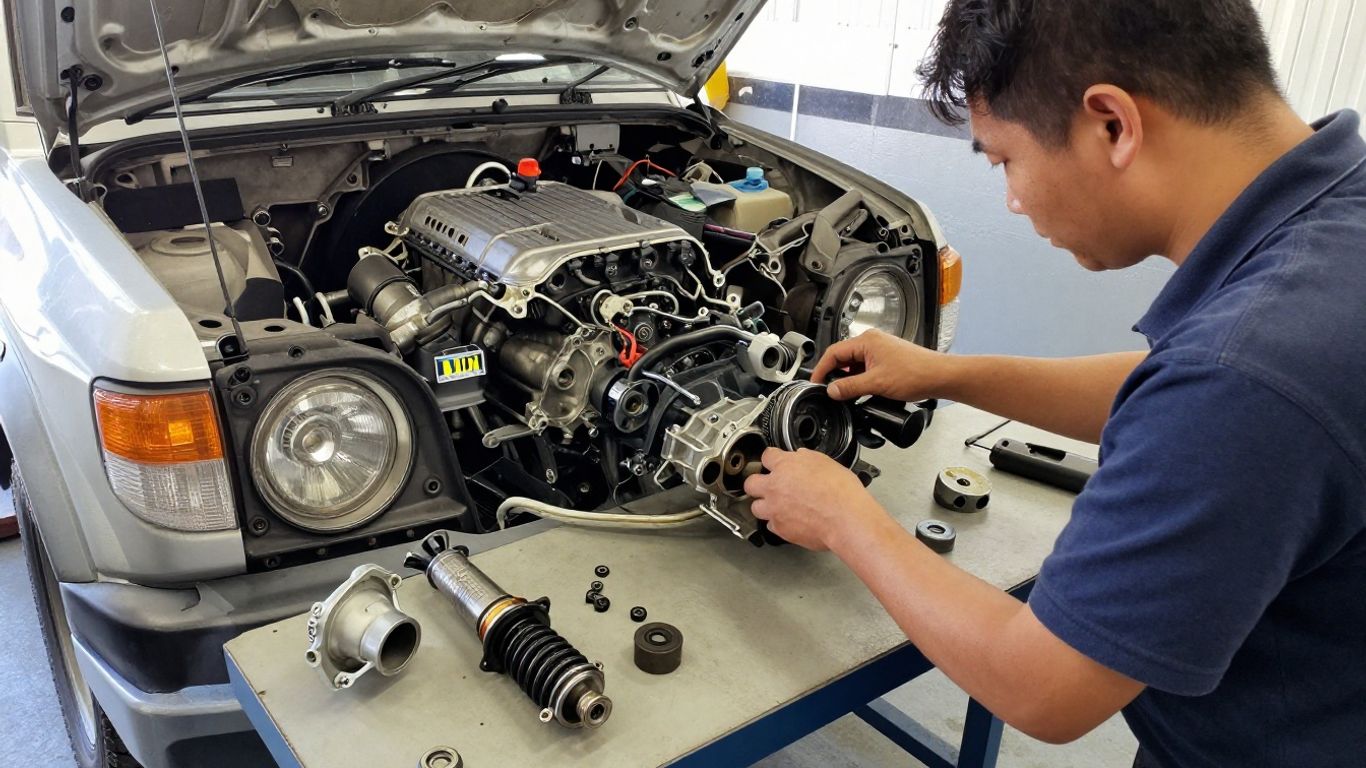
Fitment is the point where a promising bargain can become an expensive mistake. Pajero models vary by generation, year, engine, transmission, body style, and drivetrain specification. Even parts that look identical may use different connectors, mounting points, ratios, or control systems. Gather the vehicle details before contacting a supplier, and keep the old component available for comparison.
Matching parts by model year and generation
Start with the build year, compliance year, generation, series, and body style rather than saying only “Pajero.” Facelifts and specification changes can alter lights, bumpers, interior pieces, suspension components, and electronic modules. If possible, send a clear photograph of the vehicle and the existing part, but treat photographs as supporting evidence rather than final confirmation. The supplier should still check the part against the vehicle identifiers.
Checking engine, transmission, and drivetrain compatibility
Engine size and fuel type are only the first checks for mechanical parts. Confirm transmission type, transfer case configuration, four-wheel-drive system, differential ratio, and relevant sensor or control-module details. For an engine or gearbox, ask what accessories are included and whether the replacement is supplied as a bare unit or complete assembly. Compatibility should be confirmed in writing when the component is costly or difficult to install.
Using VIN and part numbers to avoid ordering errors
The VIN gives the supplier a reliable starting point for checking the vehicle’s specification, while the part number can identify the component more precisely. Read the number from the original part where it is safely accessible, and provide photographs of labels, plugs, and mounting points. A superseded number may still be correct, but the seller should explain that relationship rather than asking you to guess. Written fitment confirmation gives you a useful record if the delivered part differs from what was discussed.
Confirming left-hand and right-hand component differences
Body, lighting, steering, suspension, and interior parts may be handed, even when they appear similar in an online photograph. State whether you need the driver or passenger side, and use the vehicle’s orientation consistently when speaking with the supplier. Check whether the part includes side-specific wiring, brackets, mirrors, or trim. This simple step can prevent an otherwise correct component from being unusable.
Evaluate free delivery options in Perth
Free delivery can reduce the final cost, but the phrase may describe only a defined local service area or a particular part size. Ask for the delivery terms before comparing quotes, especially if the Pajero component is heavy, fragile, or awkwardly shaped. The pickup address, access conditions, and delivery method can all affect eligibility. A clear quote should separate the part price from any delivery conditions.
What “free delivery” usually includes
A free-delivery offer may cover standard ground transport to selected Perth metropolitan suburbs, while excluding stairs, difficult access, timed appointments, or placement inside a workshop. It may also apply only above a minimum order value or to smaller parts. Ask whether the service is curbside, whether the driver calls ahead, and whether packaging is included. These details matter more for glass, panels, engines, and transmissions than for small electrical components.
Perth suburbs and service-area limitations
Metropolitan coverage is rarely identical for every supplier, so provide the complete suburb and postcode when requesting a quote. Outer suburbs, industrial areas, apartment buildings, and locations with restricted truck access may be handled differently. Confirm whether the quoted delivery reaches your address or ends at a depot or business location. If you are using a workshop, check its receiving hours before arranging transport.
Delivery timeframes for large and fragile parts
Large parts may need additional preparation, strapping, palletizing, or a suitable vehicle, which can lengthen the dispatch window. Fragile panels and lights also need protective packaging and careful handling. Ask when the part will leave the yard, what delivery window is expected, and how damage should be recorded on arrival. A slightly slower delivery with proper protection may be preferable to rushed transport that creates another repair problem.
Extra charges for urgent, rural, or special handling
Urgent delivery, rural travel, tail-lift requirements, limited-access sites, and after-hours receiving can create charges outside a standard free-delivery offer. Do not assume that a same-day request is covered simply because regular metropolitan delivery is free. Ask for the complete amount before payment and have any exclusions written on the quote. This is especially useful when the part has already been removed and is being held for you.
Assess part quality and supplier reliability
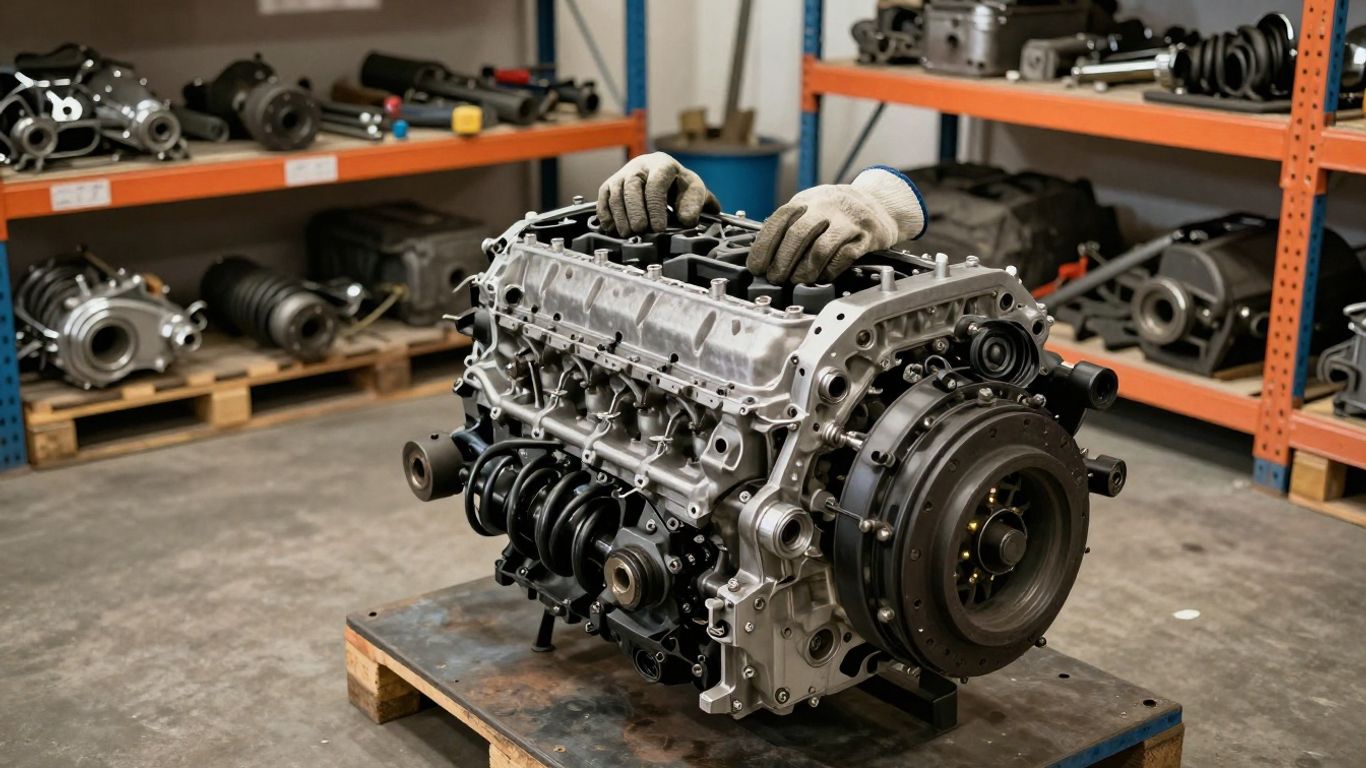
A used part should come with enough information for you to judge its likely value. The supplier may be able to describe the donor vehicle, removal date, visible damage, testing completed, and accessories included. You do not need a perfect component in every case, but you do need an honest description of its limitations. Reliability is shown through clear answers, consistent records, and a workable policy when something is wrong.
Questions to ask about testing and inspection
Ask what was checked before removal and whether the component was tested on the vehicle or inspected after removal. For electronic parts, clarify whether connectors, casings, and relevant functions were checked. For engines, transmissions, and driveline assemblies, ask about oil condition, leaks, rotation, compression or operational testing where applicable. The answer should be specific enough to distinguish an inspected part from one sold solely on appearance.
Understanding used-part condition grades
Condition labels are not universal, so a grade such as “A,” “good,” or “tested” needs an explanation. Ask whether the grade refers to appearance, operation, mileage, completeness, or all four. A panel can be structurally sound but need paintwork, while a mechanical component can operate correctly with cosmetic marks. Request photographs of damage and confirm whether missing brackets, sensors, keys, or trim are included.
Warranty, returns, and exchange policies
Before paying, read how long the warranty lasts, what it covers, and whether labor, fluids, diagnostics, or removal costs are excluded. Ask how quickly a problem must be reported and whether the supplier offers a replacement, exchange, credit, or refund. Some parts may have special conditions because they are electrical, modified, or installed incorrectly. Keeping the invoice, messages, and delivery photographs will make a return discussion much easier.
Checking customer reviews and business credentials
Reviews can reveal patterns in communication, delivery, part accuracy, and how disputes are handled. Look for recent feedback that relates to the type of component you need, rather than relying on a single enthusiastic or negative comment. Confirm that the business provides a physical contact method, a clear trading identity, and written sales terms. These checks do not guarantee a perfect transaction, but they reduce avoidable uncertainty.
A dependable used-part purchase starts with clear identification and ends with clear accountability.
Use that principle when weighing a polished listing against a supplier who answers practical questions directly. Good communication is part of the value of the part itself.
Compare prices for used Pajero parts
Price comparisons are useful only when every quote describes the same thing. A low figure may cover a bare component, while a higher figure may include brackets, sensors, accessories, testing, delivery, and warranty support. Ask for itemized quotes and avoid comparing headline prices alone. The best value is usually the option with the clearest scope and the fewest unresolved assumptions.
Getting accurate quotes from multiple wreckers
Send each supplier the same vehicle information, part description, photographs, and delivery address. State whether you need a complete assembly, a specific side, or a component with particular accessories. Ask for the part number, condition, mileage if known, delivery cost, and warranty terms in the same message. Consistent questions make the responses easier to compare and expose gaps quickly.
Comparing part price, delivery, and warranty value
Place the purchase price, delivery charge, warranty period, return conditions, and expected installation cost beside one another. A part that is slightly more expensive may still be cheaper overall if it arrives complete and has a practical exchange policy. Conversely, a long warranty has limited value if exclusions are broad or return freight is entirely your responsibility. Consider the likely cost of a second removal and installation when judging a major component.
Negotiating for complete assemblies and bundled components
A supplier may have related pieces from the same donor vehicle, such as an engine with its accessories, a door with hardware, or a suspension assembly with attached fittings. Ask whether a bundle is available and whether every included item is confirmed functional. Bundling can simplify fitment and reduce separate delivery charges, but only if you do not pay for unnecessary parts. Have the final contents listed on the invoice.
Recognising unusually low prices and hidden costs
An unusually low quote may indicate high mileage, cosmetic damage, missing accessories, untested operation, or a part that has been stripped for other components. It may also exclude delivery, packaging, core return requirements, taxes, or workshop-related costs. Ask why the price differs from comparable quotes and request photographs before deciding. A transparent explanation is more reassuring than a discount with no supporting detail.
Order and install your Pajero replacement part
Once the part and supplier are selected, slow down for a final confirmation. Many ordering problems happen after the correct component has been found but before the details are recorded. Make sure the quote, delivery arrangement, warranty, and return process are understood by everyone involved. If the repair is safety-critical or technically complex, plan the installation with a qualified technician.
Information to provide when requesting a quote
Give the VIN, model and build year, generation or series, body style, engine, transmission, drivetrain, and the exact part required. Add the part number, side of the vehicle, photographs, symptoms, and delivery suburb where relevant. Say whether you need a bare part or a complete assembly, and mention any accessories that must be included. Good information helps the supplier answer accurately instead of making assumptions.
Confirming the part before payment
Review the written quote against the vehicle details and the photographs supplied by the seller. Confirm the part number, side, condition, included components, delivery address, price, warranty, and return window. If the part is stored off-site or still awaiting removal, ask when its condition will be verified. Do not rely on a vague description when a short written clarification can prevent an expensive mismatch.
Preparing for professional installation
Ask the workshop to inspect the replacement part before fitting it and to compare mounting points, connectors, fluid ports, and included hardware with the original. Some assemblies may need seals, fluids, programming, calibration, or related wear items before they are ready for use. Keep the packaging until the part has been checked and tested. The installer should also document any unrelated faults discovered during the repair rather than attributing every issue to the replacement.
Safely disposing of the damaged or replaced component
Do not place engines, batteries, fluids, contaminated components, or sharp metal parts in ordinary household waste. Ask the workshop or supplier whether the old component can be returned, collected, or sent to an appropriate recycling or disposal facility. Drainage and handling should follow local requirements, particularly for oil, coolant, fuel, and other automotive fluids. Responsible disposal protects people, property, and the environment while keeping the repair process complete.
Conclusion
The strongest choice among Mitsubishi Pajero wreckers with free delivery Perth is not necessarily the cheapest listing. It is the supplier that can verify fitment, explain condition, state delivery limits, provide fair warranty terms, and stand behind the quoted component. With the VIN and part details ready, a written total cost, and professional installation arranged where needed, you can make a used-part purchase with far less uncertainty.