

Key Takeaways
A successful Lancer engine replacement depends on careful matching, honest condition checks, and a realistic installation budget.
- Confirm the engine code, model year, transmission, and electronics before buying.
- Compare used, reconditioned, and rebuilt engines by condition rather than price alone.
- Ask for mileage, service history, testing details, warranty terms, and return conditions.
- Budget for labor, fluids, seals, belts, hoses, and related parts during installation.
- Have the replacement engine inspected promptly if it develops smoke, leaks, noise, or warning lights.
Understanding your Mitsubishi Lancer engine replacement options
Replacing a Lancer engine is not simply a matter of finding another motor with the same badge. Model year, engine code, transmission, wiring, emissions equipment, and accessories can all affect whether a unit is a practical fit. The right choice usually comes from balancing purchase price, known condition, installation work, and the remaining value of the car. A little research before removal can prevent an expensive mismatch later.
Used, reconditioned, and rebuilt engines explained
A used engine is generally removed from another vehicle and sold in the condition described by the supplier, sometimes after cleaning or basic inspection. Its appeal is usually the lower upfront cost and the availability of complete assemblies. A reconditioned engine has typically undergone inspection and the replacement of selected worn parts, while a rebuilt engine has been disassembled and restored more extensively. The terminology is not always used consistently, so ask exactly what work was performed rather than relying on the label.
The warranty should be considered alongside the description. A longer warranty may still exclude labor, accessories, overheating, poor installation, or contamination from another failed component. Condition matters more than terminology when two listings use different names for broadly similar work.
Common Mitsubishi Lancer engine types and specifications
Lancers were sold with different petrol engines, capacities, engine-management systems, and transmissions across their model range. Older versions may differ substantially from later cars even when the engine size appears similar, and performance-oriented variants can have different mounts, wiring, cooling needs, and control modules. Treat displacement as an initial clue, not final proof of compatibility.
The engine code and donor details are more useful than a vague listing such as “Lancer motor.” Ask for the exact code, donor model and year, whether the long block or complete assembly is being sold, and which accessories remain attached. If a listing uses power or torque figures, treat those as identification aids only; they do not establish that the unit will plug into your vehicle.
Matching the replacement engine to your model year
Start with the vehicle identification number, build date, engine code, transmission type, and market specification. Compare those details with the donor engine before discussing freight or removal. Even within one generation, revisions to sensors, intake and exhaust components, engine mounts, and immobilizer systems can make a supposedly similar engine difficult to install.
A mechanic can also compare the original engine’s external components with the proposed replacement. Sometimes a compatible long block can accept accessories from the existing car, but that depends on the precise engine family and condition of the reusable parts. Get any required conversion work in writing, including who supplies brackets, sensors, wiring, and control-module solutions.
When an engine replacement is more practical than repairs
A replacement may make sense when the existing engine has severe internal damage, extensive overheating damage, low compression across several cylinders, or a repair estimate that approaches the car’s market value. It can also be reasonable when a suitable tested used unit is available and the rest of the Lancer is in sound condition. A cracked block or damaged crankshaft, for example, may require machining and parts that are difficult to justify on an older daily driver.
Repair remains attractive when the fault is limited to a serviceable component, such as a sensor, gasket, hose, or bolt-on accessory. Before choosing an engine, obtain a diagnosis that explains the failure and identifies related damage. Replacing the motor without correcting a cooling, lubrication, fuel, or electrical problem can leave the replacement exposed to the same failure.
How to choose reliable used Mitsubishi Lancer engines in Adelaide
Shopping locally can make inspection, collection, and communication easier, but location alone does not indicate quality. Ask for evidence that connects the engine to a particular donor vehicle and condition report. Adelaide conditions, transport distance, and the time the engine has been stored may also affect the practical risk. The more specific the seller is, the easier it becomes to compare one unit with another.
Checking engine mileage and service history
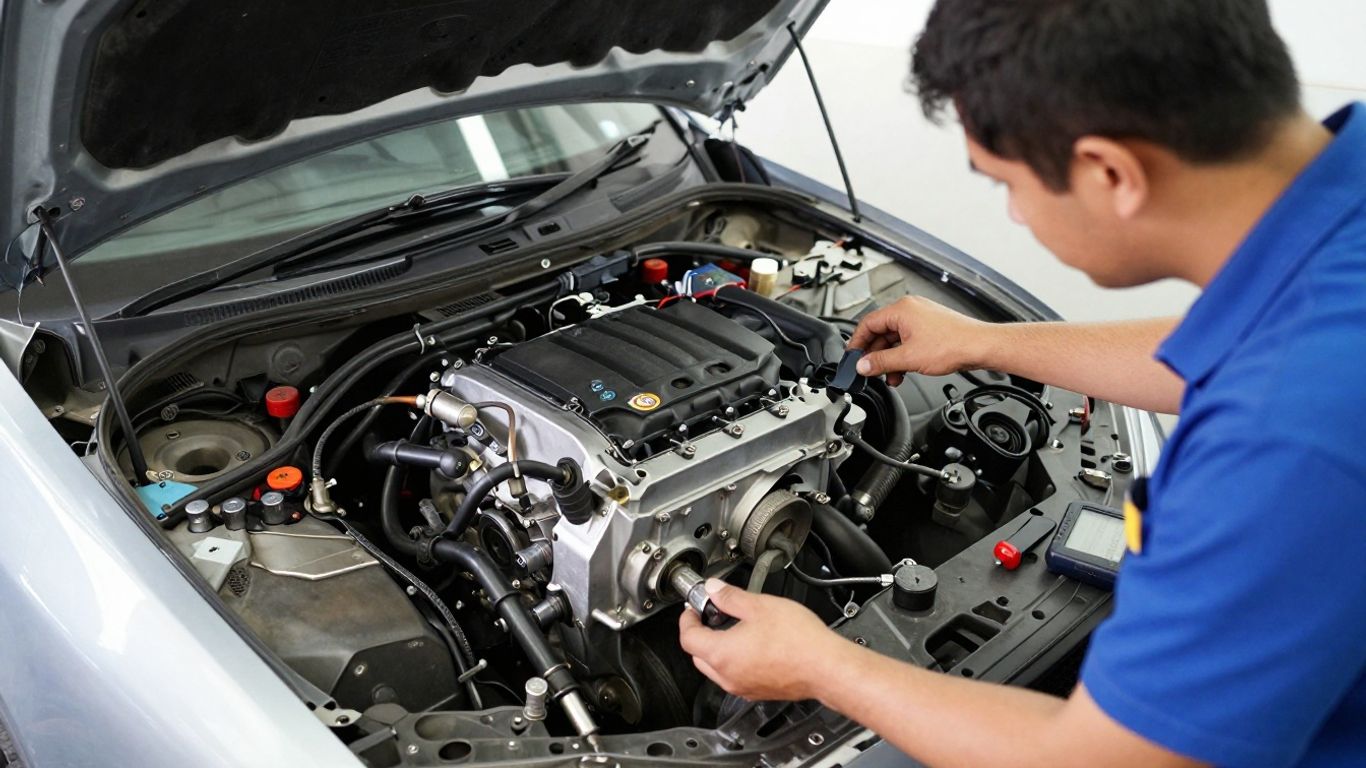
Mileage is useful, but it is only one part of the story. A higher-mileage engine with consistent servicing may be a safer proposition than a low-mileage unit with no supporting information. Ask whether the mileage is recorded from the donor vehicle, estimated, or simply copied from an advertisement, and request service records where available.
Look for details such as oil-change intervals, cooling-system repairs, timing-belt work, and the reason the donor vehicle was dismantled. A seller who can identify the donor, removal date, and stored components gives you more to assess than one who provides only a number. Adelaide Jap Dismantlers publishes a Mitsubishi engines list, but a list is not a stock guarantee, so confirm current availability and the individual unit’s details.
Verifying compatibility with the transmission and electronics
The replacement must work with the car’s transmission, engine-control system, immobilizer, sensors, and emissions equipment. Automatic and manual applications may use different flywheel, flexplate, crank-position, or control arrangements, while later electronic systems can require matching modules or original accessories. Confirm these points before purchase instead of assuming the installer can resolve everything cheaply.
Send the seller photographs of the original engine bay and the identification plate if necessary. Compare connector locations, mount points, intake and exhaust arrangements, and accessory drive components. If the supplier proposes transferring parts from your old engine, ask which parts are included and whether the workshop has allowed time for that work.
Inspecting compression, leaks, and visible wear
A visual inspection should cover oil and coolant residue, damaged connectors, broken brackets, corrosion, cracked housings, and signs of impact. If possible, request compression or leak-down information and ask whether the engine was turned over or run before removal. Those checks do not predict every future problem, but they provide more useful evidence than a clean exterior alone.
Pay attention to sludge under the oil cap, milky residue, damaged threads, missing plugs, and a dry or contaminated cooling passage. A used engine may be shipped without accessories, manifolds, sensors, or a starter, so distinguish missing sale items from missing or damaged engine components. Have an independent mechanic review photographs or inspect the unit when the purchase price makes that practical.
Asking about testing, warranties, and return policies
A written warranty should state the covered assembly, duration, claim process, and whether parts or labor are included. Ask what testing was completed, what oil and coolant condition is expected at installation, and whether the supplier requires a licensed mechanic to fit the engine. Keep invoices, photographs, diagnostic reports, and installation records from the start.
Adelaide Jap Dismantlers describes more than two decades of hands-on experience in cash-for-cars, wrecking, and auto recycling, but experience should not replace unit-specific questions. Confirm the warranty exclusions in plain language, particularly for overheating, lack of lubrication, modified vehicles, and parts transferred from the old engine. A clear return process is valuable if the engine arrives damaged or proves incompatible.
Where to buy a replacement Lancer engine in Adelaide
There is no single best source for every Lancer. Wreckers may offer useful donor information and affordable assemblies, while specialist suppliers can provide broader sourcing and freight options. Dealerships and independent mechanics may be more expensive at the purchase stage but can reduce uncertainty around diagnosis and installation. The best channel is the one that gives you traceable information, suitable support, and terms you understand.
Mitsubishi wreckers and auto recyclers
Wreckers and auto recyclers often source engines from vehicles being dismantled, making them a practical place to find discontinued or used assemblies. Ask about the donor vehicle, recorded mileage, damage location, storage method, and whether the engine was removed before or after the vehicle was assessed. Also confirm whether the advertised price covers a long block, complete engine, or selected accessories.
Adelaide Jap Dismantlers is described in available source material as having a Mitsubishi engine list and experience in the auto recycling industry. That makes its listings a starting point for enquiries, not a substitute for checking the exact unit. Confirm stock, compatibility, testing, and warranty terms for the engine you are actually considering.
Specialist used-engine suppliers
A specialist supplier may be able to search across several donor sources and explain the difference between a used, reconditioned, or rebuilt unit. This can help when your Lancer has a less common specification or when a direct local match is unavailable. Ask how engines are graded, what inspection records accompany the sale, and whether the supplier arranges delivery to your mechanic.
Specialist knowledge is most useful when it is specific. A confident answer should cover the engine code, transmission application, included accessories, and installation requirements. Be cautious if the conversation stays at the level of model name and capacity without identifying the actual assembly.
Dealerships and independent mechanics
A dealership can help verify factory fitment and may provide a new or approved replacement, although the total cost may be difficult to justify for an older Lancer. An independent mechanic may offer a more economical route by diagnosing the failure, sourcing a suitable unit, and completing the installation. Either way, request a written estimate that separates parts, labor, fluids, and related repairs.
The mechanic’s role is especially valuable before buying. They can identify whether the proposed engine matches the vehicle and whether the old accessories, mounts, clutch, cooling system, or electronics are reusable. Agree in advance about who handles a warranty claim if the replacement develops a fault after installation.
Online marketplaces and interstate sellers
Online listings can expand the search, particularly when local stock is limited. They also make it harder to inspect the engine, verify the description, and return a heavy mechanical component economically. Ask for clear photographs, donor information, test results, packaging details, freight insurance, and a written statement of what is included.
Interstate freight adds time and handling risk, so inspect the crate before signing for delivery and photograph any damage. Do not send a deposit solely because a listing looks inexpensive or urgent. A seller who will not provide the engine code, warranty terms, or a proper invoice is offering too little protection for a major purchase.
Estimating the total cost of an engine replacement
The advertised engine price is only one line in the replacement budget. Removal, installation, fluids, seals, freight, diagnosis, and unexpected related work can materially change the final figure. Ask for a staged estimate so you can see which costs are certain and which depend on inspection after removal. That approach is more useful than comparing bare engine prices.
Typical engine purchase prices
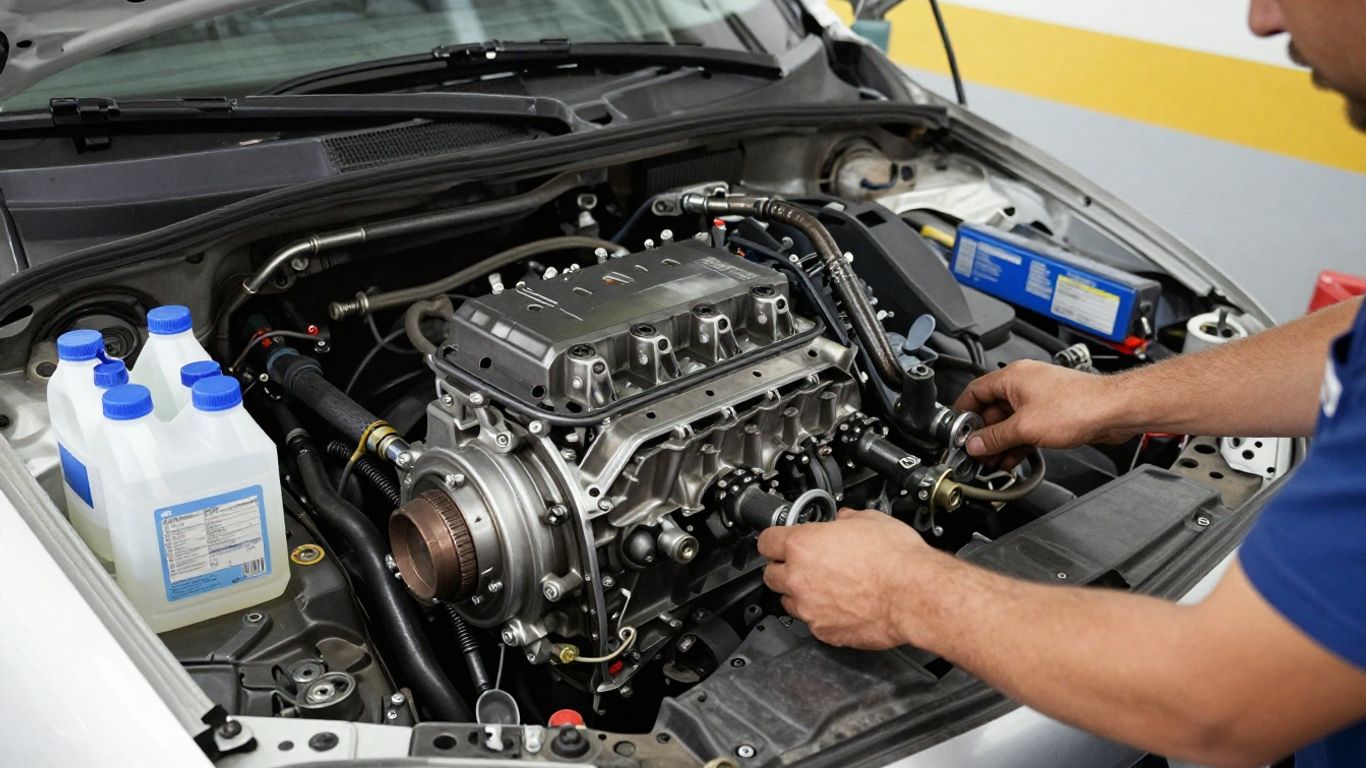
Used engines generally cost less than reconditioned or rebuilt units, but price ranges vary with engine code, availability, mileage, completeness, and warranty. A bare long block may look affordable while requiring accessories and sensors from the old engine. A complete assembly can cost more initially but may reduce transfer work and downtime.
Rather than relying on a generic online price, request an itemized quote for the exact engine. It should identify the assembly, donor details, included parts, freight, taxes where applicable, and warranty. Compare like with like: a tested complete unit and an unverified bare engine are not equivalent purchases.
Labor, fluids, seals, and installation costs
Installation usually includes draining and refilling fluids, disconnecting and reconnecting wiring and hoses, checking mounts, and configuring or testing the vehicle after the engine is fitted. Labor can increase when fasteners are seized, accessories are damaged, the engine bay needs cleaning, or the replacement requires component transfers. Ask whether diagnosis and post-installation scanning are included.
A sensible quote also allows for fresh oil, coolant, filters, seals, and other consumables. If the engine has traveled by freight, add delivery and inspection time. The cheapest engine can become the expensive option if unclear fitment creates extra workshop hours.
Extra parts worth replacing during installation
Access is often best while the engine is out of the vehicle. Depending on the engine and service history, the mechanic may recommend renewing timing-belt components, drive belts, hoses, thermostat, seals, filters, spark plugs, or clutch-related parts. These are not automatic requirements, and replacement should follow inspection and manufacturer guidance rather than a blanket parts list.
Discuss the reason and expected life of each proposed part. A small preventive repair may be economical when labor access is already available, while replacing sound components unnecessarily only inflates the project. Ask the workshop to distinguish essential fault correction from optional preventative work.
Comparing replacement costs with the vehicle’s value
Compare the complete project cost with the Lancer’s condition, registration needs, bodywork, tires, transmission, suspension, and likely future repairs. A sound car with a failed engine may justify the work, while a car with several major faults may not. The decision is personal as well as financial, especially if the vehicle has known history or is difficult to replace.
Use a written total rather than the engine price alone. Include towing, diagnosis, freight, installation, fluids, related parts, and a contingency for discovered damage. If the estimate approaches the car’s realistic market value, obtain a second opinion before authorizing removal.
Avoiding common problems with used Mitsubishi Lancer engines
Most unpleasant surprises begin before the engine reaches the workshop. A vague advertisement, rushed payment, or missing identification can turn a seemingly simple replacement into a compatibility dispute. Slow the process down enough to verify the unit and the contract. Clear records protect both the buyer and the installer.
Red flags in engine listings and advertisements
Be wary of listings that omit the engine code, donor vehicle, mileage source, photographs, included components, or warranty conditions. Stock images and phrases such as “fits all models” do not establish compatibility. A price far below comparable units may reflect missing parts, unknown history, damage, or a warranty too limited to be useful.
The wording should also match the product being sold. “Engine assembly,” “long block,” and “complete engine” can mean different things, so ask for a component list. Do not treat a clean photograph or a confident sales description as evidence of internal condition.
Risks of buying an unverified low-cost engine
An unverified engine can have low compression, hidden corrosion, oil contamination, damaged threads, or wear that is not visible in photographs. It may also have been stored poorly or removed from a vehicle with flood, fire, or impact damage. Even if it starts, a short demonstration does not establish long-term reliability.
The risk is not limited to the engine itself. A mismatch can lead to extra freight, workshop delays, wiring changes, and a difficult warranty conversation. Paying somewhat more for traceable history and documented testing may be cheaper than repeating the removal and installation process.
Confirming the engine identification and paperwork
Record the engine code, serial or identification markings where available, donor vehicle details, mileage evidence, invoice number, and photographs before installation. Give those records to the mechanic so the purchased unit can be checked against the vehicle. Confirm that the paperwork names the seller, buyer, item, price, and warranty terms.
If the engine arrives with a different identification marking or missing component, stop and resolve the discrepancy before fitting it. Do not modify brackets, wiring, or sensors simply to make an uncertain engine appear to fit. Written confirmation is safer than an informal promise made over the phone.
Understanding warranty exclusions and installation requirements
Warranties commonly depend on correct installation, suitable fluids, replacement filters, and prompt reporting of a fault. They may exclude accessories transferred from the original engine, labor, towing, overheating, oil starvation, racing, modifications, or damage caused by another failed system. Read the conditions before paying, not after a problem appears.
Ask how a claim is diagnosed and who pays for removal, inspection, freight, and reinstallation. Keep the workshop invoice and any required service records. The warranty is only as useful as the process for proving that its conditions were met.
A replacement engine is only as dependable as the diagnosis, installation, and follow-up supporting it.
That principle is practical rather than pessimistic. A good engine can fail when a blocked radiator, faulty oil system, damaged wiring, or installation mistake is left unresolved. Make the warranty conversation part of the purchase decision, then give the workshop enough information to meet its requirements.
Installing and maintaining your replacement engine
The installation is the point where careful buying either pays off or falls apart. Before the old engine is removed, document the fault, inspect related systems, and agree on the scope of work. After fitting, allow time for checks and correction rather than collecting the car immediately after the first start. Early attention can prevent a small issue from becoming internal damage.
Preparing the vehicle before installation
Confirm that the diagnosis supports replacement and that the proposed engine has been checked against the vehicle identification details. Inspect the cooling system, fuel system, wiring, mounts, exhaust, transmission interface, and accessories before installation begins. Clean contaminated areas and identify any components that caused the original failure.
Plan the consumables and transfer parts with the mechanic. New fluids and filters are usually part of a sound installation, while belts, seals, hoses, and clutch components should be assessed according to their condition and service history. Photographing the engine bay and connectors before disassembly can also help during reassembly.
Essential checks after the engine is fitted
The workshop should check fluid levels, hose routing, electrical connections, mount fasteners, belt alignment, and leaks before road testing. It should also confirm that the engine reaches normal operating temperature and that warning lights, charging, oil pressure, cooling fans, and throttle response behave as expected. A diagnostic scan can help identify electronic faults that are not obvious at idle.
Ask for the first-start and road-test findings in writing. Look under the car for fresh oil or coolant and listen for unusual tapping, knocking, whistling, or belt noise. A short, careful inspection after the vehicle leaves the workshop is worthwhile even when the installation appears smooth.
Running-in and early maintenance procedures
Follow the installer’s and engine supplier’s instructions for the first period of operation. Avoid heavy loads until the engine has been checked under normal conditions, and monitor oil level, coolant level, temperature, idle quality, and warning lights. Used engines do not all require the same running-in routine, so do not substitute generic advice for the written requirements attached to the unit.
Keep the first service records and ask when the oil and filter should be rechecked or replaced. Reinspect for seepage after the first drives, especially around transferred accessories and newly disturbed hoses. Early maintenance is a simple way to establish a baseline for the replacement engine.
Warning signs that require immediate inspection
Stop driving and arrange an inspection if the engine shows rising temperature, an oil-pressure warning, persistent smoke, coolant loss, heavy knocking, severe misfire, or a new belt noise. A small fluid leak can become serious quickly, and continuing to drive with an overheating or lubrication problem may damage an otherwise serviceable replacement.
Record when the symptom began, the engine temperature, warning lights, fluid levels, and any unusual sound. Do not dismantle or modify the engine before speaking with the supplier if a warranty claim may be needed. Prompt records and professional diagnosis give you the best chance of separating an installation issue from a faulty component.
Conclusion
Buying a replacement Lancer engine in Adelaide is a process of verification rather than guesswork: identify the exact application, compare the engine’s evidence and warranty, budget for the full installation, and have related systems checked before the car returns to the road. A carefully matched used engine can be a sensible repair, but the value depends on the quality of the information and workmanship supporting it.