cw-check-https://test.com/
cw-check https://test.com
Your blog category
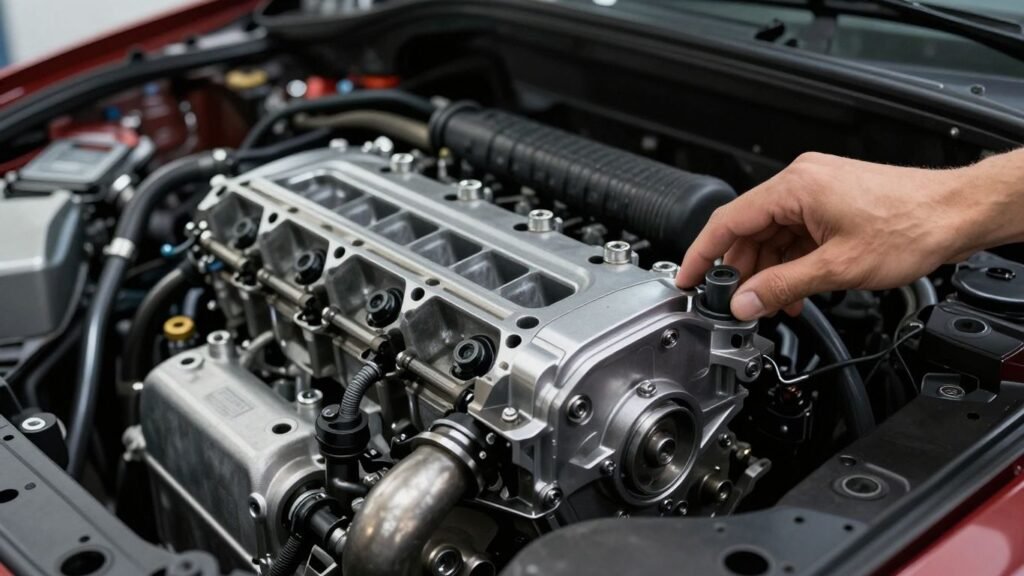
Key Takeaways Finding the right spare parts for your car involves careful research and a focus on long-term reliability. These essential points summarize how to navigate the market in the Australian capital: Professional wreckers offer significant advantages over private sellers regarding consumer rights. Always confirm that parts are tested for quality before final purchase. Using the vehicle identification number ensures components fit perfectly. Written receipts are non-negotiable for navigating future claims or returns. Transparency in a wrecker’s salvage process signals better inventory quality. Understanding the importance of warranties for used Mitsubishi parts Repairing an older vehicle often requires sourcing pre-owned components to keep repair budgets manageable. While the initial price is attractive, the absence of a guarantee can turn a good deal into a costly burden if the part fails soon after installation. Securing a warranty provides the necessary assurance that if a part has hidden defects, you are not left covering the additional expense of labor or replacement costs. Choosing established Mitsubishi wreckers with warranty on used parts Canberra serves to protect your interests during the maintenance phase. Why mechanical components require backup Mechanical parts like alternators, pumps, and engine sensors are subject to significant wear over time inside a functional vehicle. Even if a component appears intact externally, internal seals or bearings might be near their functional limit. A warranty acts as a safeguard, ensuring that you are not paying for a faulty unit that will fail under standard driving conditions. Distinguishing between dealer and wrecker warranties Dealer parts typically feature brand-new manufacturer guarantees which are straightforward but expensive. Conversely, wreckers provide specialized warranties focusing on the functional lifespan of salvaged parts. You should clarify whether the coverage applies specifically to the cost of the part itself or if it includes labor reimbursement should the installation fail. Evaluating the impact on long-term vehicle maintenance Effective maintenance relies on using parts that maintain the structural integrity of your car for years to come. By prioritizing parts with verified support, you are protecting your vehicle investment from the unpredictability of generic alternatives. This approach helps maintain resale value and ensures consistent performance for every Mitsubishi driver. Essential qualities to look for in a Canberra Mitsubishi wrecker The Canberra automotive market features various specialist businesses, but the level of service and quality control varies significantly between them. A reputable wrecker maintains their yard with a focus on organization and cleanliness, reflecting their overall attention to detail. Before choosing a supplier, observe their business practices to ensure they adhere to local regulations. Reputation and years of experience in the industry Long-standing businesses have navigated shifting market trends and mechanical standards over decades. They have seen common issues across various generations, allowing them to provide more accurate advice. Relying on a veteran service provider often results in better guidance regarding which components age poorly and which remain durable. Depth and variety of Mitsubishi inventory A diverse inventory ensures higher compatibility when searching for specific model components. To illustrate how different yards manage their stock, consider the following table showcasing common availability across various vehicle types. Vehicle Model Part Category Stock Status Mitsubishi Pajero Drivetrain High availability Mitsubishi Lancer Electrical Moderate availability Mitsubishi Outlander Cooling System High availability Maintaining a wide selection of components for common models like the Mitsubishi Pajero is a hallmark of a professional operation. This variety allows clients to find everything from sensors to heavy mechanical units in one location. Transparency regarding vehicle salvage sources Ethical wreckers remain open about where their salvaged vehicles originate. Understanding if the car was an insurance write-off due to cosmetic damage versus a mechanical failure helps determine the quality of the surviving parts. Honest operators will gladly explain their grading system for salvage items. How to verify the authenticity of used Mitsubishi parts Genuine parts ensure proper fitment and performance without needing complex modifications or workarounds during installation. Verifying the source of a part helps avoid incompatible aftermarket items that might look similar but fail to meet factory standards. Checking OEM part numbers against manufacturer databases Cross-referencing the engraved part number on your damaged component with the one found in the replacement part catalog is essential. Official databases provide detailed specs that help confirm you are purchasing the correct manufacturer-approved component for your specific engine configuration. Inspecting parts for structural fatigue or corrosion A visual inspection is often the first step in identifying long-term structural issues before even attempting an installation. Check connectors for signs of heat damage and ensure that metal casings do not show excessive rust, which could indicate the part was exposed to poor storage conditions. Identifying original components versus aftermarket alternatives Distinguishing between original parts and lower-quality aftermarket versions requires a close eye on branding and build markings. Authentic items almost always feature the manufacturer logo and specific build codes stamped directly onto the housing, differentiating them from cheaper generic production components. Steps for sourcing specific Mitsubishi components in Canberra Locating a specific component can be straightforward when you follow a structured search process. Using digital tools and providing clear documentation to your local wrecker ensures that the items selected for you are the correct match for your vehicle’s specific build date. Utilizing online inventory systems effectively Modern wreckers often integrate their stock lists into public databases, allowing you to filter parts by model and year before calling. This capability saves significant time and reduces the need for multiple trips, ensuring you know exactly what is available prior to arriving at the facility. Providing accurate vehicle identification numbers (VINs) Your VIN is the single most effective tool for confirming specific component matches for your car. By communicating this number to the staff, you receive parts that align perfectly with the engineering specifications of your particular vehicle, avoiding discrepancies between sub-series. Assessing the compatibility of parts across model years Sometimes, parts are interchangeable even if they originate from slightly different production years. However, professional assessment is necessary to confirm that mounting points, electrical connectors, and fluid lines align as intended.
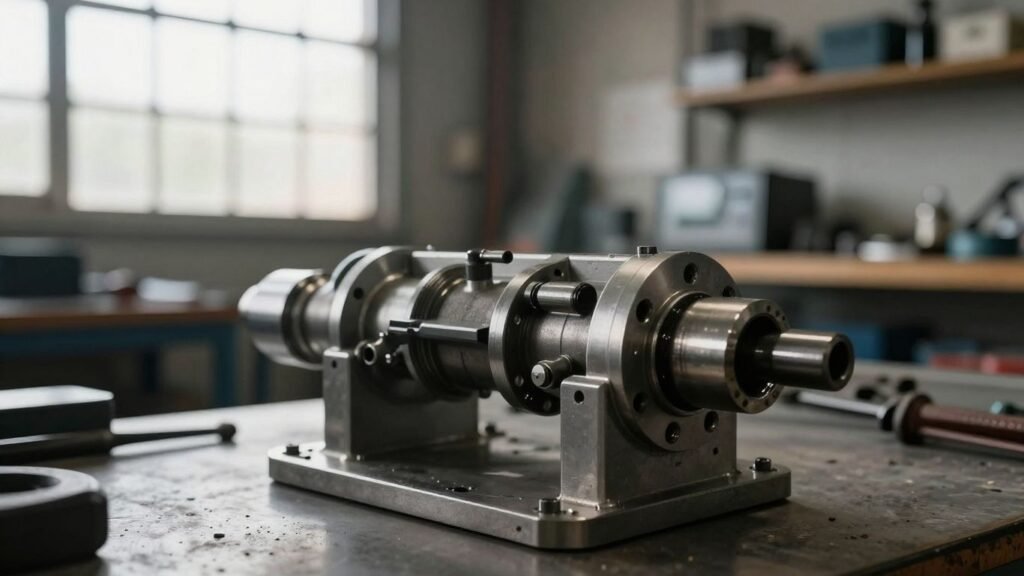
Key Takeaways Identifying the correct transmission ensures seamless vehicle operation and long-term reliability for your Mitsubishi. Finding quality parts locally involves careful selection of reputable salvage yards and specialized providers. Match your specific transmission model code to avoid installation issues. Prioritize parts that have undergone rigorous testing protocols. Use professional inspection techniques to verify internal fluid conditions. Confirm all warranty terms before finalizing your purchase agreement. Arrange secure transport to preserve the integrity of your replacement unit. Understanding your Mitsubishi transmission requirements Selecting the right drivetrain component requires a clear understanding of your vehicle’s mechanical specifications. Many owners fail to verify the chassis number against the unit’s build date, leading to incompatibility problems during the installation phase. Taking the time to gather exact data upfront is the best strategy for securing affordable second hand Mitsubishi transmissions Melbourne drivers can rely on for years. Identifying your specific transmission model code Every transmission carries a unique identifier stamped onto the housing or indicated on the vehicle identification plate. You must cross-reference this code with the potential replacement to ensure that the gear ratios and mounting points match exactly. Relying on visual similarities alone often leads to costly errors when attempting to fit an incorrect assembly. Automatic versus manual transmission differences Automatic units rely on complex valve bodies and torque converters, whereas manual variants prioritize clutch assemblies and internal synchronization gears. Distinguishing between these mechanisms dictates your maintenance requirements and the specific tools needed for a successful swap. Understanding these mechanical variations helps you narrow your search to parts that align perfectly with your existing drivetrain architecture. Compatibility requirements for different Mitsubishi model years Mitsubishi often updates electronic controls and sensor placements across different production cycles for the same model. Even minor changes in the manufacturing year can introduce differences in wiring harnesses or computer integration. Always verify that your vehicle’s electronic control unit can communicate with the replacement transmission before committing to a purchase. Sourcing high-quality second hand parts in Melbourne Locating reliable components in the metropolitan area requires a targeted approach that favors transparency and mechanical expertise. You need to explore various local channels to determine which suppliers prioritize the longevity of their stock over quick sales. By focusing your efforts on established networks, you can find parts that provide consistent performance without excessive repair costs. Evaluating reputable local wreckers and salvage yards General salvage yards may carry a high volume of vehicles, but finding a specific transmission necessitates a disciplined approach. You should ask about the origin of the part, ensuring it has been removed from a vehicle that had documented mechanical history. Many providers, such as All Good Parts, focus on verifying the functionality of their inventory through systematic testing procedures before placing items on the market. Benefits of purchasing from specialized Mitsubishi dismantlers Specialized businesses understand the nuances of the brand’s engineering and inventory needs better than general recyclers. A company that exclusively manages Mitsubishi hardware usually tracks common failure points and provides better validation for every unit they resell. This focus often translates to fewer installation complications and a higher likelihood of finding a compatible setup for your specific model. Feature Type General Wrecker Specialized Dismantler Dealer Service Technical Support Minimal Extensive High Quality Assurance Variable High High Pricing Low Moderate High Selecting the right supplier ensures you avoid the frustration of obtaining faulty equipment. While specialized dismantlers might charge a slight premium, the reduction in labor risks makes them a more economical choice over the long term. Navigating online automotive marketplaces and classifieds Digital platforms allow you to search through vast inventories across the city with minimal time investment. Always insist on seeing clear photographs of the transmission casing and the fluid condition before committing to a meeting. It is wise to leverage the presence of businesses like Just Mitsubishi, which maintain an online presence for sourcing genuine parts while providing clear documentation for their stock. Assessing the condition of a used transmission Verifying the internal health of a used unit prevents the unfortunate situation of installing a component that fails shortly after activation. A thorough physical assessment combined with documentation audits will help you gauge the remaining lifespan of the assembly. You should never skip this step, as it serves as the final barrier between a successful repair and an expensive mistake. Identifying signs of internal fluid contamination Fluid serves as the lifeblood of your transmission, and its current state tells a story about how the unit was maintained. Dark, burnt-smelling fluid is a red flag indicating severe heat stress and potential clutch slippage. If you find metal filings or excessive debris, it suggests that internal components are degrading and will likely cause imminent failure. Inspecting the transmission housing for cracks or previous repairs External casing integrity is essential for preventing leaks and maintaining consistent internal pressure. Look closely at the mounting points and bell housing areas, as any signs of welding or stress fractures could compromise the structural reliability of your vehicle after the installation is complete. If the housing appears compromised, it is best to look elsewhere for a unit that has not been subjected to severe trauma. A solid, clean exterior is often a good indicator that the internal components have been handled with care throughout the salvage and storage process. Requesting a torque converter and valve body status report Some reputable shops, such as Wholesale Automatic Transmission, perform detailed audits that include checking the valve body function and the health of the torque converter. Asking for these specific details demonstrates that you are an informed buyer who expects quality. This level of diligence ensures you are not paying for hardware that requires immediate internal remediation. Navigating warranties and return policies Understanding the legal and functional protections tied to your purchase provides peace of mind throughout the installation process. You must identify exactly what the warranty covers and how to keep it valid after the transmission is placed in your vehicle. Clear documentation is the most powerful tool you possess if

Key Takeaways Finding high-quality components requires a mix of technical knowledge and local connection to ensure you get value for your project. Establish relationships with reputable local wreckers who specialize in Japanese import vehicles. Join enthusiast clubs to gain access to private sales and trusted community recommendations. Always physically inspect rotating assemblies and structural parts before handing over any money. Verify provenance through service logs to avoid purchasing components damaged by previous track abuse. Calculate the total cost of refurbishments versus the price of a brand-new component before buying used. Identifying reliable sources for Mitsubishi Evo parts Tracking down specific hardware for these vehicles in the metropolitan area relies heavily on tapping into established networks. You need to identify suppliers who understand the specific needs of the 4G63 engine platform rather than general salvage yards. Consistency in your search tactics will eventually lead you to high-quality inventory that remains hard to find elsewhere. Local Sydney wreckers specializing in performance imports Many specialized wreckers in the region keep an inventory of imported engine components specifically for the Evo range. These businesses often act as primary hubs where high-quality salvaged parts are sorted and cataloged by model year. Evolution Racing Spares, for instance, maintains an extensive catalog of OEM bumpers and mounting brackets that suit specific chassis codes. Networking with local Mitsubishi performance car clubs Joining a dedicated local club provides access to members who are thinning out their personal inventories. These enthusiasts often remove working performance parts during their own vehicle upgrades, offering a reliable stream of high-quality items. Engaging with these communities allows you to discuss the history of a specific part directly with the person who installed it. Navigating online marketplaces and local community groups Digital marketplaces are effective if you know how to filter legitimate listings from opportunistic sellers. You should prioritize groups where sellers are required to provide detailed photos and proof of ownership. Exercising caution remains the best defense against mislabeled hardware, especially when looking for rare drivetrain components in the Sydney market. Essential components to inspect before buying Conducting a thorough physical appraisal of any component is mandatory before installation. Hidden damage often lurks inside housings or within moving parts, making visual checks from the outside insufficient. Always take the time to move every joint and check for cracks in metal surfaces to avoid costly mechanical failures later on. Assessing the condition of turbochargers and manifolds When checking a turbocharger, you must ensure there is no excessive shaft play in either radial or axial directions. Inspect the compressor and exhaust wheels for any signs of contact with the inner walls of the housing. Even a small amount of damage here typically indicates a complete unit failure that requires an expensive professional rebuild. Verifying transmission and drivetrain component longevity Transmission parts and differential internals require clean lubrication and smooth engagement. You should check that all splines are free of rounding and that the gear teeth lack any signs of excessive heat discoloration. Pro Speed Racing provides a garage compatibility function that can help you cross-reference specific drivetrain upgrades to ensure you are selecting the correct version for your particular model. Inspecting suspension and handling upgrades for wear Suspension components endure extreme forces during regular driving, so focus strictly on bushings, ball joints, and dampening seals. If you are buying used coilovers or sway bars, examine the surfaces for corrosion and ensure the adjusters operate freely without seizing. Part Type Inspection Point Warning Sign Control Arm Bushing integrity Cracking or torn rubber Coilovers Adjustment rings Seized or stuck threads Sway Bar Mounting points Surface fatigue or rust These physical checks are the only way to determine if a performance upgrade will actually improve your grip or just introduce unwanted play into your car’s handling dynamics. Assessing authenticity and history of performance parts Provenance is just as important as the physical condition of the item when you are hunting for rare performance upgrades. Sellers who keep meticulous records usually treat their vehicles with more care than those who do not. Understanding how a part was utilized helps you avoid items that were essentially used up on the track. Identifying genuine versus aftermarket performance specifications Distinguishing between genuine performance gear and cheaper replicas is vital for maintaining the intended reliability. Genuine parts usually feature exact casting marks or specific stamped serial numbers that match factory database records. Always compare the physical appearance of an item against known factory specifications before completing your purchase. Importance of service histories and previous build logs Build logs are invaluable because they provide a timeline of how the component has performed over thousands of kilometers. A documented history justifies a higher purchase price because you are paying for the known reliability and care of the previous owner. If the seller cannot provide any documentation, assume the part has not received the necessary maintenance cycles. Detecting signs of mechanical abuse or extreme track usage Intense track environments accelerate wear on critical components far beyond street usage. Look for evidence of excessive heat exposure, such as scorched paint or brittle plastic connectors, which suggests the unit was pushed to its thermal limits repeatedly. Following these clues helps you determine if a component is ready for another round of street driving or if it has entered the final stage of its functional life. Cost-benefit analysis of used versus new performance parts Calculating the true investment requires looking beyond the initial sticker price of the hardware. Used parts may offer significant savings, but the hidden costs of refurbishment can quickly close the gap between a bargain and an expensive mistake. You should approach every prospective purchase as an accounting exercise to ensure long-term value. Calculating potential savings on critical engine internals Engine internals carry the highest risk since a failure can destroy the entire block. While buying used might save you money upfront, you must balance this against the fact that internal parts often have non-reversible wear patterns that cannot be fully corrected by standard machining. Budgeting
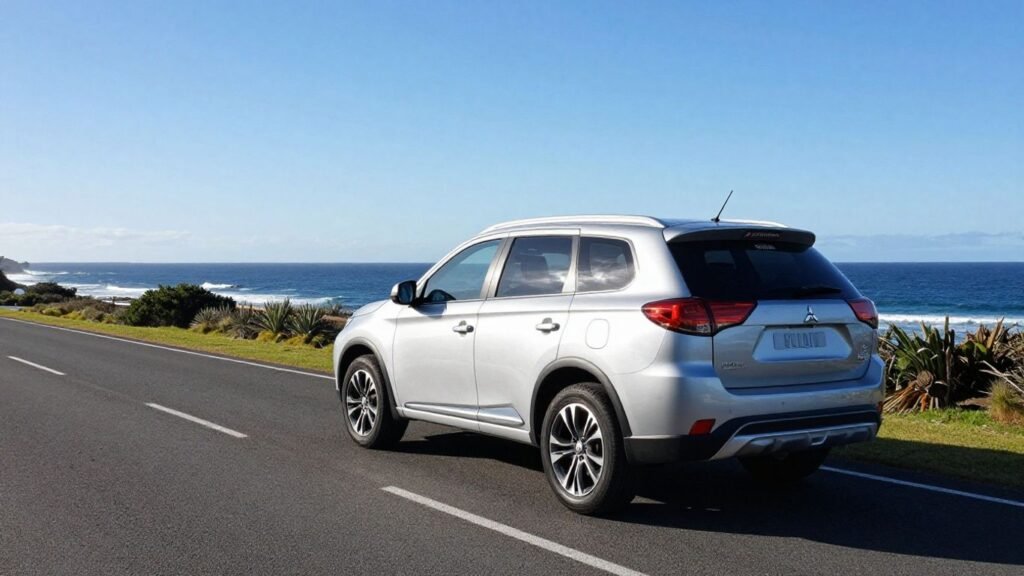
Key Takeaways Keeping your SUV in peak condition requires a reliable supply of vehicle components tailored to your needs. By understanding the local market and verifying compatibility, you can ensure your vehicle remains safe and efficient on the road. Identify the specific category of part needed for your repair. Locate authorized dealers in Wollongong for genuine items. Discover cost advantages through local automotive wreckers. Validate compatibility using your vehicle identification number. Follow consistent maintenance schedules for long-term vehicle health. Types of parts for your Mitsubishi Outlander Maintaining your vehicle often involves a mix of routine service items and occasional replacement components. Whether you are addressing wear and tear or enhancing performance, finding the right hardware is essential for long-term reliability. Exploring these categories helps you organize your next repair or upgrade project effectively. Common mechanical components These items form the backbone of your vehicle’s performance. Routine maintenance typically focuses on items like brake pads, oil filters, and spark plugs which are designed to withstand daily driving pressures. Interior and exterior trim pieces Cosmetic updates often involve replacing clips, handles, or molding that suffer from sun exposure or heavy use. Finding pieces that match your specific color code and interior finish helps keep the vehicle looking cared for. Electrical and sensory hardware From oxygen sensors to headlight bulbs, the electrical system in an Outlander manages critical diagnostic information. Because these components affect engine performance and safety, selecting quality hardware ensures accurate communication between parts. Performance and suspension upgrades Some owners choose to refine handling through replacement shock absorbers or specialized springs. Modern upgrades can help improve stability across the diverse terrain found in and around the Illawarra region. Where to find genuine Mitsubishi parts in Wollongong Finding the right components locally starts with established dealerships and specialized suppliers who prioritize quality. When you source Mitsubishi Outlander parts Wollongong residents trust, you ensure every element fits exactly as the manufacturer intended. Relying on verified local channels reduces the risk of encountering sub-par aftermarket alternatives. Authorized dealership parts centers Gateway Mitsubishi serves as a primary hub for owners needing authentic components. By using dealership services, you ensure that every part is manufactured to strict factory standards, protecting your vehicle’s long-term performance. Specialized automotive retailers in the region Various independent shops in the area supply high-quality components for those who prefer direct, face-to-face service. These retailers often carry a wide inventory that manages to bridge the gap between heavy repair needs and standard maintenance. Online ordering options with local pickup Many local suppliers allow you to check stock and order online, providing a convenient way to secure parts before visiting. This hybrid approach helps you verify availability while still gaining the benefit of local expertise and support. Verifying genuine OEM certification Authentic parts are typically packaged with clear branding to confirm they meet original equipment standards. Always check for proper certification markings on the box to distinguish legitimate components from cheap imitation variants that lack the necessary testing. Benefits of buying from local wreckers in the Illawarra Choosing recycled components offers a unique pathway for older vehicles that no longer require brand-new factory parts. This practice not only keeps costs down but also provides a sustainable alternative for sourcing rare or discontinued items. Exploring the local wrecking yards can often yield surprisingly high-quality finds for your repair projects. Cost-effective solutions for older models For vehicle owners managing a tighter budget, used components represent a significant financial saving. Salvage yards are frequently well-stocked with older model parts that still have years of functionality remaining. Access to hard-to-find discontinued parts Many salvageable components found in local wrecking yards provide a vital lifeline for older models that are no longer supported by modern production lines. This benefit means you can often keep an older Outlander on the road long after the factory has ceased making specific replacement pieces. Access to such inventory is often the only way to avoid invasive and expensive custom modifications to your vehicle. Environmental impact of recycling auto components Recycling automotive steel, rubber, and glass reduces the need for raw material extraction and manufacturing energy. By reusing functional parts, you contribute to a circular economy that significantly lowers the carbon footprint of your vehicle maintenance. Inspecting used parts before purchasing Always take a moment to examine the physical condition of a used item before money changes hands. Check for signs of excessive wear, rust, or damage to ensure the component is actually ready for installation. Key factors when choosing between new and used components Deciding between a fresh-from-the-factory part and a recycled one depends on the nature of the repair. While safety-critical systems usually demand brand-new hardware, cosmetic and secondary components often work perfectly well as salvaged items. Having a clear strategy helps you balance your budget without compromising the overall reliability of your car. Evaluating remaining service life When assessing a used part, consider how much life it has left compared to its original design. Components with moving parts often degrade over time, while static parts like interior trim offer more predictable longevity. Manufacturer warranty considerations Genuine parts sourced from a dealer or certified retailer generally come with a standard 12-month or 20,000 km warranty. Understanding these terms is vital, as using unauthorized components can sometimes complicate your existing coverage agreements. Assessing financial feasibility for repairs Component Type Expected Cost Recommended Source Safety Sensors High Authorized Dealer Body Panels Moderate Wrecking Yard Cabin Filters Low Retailer Selecting your parts based on the type of repair ensures you are spending your money where it counts. While some items justify a premium price, others provide better value when sourced from a value-focused outlet. Risks of aftermarket compared to factory parts Aftermarket components often lack the rigors of factory-level testing and may not offer the same precise fit as original parts. Choosing authentic items ensures that the geometry and material composition perfectly match your Outlander’s design specifications. Essential tips for verifying part compatibility Matching parts to your exact vehicle model is a task that
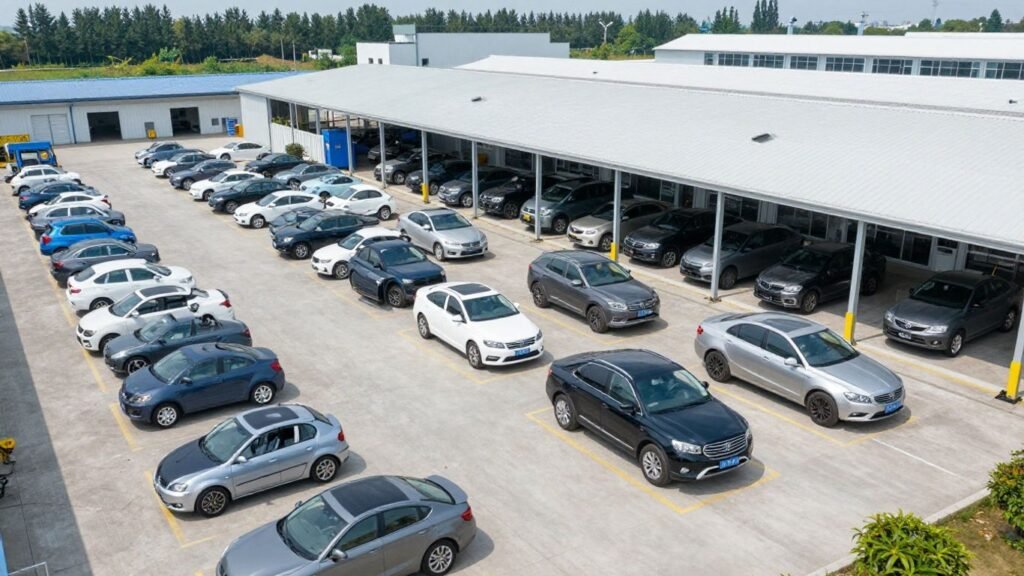
Key Takeaways Properly managing an end-of-life vehicle can provide significant value while supporting sustainable practices across the region. Mitsubishi wreckers Sunshine Coast provide reliable options for disposing of unwanted vehicles professionally. Salvaged parts undergo rigorous inspection processes to ensure quality and compatibility. Local wrecking services contribute to a circular economy by reusing steel, aluminum, and plastics. Preparation of ownership documentation is essential for a smooth and legal valuation process. Reputable wreckers prioritize environment-friendly fluid disposal and regulatory compliance. Understanding the Mitsubishi wrecking process When a vehicle reaches the end of its road, it transitions into a structured recycling workflow that prioritizes part recovery and material reclamation. This mechanical lifecycle begins with an initial check of the vehicle’s history and salvageable components. Experienced technicians then evaluate which systems remain functional for future use. How salvaged parts are sourced Technicians carefully dismantle vehicles to isolate components that retain their integrity. Every saved piece, whether it belongs to a Mitsubishi Triton or a commuter sedan, is cataloged by its specific build date and condition. This precise extraction prevents damage to adjacent parts during the removal phase. Refurbishment and quality testing Once removed, parts undergo a cleaning and verification sequence. Specialists assess whether components like alternators or transmissions require further restoration before being moved to the store room. This testing phase ensures that buyers receive functional hardware rather than just scrap metal. Inventory management for specific models Efficient wreckers organize their stock based on make and model compatibility. By maintaining detailed records, they can quickly tell if a part from a Mitsubishi Pajero will fit within another user’s repair project. This structured database minimizes wait times during the search process for specialized hardware. Benefits of choosing local Mitsubishi wreckers on the Sunshine Coast Choosing a service provider within your immediate vicinity creates several logistical and financial advantages for car owners. Local operators understand the specific needs of the community and provide a more personalized approach to vehicle disposal. By working with nearby professionals, you avoid complex transport arrangements while benefiting from their regional expertise. Fast and free scrap car removal Most local facilities handle the heavy lifting for you, often providing zero-cost towing services. Their team arrives at the indicated location, safely secures the vehicle, and transports it to their yard. This process removes the burden of managing non-operational cars that would otherwise clutter your driveway. Saving money on genuine used spare parts Opting for reclaimed components is a budget-friendly way to keep older vehicles running for years to come. Many buyers find that used inventory offers a significant cost advantage when compared to purchasing brand-new manufacturer stock. Part Component Typical New Price Typical Used Price Potential Savings Alternator $450 $150 $300 Side Mirror $200 $60 $140 Starter Motor $380 $120 $260 These price differences allow drivers to invest in quality repairs without needing to commit to original retail pricing. The availability of these parts ensures that essential vehicle functions remain affordable. Supporting the local Sunshine Coast economy Engaging with regional businesses helps circulate capital within the local area, supporting technical jobs and infrastructure. When you sell or purchase through these firms, you directly assist in maintaining a healthy, functional local industry. This focus ensures that resources and expertise remain anchored to the region. Providing disposal solutions for damaged fleet vehicles For companies managing multiple cars, local wreckers provide streamlined disposal services that handle high volumes. This helps businesses clear their balance sheets of older assets while ensuring the metal is processed responsibly. It represents a practical strategy for corporate maintenance that keeps fleets from piling up in storage areas. Preparing your vehicle for an auto wrecker Ensuring your car is ready for arrival helps the valuation team conduct their assessment without unnecessary friction. By taking the time to prepare the vehicle, you clear the way for an accurate estimate of its worth. A clean and organized vehicle signals to the operator that the equipment has likely been maintained throughout its life. Removing personal belongings from the interior Before the vehicle is towed, double-check all compartments for personal items. Glove boxes, door pockets, and trunks often hide keys, documents, or small valuables that might be overlooked. Clearing the interior makes it easier for the dismantling team to access specific dash or sensor components quickly. Organizing necessary ownership and title documents Professional wreckers are legally required to verify the source of their incoming stock. Have your registration papers and proof of ownership readily available for the team upon their arrival. This prevents delays and ensures the transfer process complies with regional laws. Assessing the condition of removable accessories If you have added aftermarket components to your vehicle, decide which ones you intend to keep. While a roof rack or a specialized stereo might add perceived value to you, they often do not affect the scrap-metal estimate of the vehicle. Identifying these items in advance allows you to remove them safely without rushing. Cleaning the exterior of your car A simple rinse or brush-down of the exterior can help the appraiser see the true state of the body panels. Hidden rust or impact damage is more visible when the surface is clear. While this will not change the structural integrity, it certainly makes the overall inspection process easier to document. What to expect during the vehicle valuation Vehicle valuation is a data-driven process that considers the current market state and the condition of the specific unit. Appraisers look for clear evidence of usable parts against the base value of the metal. Understanding this balance helps set realistic expectations for the financial return you might receive. Factors that influence scrap value Market demand for steel and aluminum remains the foundation for almost every car sale. The appraiser will account for the current price per ton of these metals when calculating their offer. Beyond raw metal, the rarity of certain functional components can also boost the final valuation. The importance of model year and mileage Newer models, such as recent versions of the Mitsubishi Lancer or Outlander,
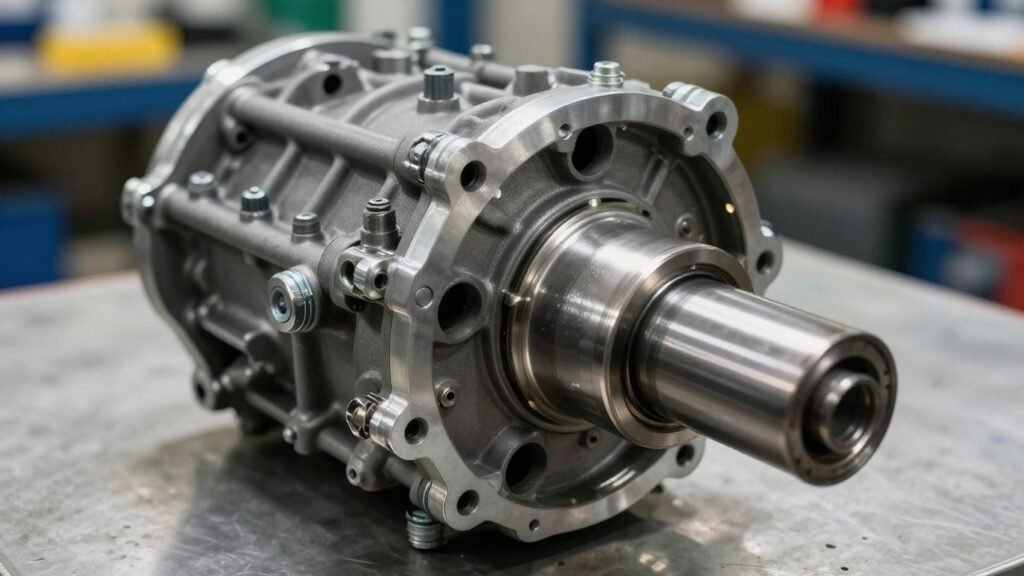
Key Takeaways. Securing a reliable replacement for your vehicle involves careful research and professional validation of technical specifications. Here are the five most essential points to consider when searching for components. Begin by cross-referencing your specific transmission code with the official manufacturer documentation. Local wreckers in Geelong offer the advantage of visual inspection before finalizing a purchase. Always verify the maintenance history and mileage of the unit to ensure expected longevity. Professional installers should handle the synchronization of electronic control modules to prevent shifting errors. Comprehensive warranties provide critical protection against premature failure after installation. Understanding your Mitsubishi transmission requirements. Finding the correct assembly for your vehicle requires an understanding of the mechanical variations across different production years. Many owners assume that simply matching a vehicle’s make is sufficient, but internal gearing and control modules can differ significantly even within the same production cycle. Taking time to map out your specific needs will prevent expensive mistakes during the repair process. Identifying your vehicle model and transmission code. Every vehicle is identified by a unique vin or data plate located in the engine bay or door sill. This information often lists a specific transmission code that corresponds to the internal gear ratios and output shaft configurations required for your chassis. Relying on this code ensures that bolt patterns and bell housing dimensions align perfectly for a seamless fit. Differentiating between manual and automatic transmission types. Selecting the appropriate transmission requires awareness of the distinct operational needs of modern gearboxes. While manual units focus on clutch engagement and shifting precision, automatic systems depend on complex fluid pressures and hydraulic controls. Ensuring your replacement matches the exact system configuration is non-negotiable for proper torque delivery and vehicle performance. Matching your transmission to your engine series. Engines often work in tandem with specifically tuned transmissions to maximize fuel efficiency and power output. Pairing a transmission from a different engine series can lead to communication breakdowns between the engine control unit and the gearbox sensors. Ensuring correct engine compatibility is the baseline for achieving smooth power transitions and maintaining the overall structural integrity of the powertrain. Essential maintenance history to verify before purchase. Assessing the pedigree of a used unit is as important as the physical component itself. Seek out service records that document regular fluid flushes and filter replacements throughout the vehicle’s lifespan. An assembly with a clean, well-maintained history is statistically more reliable than a unit with unknown origins or a long gap in maintenance logs. Where to find reliable used Mitsubishi auto parts in Geelong. Geographical convenience often balances with shipping costs when sourcing significant heavy components like transmissions. Geelong hosts a variety of automotive recycling operations that can provide competitive access to clean units without the overhead of long-range transport. Leveraging local resources allows for a more personal touch regarding inventory verification and quality assurance. Researching local wreckers and recycling yards. Establishing a relationship with neighborhood recyclers allows you to inquire about current stock before traveling to the site. Many yards keep organized databases that track the arrival of popular models, which can save hours of physical inspection time. A well-managed yard typically cleans and tags components upon vehicle arrival to ensure their condition is maintained while in the inventory. Evaluating online marketplaces versus local inventory. Online platforms offer broader search capabilities across multiple regions, but they often lack the opportunity for direct inspection. Local inventory enables you to view the item in its raw, uncleaned state, which sometimes reveals more than a polished online listing. Balancing the convenience of a digital search with the physical confirmation of a local visit remains a high-value strategy for most buyers. Benefits of buying from specialized Japanese car wreckers. Specialized wreckers focus exclusively on vehicles like the Pajero or Lancer, resulting in deep technical knowledge and a better inventory of compatible sub-assemblies. These experts understand the common points of failure in these specific architectures and can often advise on secondary parts that might need replacement simultaneously. Utilizing their experience minimizes the risk of purchasing an incompatible unit. Assessing the credibility of local auto parts suppliers. A reputable supplier should be transparent about their testing processes and the source of their inventory. Ask about their retrieval methods, as units pulled from wrecked vehicles should be handled carefully to avoid damaging seals or external housings. Credible businesses are usually eager to share their inspection reports to maintain their standing in the regional automotive community. Inspecting a second-hand transmission for quality assurance. Visual cues often provide the first indication of a transmission’s internal health before it is ever bolted onto your vehicle. A thorough inspection process requires attention to fine detail that can save you significant trouble later. Developing a systematic approach to verifying a unit before purchase is a mandatory step for any cautious buyer. Checking for physical damage or fluid leaks in the casing. Start by examining the outer shell for any visible cracks, welding repairs, or signs of heavy impact. Leaking fluids around the bell housing or output seals are immediate indicators that internal gaskets may have hardened or failed over time. A clean, dry external surface is typically the strongest sign of a sealed and well-cared-for unit. Testing torque converter condition and internal components. The torque converter plays a vital role in transferring power, and any sign of rattling or metallic debris inside the fluid can indicate internal grinding. Carefully rotating the input shaft while holding the output shaft can reveal any irregular resistance or noise. These simple manual checks verify that the internal assembly moves without binding or excessive play. Importance of verifying mileage and documented history. Lower mileage is a general indicator of reduced wear, but vehicle usage patterns remain equally critical. A unit with higher mileage that served primarily on highways is often in better condition than a low-mileage unit subjected to constant stop-and-go commuting. Always prioritize components that lack severe environmental exposure and have verifiable maintenance logs. Red flags that suggest a transmission is nearing end-of-life. Recognizing signs
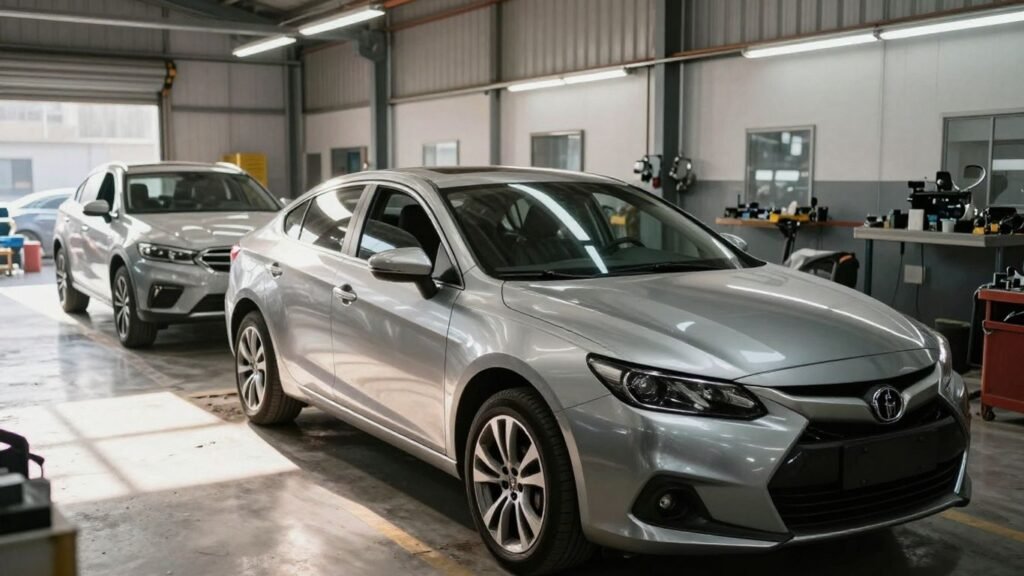
Key Takeaways Finding the right service for your vehicle involves understanding market value, quality assessment, and local regulations. Here are the core aspects to consider: Professional wreckers accurately evaluate scrap vehicles based on age and condition. Dismantling facilities prioritize salvaging usable mechanical parts to reduce waste. Always source components from reputable wreckers that offer verifiable warranty policies. Preparation is essential for a smooth collection process and fair cash payment. Local wrecking providers often offer better logistics for heavy parts than online sellers. Understanding Mitsubishi Lancer wrecking services in Melbourne When your vehicle reaches the end of its road, local services provide a structured way to handle its disposal. These professionals help clear space in your driveway while ensuring that the iron and steel are recycled correctly, keeping old cars out of landfills. How wreckers evaluate your vehicle’s value Wreckers begin the evaluation by looking at the car’s current state and determining which components remain functional. They assess the mileage and the overall integrity of the frame to decide if the vehicle is better suited for parts recovery or total metal recycling. The process of dismantling retired Lancers Dismantlers remove hazardous materials first, such as battery acids and remaining fuels, to prevent environmental contamination. Once the car is safe, they strip away body panels, interior trim, and engine parts to catalog them for future buyers. Environmental benefits of using professional wrecking yards Professional facilities operate under strict guidelines to ensure recycled materials are processed without leaching chemicals into the soil. By extending the lifespan of parts, these yards significantly lower the carbon footprint associated with manufacturing brand new automotive components. Finding high-quality spare parts for your Lancer Locating reliable replacements requires a basic understanding of what fits your specific model year. Many professional yards have digitized their inventory, making it much simpler to check for matching engines or transmissions before you even leave your house. Identifying compatible parts across different Lancer generations Cross-referencing part numbers is necessary because minor engineering updates often occur between production years. Even if a body style looks identical, internal mounting points or electrical connectors might differ significantly, requiring careful verification before a purchase is finalized. Assessing the condition of second-hand mechanical components Visual inspections of seals, gaskets, and moving surfaces often reveal signs of excessive wear. Reputable businesses like Just Mitsubishi perform thorough testing on salvaged items to verify they function as intended before offering them to customers. Component Type Condition Check Expected Life Alternator Tested for voltage output Medium Starter Motor Checked for gear engagement Medium Brake Calipers Inspected for fluid leaks High These checks provide the necessary assurance that the mechanical part you install today will hold up under daily driving conditions. Relying on professional testing adds a vital safety layer to your repair process. Benefits of buying salvaged parts versus aftermarket alternatives Salvaged parts are often sourced from genuine factory inventories, which typically ensures tighter tolerances and perfect fitment compared to generic alternatives. This reliability is a primary reason why experienced hobbyists often prefer these components over cheaper, non-genuine replacements. Assessing the reputation of a Melbourne wrecker Selecting a trustworthy provider is crucial for getting fair service and honest advice about your vehicle. A strong reputation is built on transparency, especially when dealing with older models that may have limited part availability. Checking online customer reviews and industry ratings Before engaging with a service, look for recent feedback from other car owners regarding their experiences with staff and pricing. Positive mentions of prompt communication and accurate part descriptions frequently characterize the most reliable businesses in the metro area. Verifying proper licensing and environmental compliance Legitimate operations follow regional disposal laws that mandate the safe handling of oils and toxic materials. Vic Mitsubishi Wreckers is one example of a facility that emphasizes sustainable recycling practices while maintaining necessary industry credentials for their operations. Evaluating the availability of parts warranties Reliable operators often stand behind their inventory with a standard parts warranty that protects you against defects found shortly after installation. Knowing that a business will offer a replacement or refund for faulty items provides critical peace of mind for any mechanical job. Getting cash for your scrap Lancer Turning a non-functional car into cash helps reclaim value from an otherwise idle asset. Whether your car was involved in a collision or simply stopped running, many local professionals are interested in purchasing it regardless of its starting ability. Calculating the scrap value based on model year and condition Providers look at the current weights of recyclable metals within your specific car to estimate a baseline payout. Newer models with intact electronics or specialized high-demand parts often fetch a premium if they can be harvested for inventory. Preparing your vehicle for the collection process To ensure a hassle-free pickup, remove all personal belongings from the cabin and trunk before the team arrives. It is also helpful to have your keys ready, as this signals that you are prepared to transfer ownership and proceed with the transaction without delay. Providing clear access to your driveway and verifying there are no loose items inside the car streamlines the removal for your chosen wrecking professional. This cooperation often speeds up the validation process and helps ensure an efficient, timely experience for everyone involved. Clear communication regarding the vehicle’s location and ease of access ensures the towing crew can load the car safely. Once they have completed their inspection, the transaction can be finalized on-site to your satisfaction. Understanding how title and documentation are handled Proper ownership transfer is a legal requirement that protects you from future liability related to the vehicle. Ensure that you retain a signed copy of the disposal documentation as proof of the legal hand-off and deregistration where applicable. Comparison of local wrecking versus online platforms Choosing between regional providers and national digital portals requires balancing speed with convenience. While web-based platforms offer a vast inventory, local service providers provide tangible benefits regarding communication, logistics, and immediate support. Advantages of immediate local parts availability Visiting
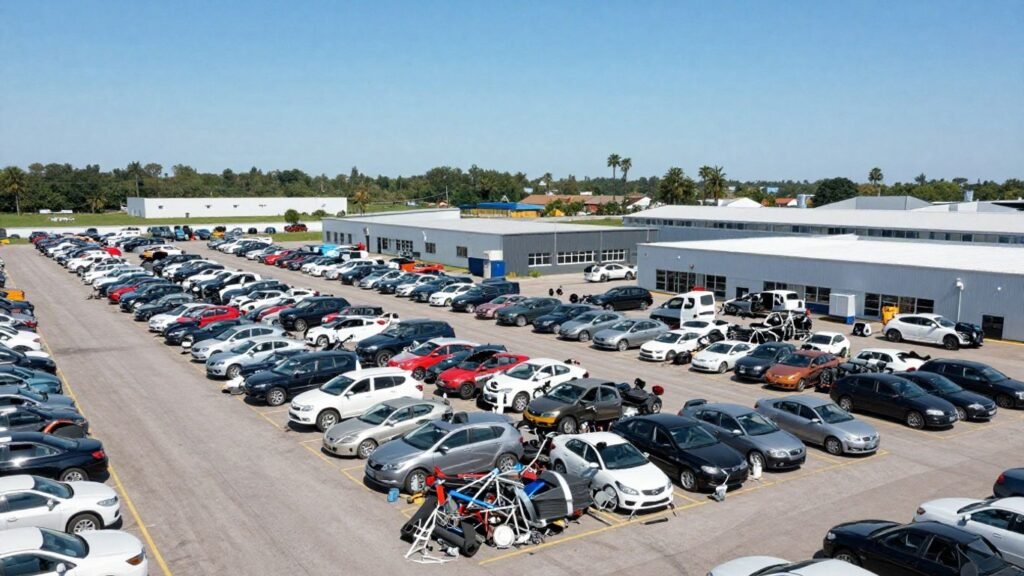
Key Takeaways Selecting a local service for your vehicle salvage needs significantly impacts both the regional economy and your own convenience. Here are the primary points to keep in mind: Local wreckers offer cost-effective and sustainable ways to manage end-of-life vehicles. Professional certification and transparent history are key indicators of a reputable business. Understanding the individual value of parts like engines or gearboxes helps secure fair pricing. Modern vehicle salvage requires specialized knowledge to handle electrical and hybrid systems safely. Proper document preparation and site clearance make the collection process smoother and quicker. Benefits of using local Mitsubishi wreckers Opting for local services near the Central Coast provides a streamlined experience for those transitioning their older vehicles out of commission. When you stay local, you reduce the logistical burden of moving large assets across long distances. This commitment to local industry strengthens the regional supply chain and ensures that valuable resources remain accessible to nearby mechanics and hobbyists. Cost-effective access to genuine parts Local wreckers often hold a diverse collection of components pulled from retired vehicles that are still perfectly functional. By sourcing parts locally, owners avoid the inflated prices often associated with shipping components from major regional hubs. Having a direct connection to these supplies keeps repair costs manageable for ongoing vehicle maintenance. Reduced transport and logistics costs Shipping heavy car parts or transporting a non-functioning vehicle across large distances creates significant expense. By dealing with regional services, you minimize the mileage and labor required for transit. This proximity naturally lowers the bottom line for your service requirements. Supporting the local Central Coast circular economy The practice of dismantling and re-purposing vehicle parts is a pillar of the local sustainable economy. Keeping these operations within our immediate region encourages the reuse of raw materials and functional hardware rather than simply sending everything to a landfill. It represents a practical approach to waste reduction that benefits the entire community. How to identify a reputable Mitsubishi wrecker on the Central Coast Selecting the right partner for your vehicle decommissioning requires a bit of scrutiny regarding their business operations. You want to ensure the facility follows established protocols, which protects you from issues related to improper disposal or unauthorized handling. A reputable business will be transparent about their processes and professional in every interaction. Verifying licenses and certifications A legitimate operation should always provide proof of their current business licenses and valid environmental certifications. These documents serve as a baseline for safety and legal compliance in New South Wales. You should feel comfortable asking for these details during your initial inquiry to verify they operate within current laws. Checking customer reviews and online reputation Looking at feedback from other customers provides a glimpse into the reliability of the yard you are considering. Consistency in positive service, timely communication, and professional conduct are markers of a business that values its local standing. This simple research helps avoid unreliable operators and provides peace of mind before you hand over your keys. Assessing the scope of spare parts inventory An extensive inventory demonstrates that a yard is well-established and capable of managing a wide variety of models. When a wrecker maintains a large stock, it indicates their technical proficiency and ability to identify which components retain value. You can compare the variety of their stock by observing the range of vehicle years and types included in their catalog. Assessment Category Expected Standard Benefit to Customer Safety Certification Valid and Updated Ensures legal handling Inventory Depth Multiple Recent Models Higher chance of matching parts Service Turnaround Under 48 Hours Faster clearance times This table illustrates exactly what a professional operation prioritizes, which helps you verify that your chosen wrecker maintains an efficient work environment for all its clients. Understanding the value of your damaged Mitsubishi Before you reach out to a business, it is helpful to have a basic grasp of the factors that determine a vehicle’s value. Not every damaged model is the same, and different parts possess varying levels of demand in the secondhand market. Being informed allows for a more constructive conversation during the appraisal process. Factors affecting scrap metal pricing Scrap pricing is generally tied to current market rates for various metals, such as steel and aluminum. However, these rates can shift based on global demand and regional transportation costs. These market fluctuations mean that the value of your vehicle as raw material might vary slightly over time. Assessing the condition of reusable components A vehicle’s true value is often hidden beneath the hood, where functional components like gearboxes and electrical sensors remain highly sought after by those performing their own repairs. This insight is why assessing specific parts is so crucial rather than looking only at the overall weight. When key mechanical pieces are in good shape, the final valuation often reflects the potential for resale rather than just the scrap value of the frame and body. Preparing an accurate description for the wrecker Providing detailed information about your car, such as its exact model year, specific damage, and whether major components are still intact, simplifies the quoting process. Honesty regarding the vehicle’s history ensures that both the wrecker and the owner have realistic expectations before the tow truck even arrives. Navigating the salvage process for modern Mitsubishi models Modern vehicles are significantly more complex than those from a few decades ago due to advancements in integrated computing. These advancements are a necessary step for successful salvage because they require technicians to distinguish between standard hardware and sensitive electronic systems. Dealing with these technologies safely requires professional experience. Challenges with hybrid and electric drivetrains Hybrid and electric systems involve high-voltage batteries that require specific handling protocols to prevent safety risks. Dismantling these units is not something a standard tow operator should attempt without expert training and proper isolation equipment. Ensuring that the wrecker has expertise specifically for these systems is critical for safety. Managing onboard computer systems and hardware Modern cars often have interconnected computers that control everything from engine
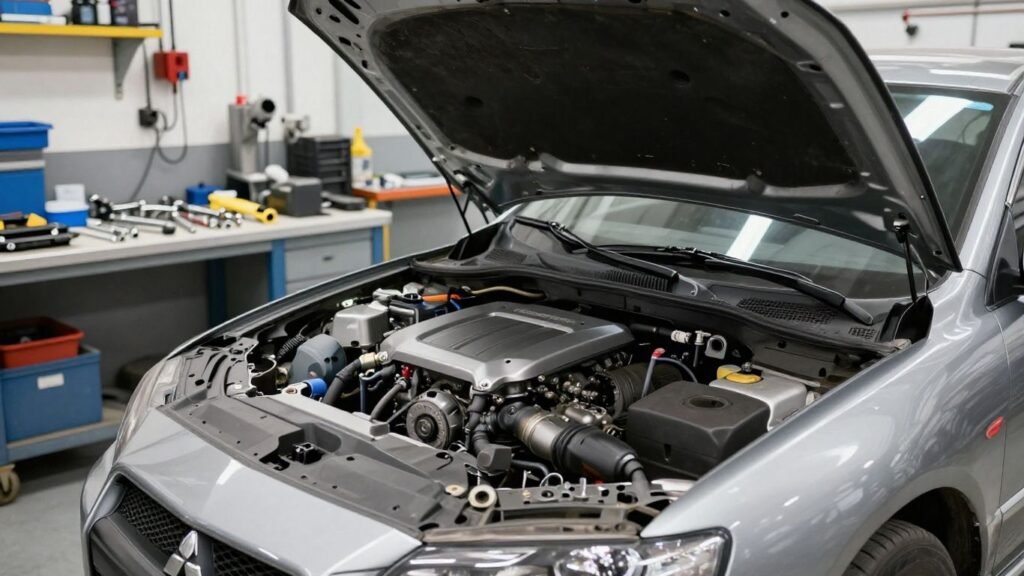
Key Takeaways Navigating the world of local auto dismantling requires understanding how to source quality parts and manage vehicle disposal efficiently. These points summarize the essential considerations for every Mitsubishi owner in the region. Mitsubishi wreckers Canberra provides an essential service for recycling vehicles. Experts often use VIN-based lookups to ensure correct parts matching. Buying second-hand components significantly reduces your overall repair costs. Sustainable practices in dismantling extend the life of automotive materials. Always verify business credentials for safe and legal parts procurement. Understanding how Mitsubishi wreckers work in Canberra When you engage with a local dismantling center, you are participating in a structured cycle of automotive lifecycle management. These businesses focus on salvaging usable components to extend the utility of older cars, ensuring that resources are never wasted. By streamlining the recovery of functional parts, they help keep various models on the road for longer periods. The process of vehicle dismantling The dismantling process begins with the careful assessment of an incoming vehicle to determine which parts remain viable. Technicians systematically remove components such as alternators, headlights, and transmission systems, ensuring each piece is cataloged for inventory. Once stripped, the remaining frame is crushed and processed for metal recycling, completing the cycle. Benefits of choosing professional wreckers Professional wreckers offer much more than just a place to find odd spares; they provide specialized knowledge that can save you significant time. Because they concentrate their efforts on specific marques, they are often better equipped to identify subtle differences between configurations. This specialization means you receive accurate, reliable advice that avoids the frustration of purchasing incompatible hardware. Environmental impact of car recycling Recycling centers play a crucial role in modern sustainable practices by preventing toxic fluids and heavy metals from entering local landfills. By recovering complex components like battery packs and catalytic converters, they significantly reduce the carbon footprint associated with manufacturing new aftermarket parts. This responsible disposal is a necessary component of keeping Canberra’s environment healthy and balanced. Difference between wreckers and salvage yards While terms are often used interchangeably, there is a distinct difference in operational scope. A traditional salvage yard may take in any make or model indiscriminately, while a specialized wrecker often maintains deep inventory expertise for one manufacturer. This focus allows them to provide a higher standard of quality control and specialized support for their specific customer base. Benefits of buying used Mitsubishi parts Choosing recycled parts often serves as the most practical solution for maintaining a vehicle without overextending your budget. It allows you to source components that have been tested and verified for performance in real-world conditions. Many Canberra owners find that this approach provides the best balance between affordability and lasting quality. Significant cost savings on repairs When you choose to source items from a wrecking yard, the primary advantage is finding high-quality components at a fraction of their new retail cost. Because these parts have already completed their initial depreciation, they offer exceptional value for both routine maintenance and unexpected repairs. Relying on these sources makes vehicle ownership more affordable over the long haul. Availability of genuine OEM components Just Mitsubishi provides genuine OEM components that are perfectly suited for your specific vehicle requirements. Because these parts were originally manufactured to strict standards, they offer a level of fitment and reliability that third-party aftermarket alternatives often struggle to replicate. Locating these factory items helps maintain the original integrity of your car’s design. Sustainability and reducing automotive waste Every time you choose to buy a used part, you contribute to a circular economy that minimizes the need for energy-intensive manufacturing. By reusing functional assemblies like suspension struts or interior modules, you effectively extend the life cycle of the vehicle’s original carbon investment. This commitment to reuse is a practical way to support sustainable automotive habits while getting your car back to peak performance. Warranty options for second-hand parts Reputable local businesses often provide standardized warranty coverage to ensure that customers have peace of mind when purchasing recycled items. By verifying the condition and history of a part, sellers can offer limited guarantees that protect you against premature failure. Always ask about the specific terms of these warranties before finalizing your purchase to ensure you are protected. Choosing the right Mitsubishi wreckers in Canberra Finding a partner that understands your vehicle is essential for getting the right results throughout your repair journey. You need a business that manages its inventory with precision and keeps you informed about part availability. Taking a moment to research your options ensures you work with someone who prioritizes technical accuracy. Assessing reputation and local reviews Before settling on a specific wrecker, explore feedback from previous customers to gauge the level of service offered by the facility. A consistent track record of honest communication and clear pricing is a strong indicator of a trustworthy business. Look for mentions of staff expertise, as these interactions often reveal how much the business cares about helping you succeed in your repairs. Checking inventory for specific models It is wise to choose a facility that demonstrably keeps varied stocks if you own an older or unique model. You can often inquire about their current stock by identifying your vehicle’s specific series or production year. This ensures that you don’t waste time driving to a location that cannot fulfill your specific requirements. Evaluating the professional dismantling process Observe how neatly the business manages its working environment, as this typically dictates how they value the parts they sell. A organized dismantling process means fewer chances for cross-contamination or mechanical damage during the extraction of complex parts. Well-managed shops usually provide higher-quality components because they value the preservation of every salvageable item. Verifying storage conditions and quality control Indoor storage of sensitive electrical modules and interior trim elements helps maintain their structural condition over time. By shielding parts from moisture, extreme heat, and direct sunlight, professional wrecking centers prevent unnecessary degradation. Choosing a provider that demonstrates these storage standards guarantees that you receive components ready for